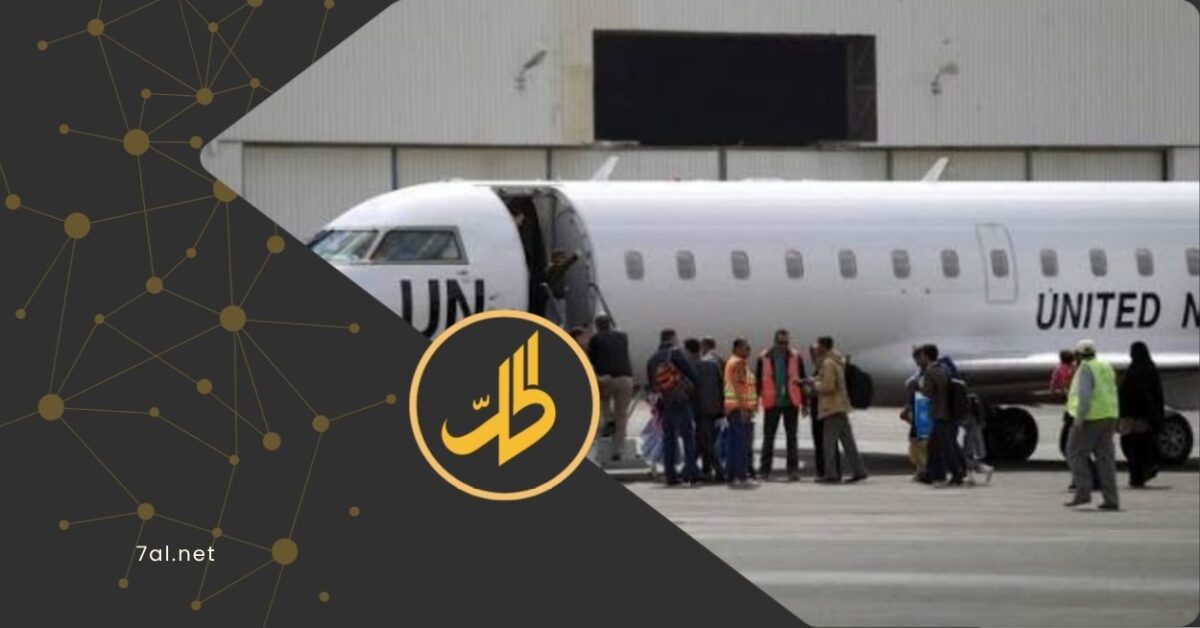
Sanaa International Airport witnessed unusual activity on Thursday, marked by the arrival from abroad of a number of members of the Houthi group, including leaders, while a United Nations plane departed carrying a Russian sailor who had been held by the group for more than a year, along with a number of its members.
According to multiple sources, a United Nations aircraft transported a group of Iran-aligned Houthis to Sanaa, including wounded members who had been receiving treatment abroad after injuries sustained in previous airstrikes.
Return of Houthi leaders
The flight included field commanders who returned to areas under the control of the Iran-aligned Houthi group after completing treatment.
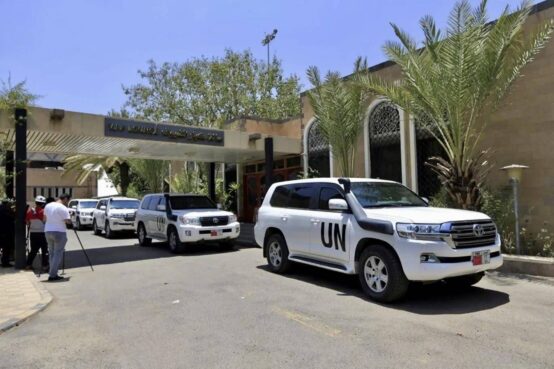
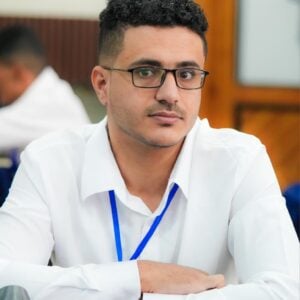
According to journalist Fares al-Himyari, the UN flight that arrived at Sanaa airport was carrying a number of figures linked to the Houthi group, including Ammar, the son of Supreme Political Council member Mohammed Ali al-Houthi, in addition to Mohammed Ayash Quhaim, the transport minister in the group’s government in Sanaa, accompanied by a number of his family members.
Al-Himyari also noted that the list of returnees included two sons of the well-known arms dealer loyal to the Houthis, Fares Manaa, along with eight members of the group’s leadership from the al-Mutahhar, Sharaf al-Din, and al-Sharafi families.
By contrast, the same plane departed shortly afterward carrying a Russian sailor whom the Houthi group said had been detained over his presence aboard the ship Eternity C, which was flying the Liberian flag and heading to an Israeli port in July 2025, along with a number of Houthis, including leaders and patients.
The foreign ministry in the group’s unrecognized government in Sanaa said the release of the Russian sailor came after “the completion of his treatment,” and as part of arrangements made in coordination with the United Nations, and “based on communication with the Russian side, and with Iran,” indicating dimensions to the operation that go beyond its humanitarian framework.
It added that the flight also included the return of a number of stranded people and patients from abroad, and the departure of others from inside the country, without providing details on their numbers or the nature of their conditions.
Dual movements
This operation does not appear to be merely an ordinary humanitarian flight. The return of leaders from a terrorist group, alongside the departure of other leaders and a foreign detainee, raises questions about what is taking place behind the scenes.

The timing of these movements suggests joint arrangements between the Houthis and the United Nations, after UN aircraft became the militia’s last refuge amid its aerial siege.
The release of the Russian sailor, and its linkage to contacts with Moscow and Tehran, indicates that the Houthi group is still managing some of its external affairs through indirect channels, benefiting from its position as a de facto authority.
UN role and limits of influence
The United Nations’ role in this operation was limited to logistics, by securing the flight and coordinating transport, but at the same time it raises growing criticism regarding the nature and limits of this involvement.
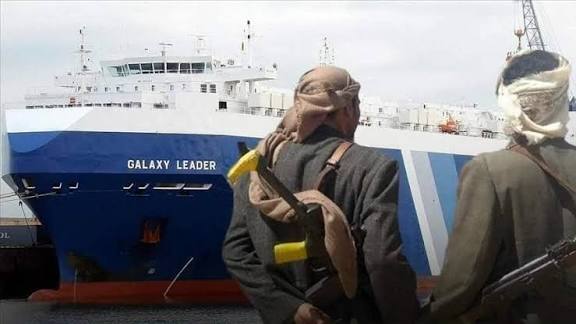
The UN faces accusations from Yemeni circles that it has come to operate within constraints imposed by the Houthi group, especially with regard to managing flights to and from Sanaa airport.
Between the return of senior Houthi leaders and the departure of detainees, Sanaa airport appears to be a final outlet for the militia’s movements, now under UN auspices.
- How the Houthis Are Choking Yemen’s Peace Efforts with a Broad Escalation on the Ground
- Economy in the Wind: How Yemenis Are Paying the Price of Disrupted Shipping Routes
- Houthi Summer Centers: Factories for Indoctrination and Raising a “Scream” Generation
- The “Coalition of Necessity”: What Costa Rica’s Terrorism Designation of the Houthis Signifies
- Mojtaba Khamenei Runs Iran from His Bed as Photos Vanish and the Supreme Leader Makes a “Voice-Only” Appearance