
The Joint Forces announced the seizure of a smuggling vessel off the coast of al-Mudaraba and Ras al-Arah district in Lahj governorate, southern Yemen, carrying a shipment described as “suspicious” and originating from Iran.
Hazardous materials and unauthorized medicines
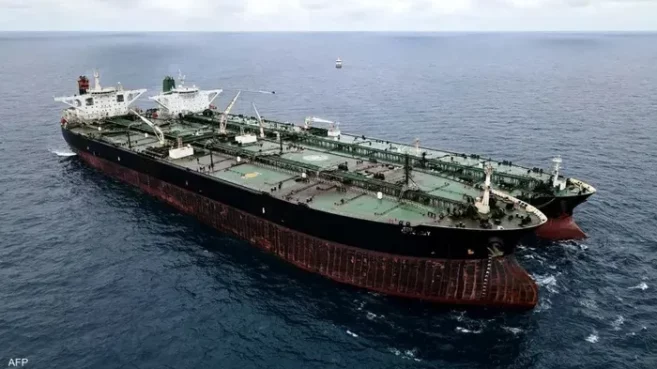
According to military sources, the naval force التابعة للفرقة الثانية عمالقة intercepted a launch more than 30 meters long, carrying ten Pakistani sailors. It was loaded with large quantities of unauthorized medicines, along with copper coils, in a shipment that at first glance appeared commercial in nature.
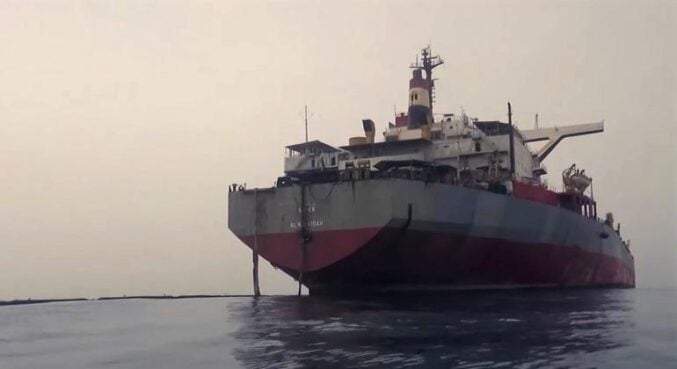
However, the nature of the seized materials, according to field sources, raised early suspicions, especially after information emerged indicating that part of the shipment had been disguised as foodstuffs in an attempt to conceal components suspected of being used for military purposes.
Initial information indicates that the vessel departed from Iran’s Bandar Abbas port on March 12 of this month and was heading to al-Salif port in al-Hudaydah governorate, which is under the control of the Houthi group. This is a shipping route that has recurred in previous seizures in recent weeks.
A security official involved in the operation said the interception came after “intelligence surveillance and close monitoring,” confirming that investigations with the vessel’s crew led to admissions about the source of the shipment and its destination, while the seized items were secured and an official investigation was opened in preparation for referring those involved to the judiciary.
Worrying indicators
The presence of copper coils in the cargo, alongside unauthorized materials, reinforces the “dual-use” hypothesis, a term often associated with materials that can be used for civilian or military purposes.
In this context, circulating video clips from the seizure site showed materials packaged to resemble food products, similar to “pasta” in appearance and packaging. However, military sources confirmed that these materials, according to the initial examination, are suspected to be chemical substances used in the manufacture of highly flammable materials, or to be hazardous in nature.
Even so, informed sources indicate that technical verification is still ongoing to determine the precise composition of these materials, placing these findings among indicators that still require the completion of laboratory testing.
According to security sources, this is the third operation in less than twenty days in which similar shipments arriving from Iranian ports have been seized.
Observers believe that the repetition of the same maritime route, along with the varied nature of the shipments, indicates that smuggling networks rely on civilian cover to conceal sensitive materials amid a complex oversight environment.
A recurring pattern in smuggling
While some sources speak of “hazardous chemical materials” disguised through advanced methods, these accounts remain contingent on the results of the final tests.
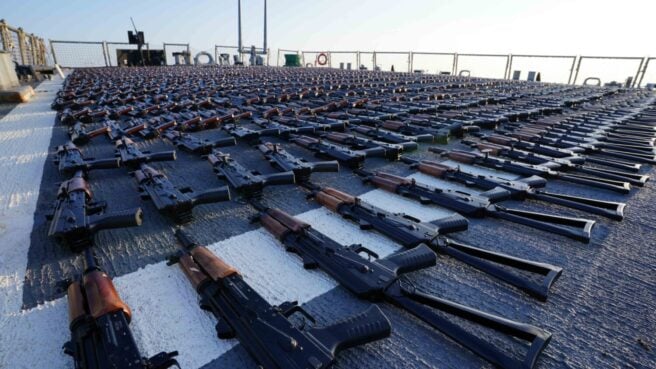
But what is certain is that this operation reveals an advanced level of organization in smuggling networks, and an ability to change methods and cover mechanisms in ways that make early detection more difficult.
- How the Houthis Are Choking Yemen’s Peace Efforts with a Broad Escalation on the Ground
- Economy in the Wind: How Yemenis Are Paying the Price of Disrupted Shipping Routes
- Houthi Summer Centers: Factories for Indoctrination and Raising a “Scream” Generation
- The “Coalition of Necessity”: What Costa Rica’s Terrorism Designation of the Houthis Signifies
- Mojtaba Khamenei Runs Iran from His Bed as Photos Vanish and the Supreme Leader Makes a “Voice-Only” Appearance