
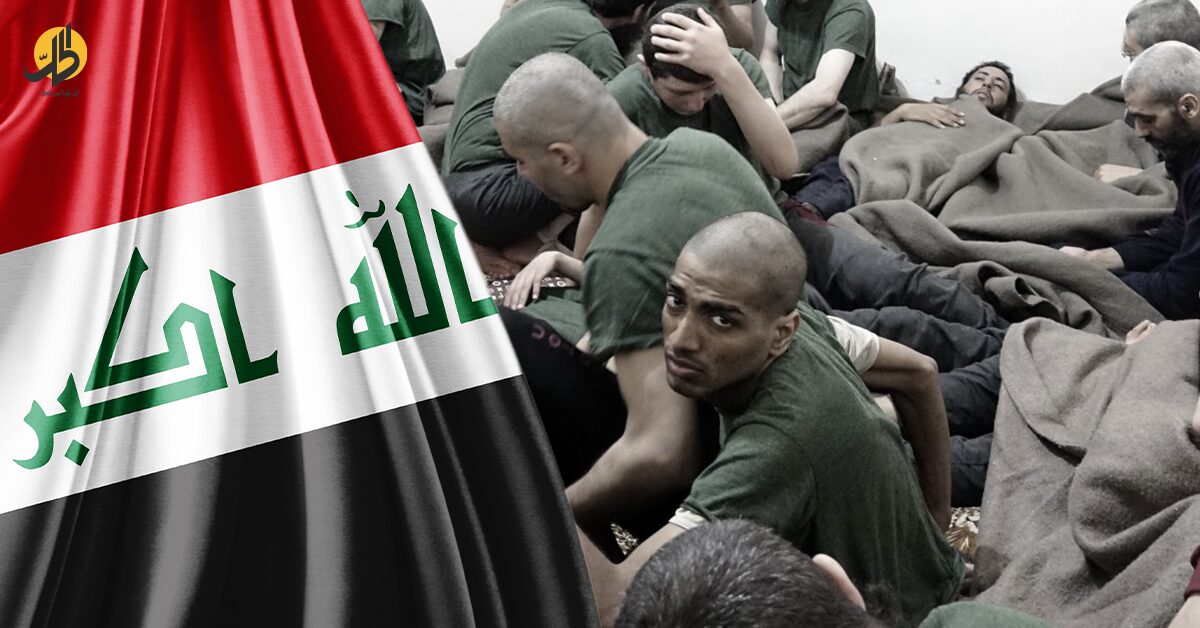
In a step with intertwined security and political dimensions, the US Central Command (CENTCOM) announced the start of an operation to transfer ISIS detainees from northeastern Syria to Iraq, saying the goal is to “ensure they remain in safe detention centers,” amid the deteriorating security situation in the region.
Several prisons holding thousands of ISIS fighters are spread across northeastern Syria, most of them detained in al-Hasakah province, with the Syrian Democratic Forces (SDF) overseeing their security.
ISIS: A Transfer Amid Chaos
The military escalation and ongoing clashes between government forces and the SDF have created dangerous gaps in the security system, especially in the prisons and camps housing the group’s fighters and their families.
The loss of SDF control over al-Hol camp and al-Shaddadi prison following attacks launched by government forces led to the escape of a number of the group’s detainees, in a scene that revived memories of security-collapse scenarios previously warned about by the SDF and international organizations.
The US Central Command said in a statement published on its official X account that it had successfully transferred 150 ISIS fighters from a detention center in al-Hasakah to a secure location inside Iraq, noting that the total number expected to be transferred could reach around 7,000 detainees.
The commander of US Central Command, Admiral Brad Cooper, said that “the orderly and secure transfer of ISIS detainees is necessary to prevent any escapes that could pose a direct threat to regional security and the United States.”
Later, CENTCOM announced that Cooper discussed the ongoing tensions in Syria with Syria’s transitional president Ahmed al-Sharaa, stressing the importance of government forces adhering to the ceasefire with the SDF and supporting the coordinated transfer of the group’s detainees to Iraq.
Military Analysis: Where Did the Rest Go?
Commenting on this, researcher Walid Jouli of the Euphrates Center for Studies in Qamishli believes the announced figure raises troubling questions. He explained that the number of ISIS detainees in northern and eastern Syria was close to 10,000, meaning that around 3,000 fighters are not included in the transfer operation.
According to Jouli’s remarks to al-Hal Net, it is likely that these are classified as Syrian fighters and therefore are not covered by the agreement, or that they escaped during the recent attacks, especially from al-Shaddadi prison.
The political researcher adds that “some of them may find in the Syrian transitional government forces a supportive environment, whether in terms of military structure or ideological overlap, even if the declared objectives differ.”
The Deferred Time Bomb of ISIS Children
The danger is not limited to the fighters. Field studies conducted by the Euphrates Center for Studies in 2022 indicate the presence of around 30,000 children from ISIS families, most of them in al-Hol camp. Only a limited portion underwent “rehabilitation” programs, while the majority remained inside a closed environment, subjected to systematic ideological and military indoctrination, amid UN criticism of the international community’s failure to find fundamental solutions.
Jouli believes that “thousands of children who left the camps have become psychologically and ideologically prepared to carry weapons in the future, which portends the reproduction of extremism rather than its containment.”
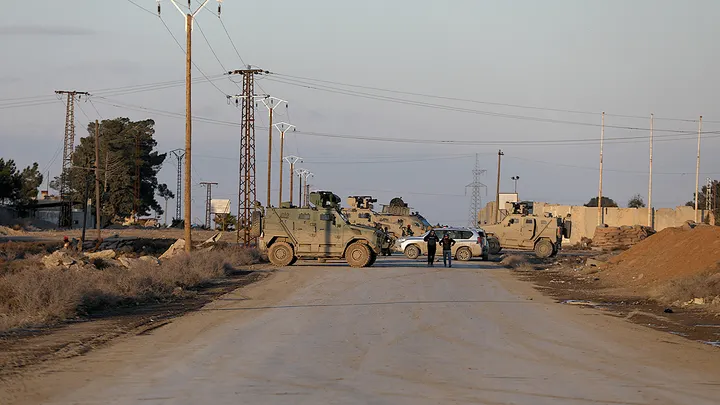
Politically, the operation carries a message directed first and foremost at the American domestic audience. With criticism mounting inside the United States and Europe over the fate of ISIS detainees, the US administration is seeking to say that “the file is closed” by transferring them to Iraq, according to Jouli.
Jouli notes that this message does not mean the problem has been solved so much as it reflects the management of a deferred crisis, within broader calculations tied to regional balances, particularly in confronting Iran and its allies.
According to observers, Washington’s transfer of ISIS detainees from Syria to Iraq strengthens Iraq’s role as a reliable partner, unlike the wavering trust in the Syrian transitional government, especially on this issue, particularly given its jihadist background. This allows the United States to maintain indirect security oversight over dangerous elements while at the same time limiting any potential influence by the forces of the Syrian transitional government or the auxiliary forces aligned with them over these detainees.
- How the Houthis Are Choking Yemen’s Peace Efforts with a Broad Escalation on the Ground
- Economy in the Wind: How Yemenis Are Paying the Price of Disrupted Shipping Routes
- Houthi Summer Centers: Factories for Indoctrination and Raising a “Scream” Generation
- The “Coalition of Necessity”: What Costa Rica’s Terrorism Designation of the Houthis Signifies
- Mojtaba Khamenei Runs Iran from His Bed as Photos Vanish and the Supreme Leader Makes a “Voice-Only” Appearance