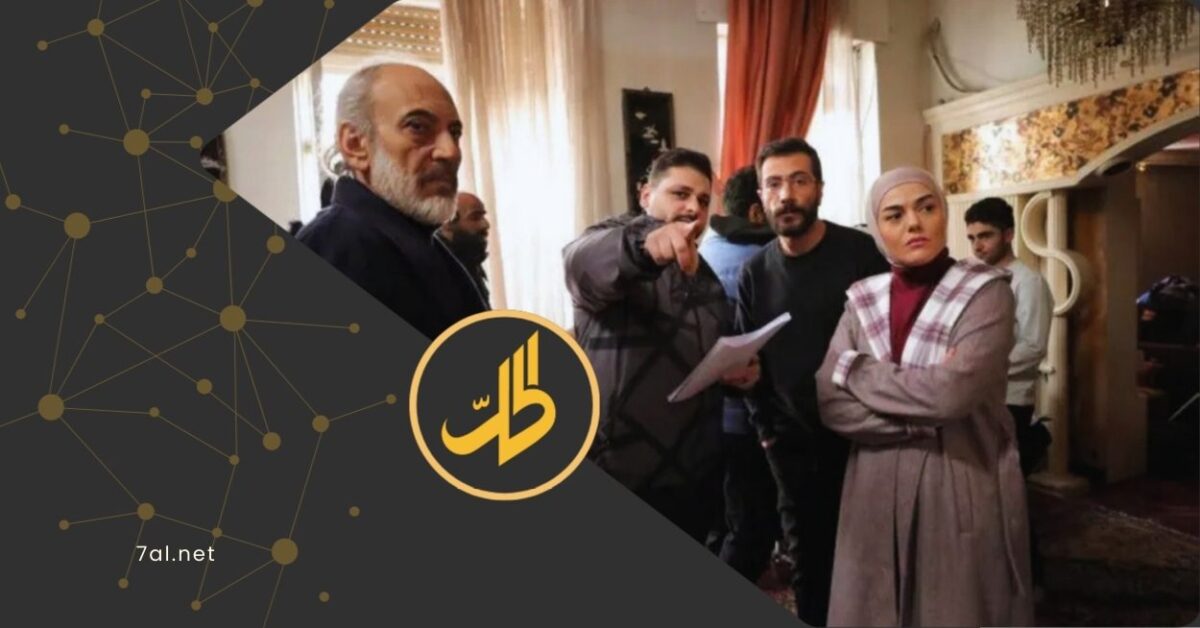
With the start of the Ramadan drama series season, this year has brought productions tackling the Syrian revolution and the abuses of the former regime, in an explicit attempt to “convey the truth as it is.” However, this approach did not pass quietly, as it quickly sparked a broad wave of criticism on social media, led by viewers over the timing of the broadcast, the names involved, and the nature of the dramatic treatment.
This comes at a time when major files in Syria, such as those of detainees and the missing, have not been resolved, and no clear path toward transitional justice has been opened, leading many to feel that the screen has preceded accountability and leapt over wounds that are still bleeding.
Unforgettable Shifts
Among the names that stirred controversy was Hassan Zayyoud, who had written the lyrics to a song praising the Syrian army (affiliated with the Assad regime) during the war years, before later appearing in a different context after the regime’s fall, taking part in works with a new “national” character.
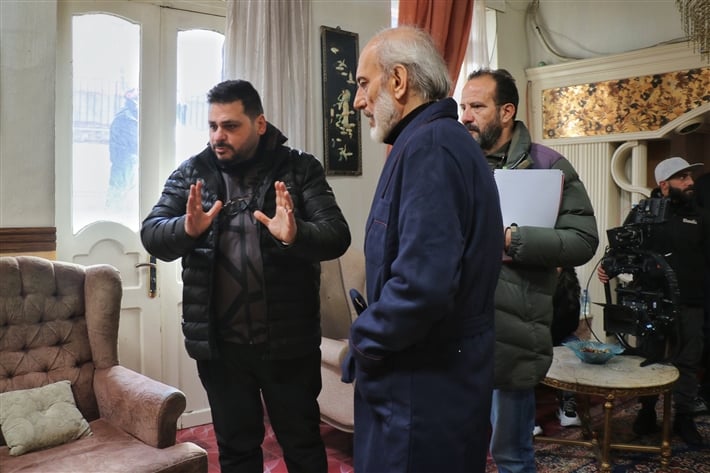
This rapid shift made him the target of criticism, especially with his participation in productions about the revolution or the victims of abuses.
The problem isn’t that someone changes their position. The problem is that people were buried and people’s lives were shattered. We can’t deal with this as if it were just an artistic rebranding.
Yazan Khaddour, father of a disappeared detainee from the Damascus countryside
He added in remarks to “Al-Hal Net” that “when I see the name of someone who used to glorify the same institution that took my son, and then find him participating in a work about the revolution, it is only natural that I feel provoked. There is such a thing as memory.”
On the other hand, Rami al-Lahham, a former detainee in Saydnaya, said in remarks to “Al-Hal Net”: “If this is how you want to achieve civil peace, then you are building it on denial. Peace does not come from erasing the details; it comes from acknowledging them.”
“Our Stories Are Not Suspense Scenes”
Samar al-Masri, the sister of a former detainee, says that watching some episodes was shocking for her, not because of the scenes themselves, but because she felt the pain was being repackaged in a commercial way.
She added in remarks to “Al-Hal Net”: “We still do not know the fate of many of our brothers. How can they turn detainees’ stories into material for broadcast, as if it were a dramatic plot?”
For his part, Hossam al-Khatib, a former detainee, said: “Our stories are not material to be put on display in this way, especially when there are actors who used to work with the former regime and support it, and now come to play the victim. This is not a matter of simply switching roles on stage.”
Controversy and Calls to Stop It
Tensions escalated after the first episodes of the series Caesar aired, following a scene that included an insult directed at Abdel Baset al-Sarout, who is regarded as a symbol by a broad segment of Syrians. The wave of anger that followed prompted calls from Syrians to halt the series.
By contrast, observers pointed out that some productions did not hesitate to insult symbols of the revolution, while they did not include direct insults or criticism of the same sharpness toward former official figures or entities, considering that “dramatic justice” appeared skewed.
Bad Timing
Human rights activist Dima al-Ali believes that the problem is not only related to the content, but also to the timing.
She says that “airing productions about abuses before transitional justice is achieved sends the wrong message, as though we are turning the page artistically before it has been opened judicially.”
She adds that “the wounds are still open, and the families of the victims have received neither truth nor accountability. Turning the tragedy into Ramadan material now seems like unjustified haste.”
Amid this controversy, Ramadan drama this year appears to be an open arena of confrontation with Syrian memory, between those who see these productions as a necessary step to break the silence and those who consider them a leap over the truth, amid clear neglect by the new authority in establishing a path toward transitional justice.
- How the Houthis Are Choking Yemen’s Peace Efforts with a Broad Escalation on the Ground
- Economy in the Wind: How Yemenis Are Paying the Price of Disrupted Shipping Routes
- Houthi Summer Centers: Factories for Indoctrination and Raising a “Scream” Generation
- The “Coalition of Necessity”: What Costa Rica’s Terrorism Designation of the Houthis Signifies
- Mojtaba Khamenei Runs Iran from His Bed as Photos Vanish and the Supreme Leader Makes a “Voice-Only” Appearance