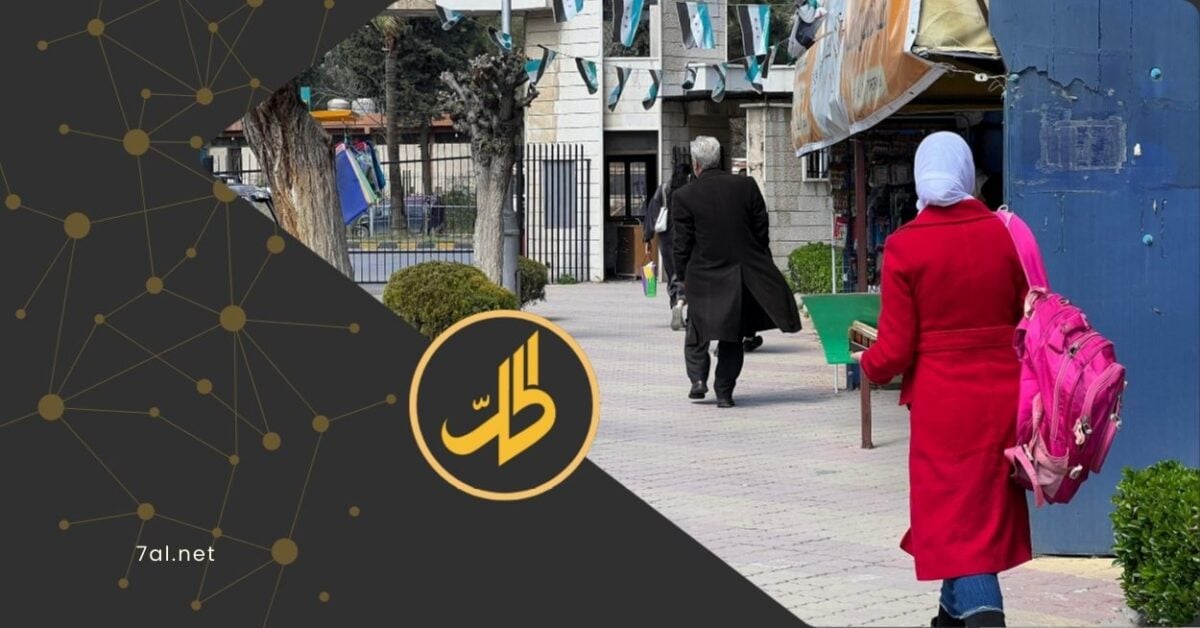
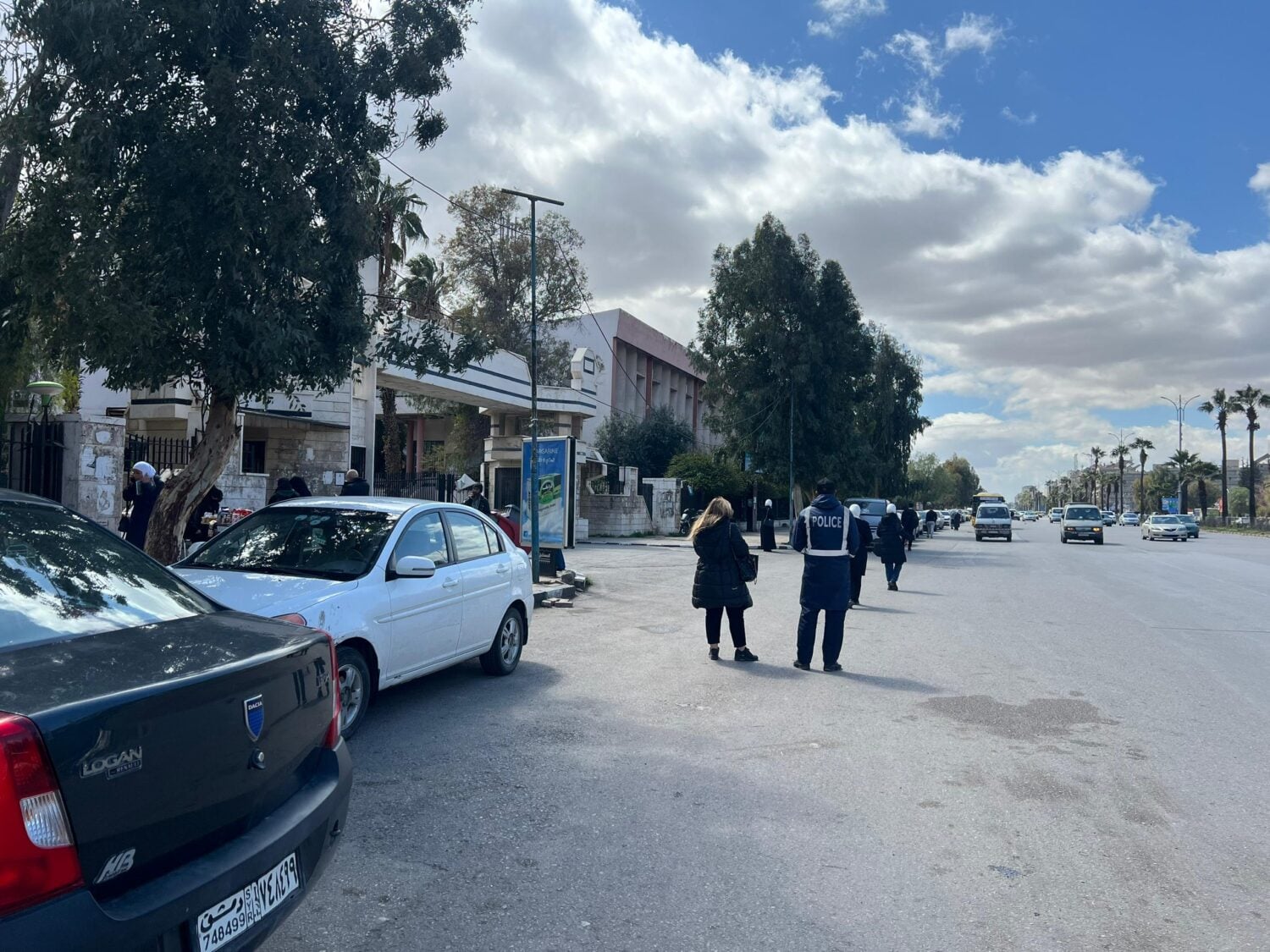
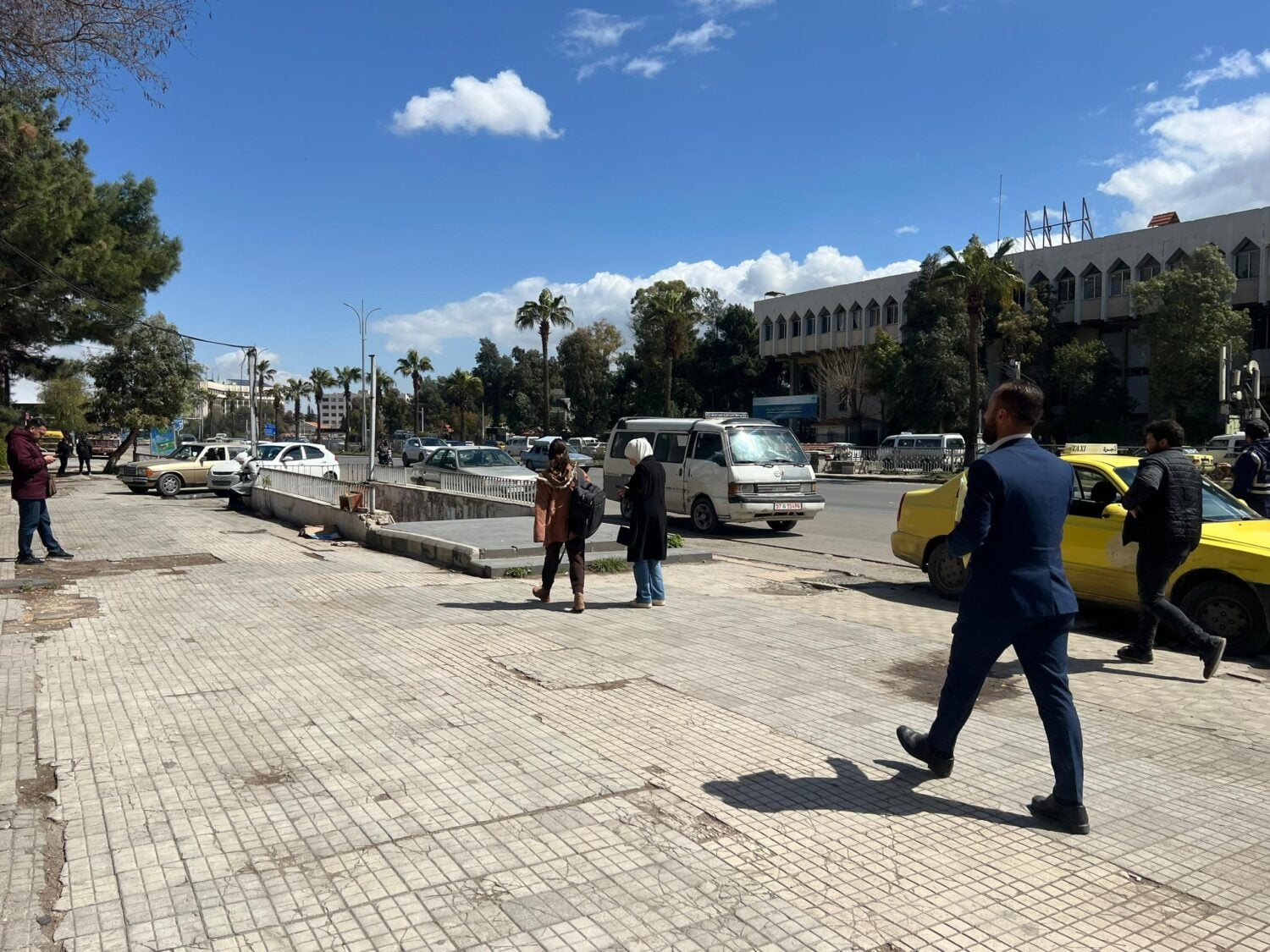
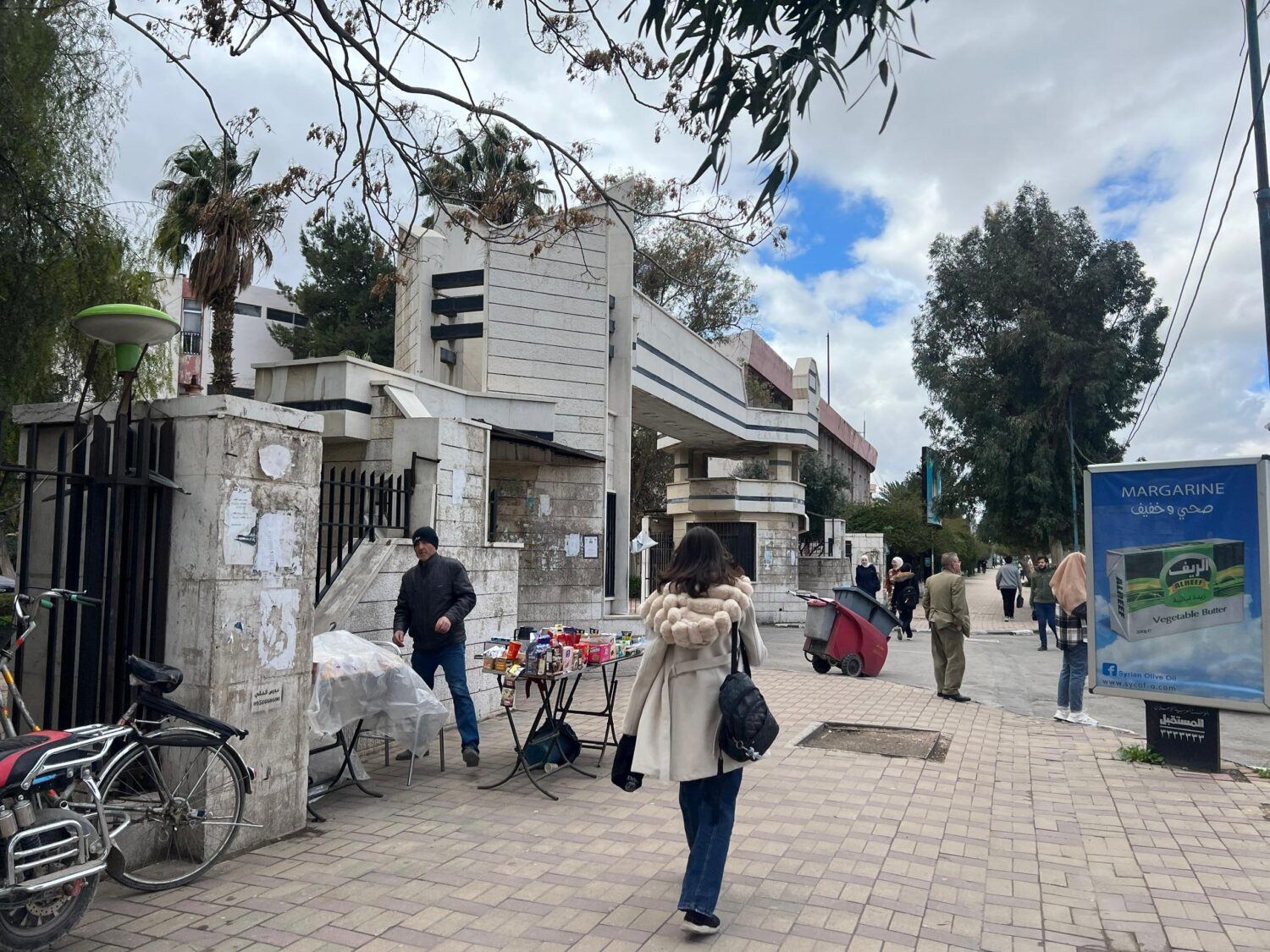
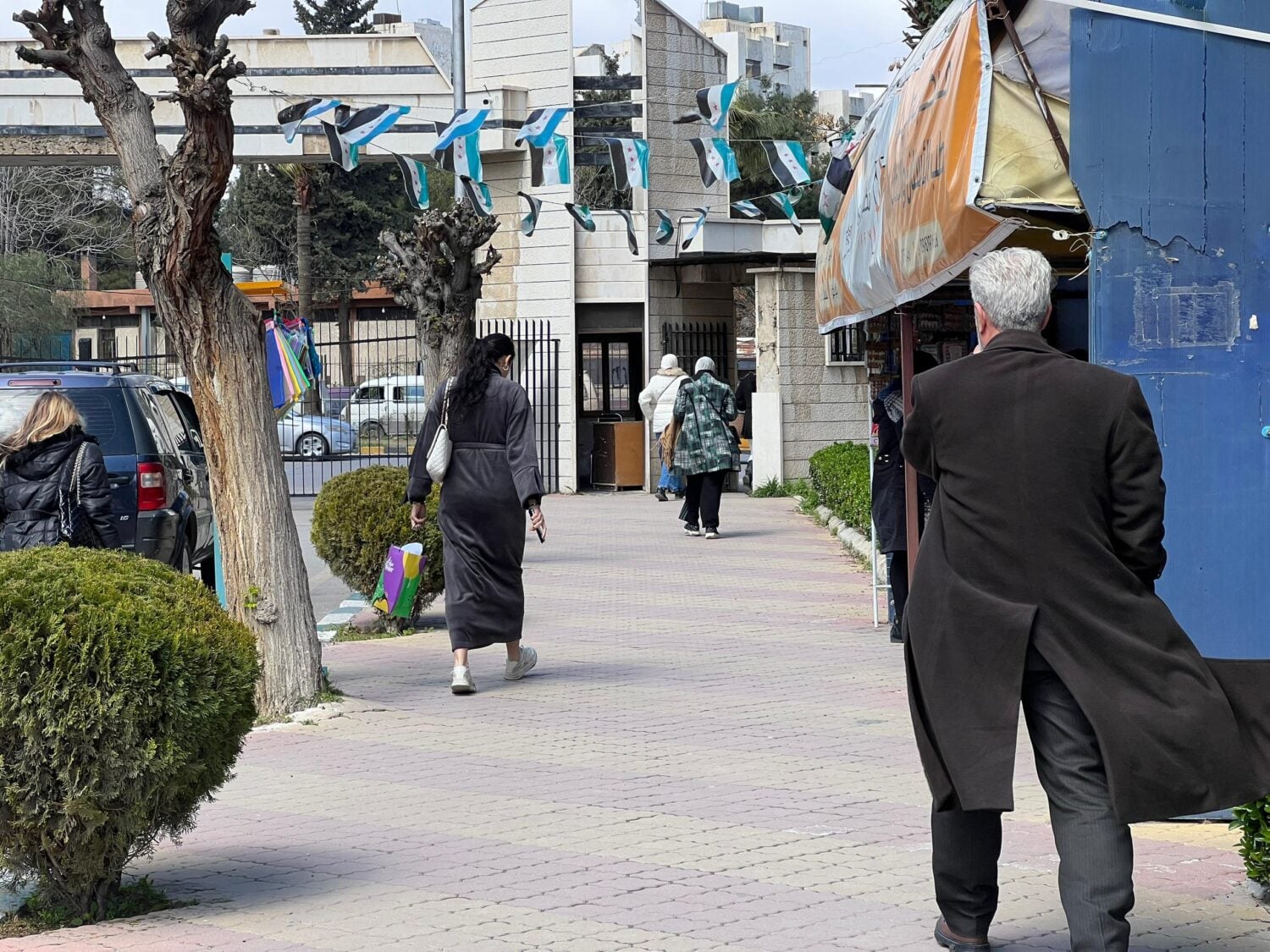
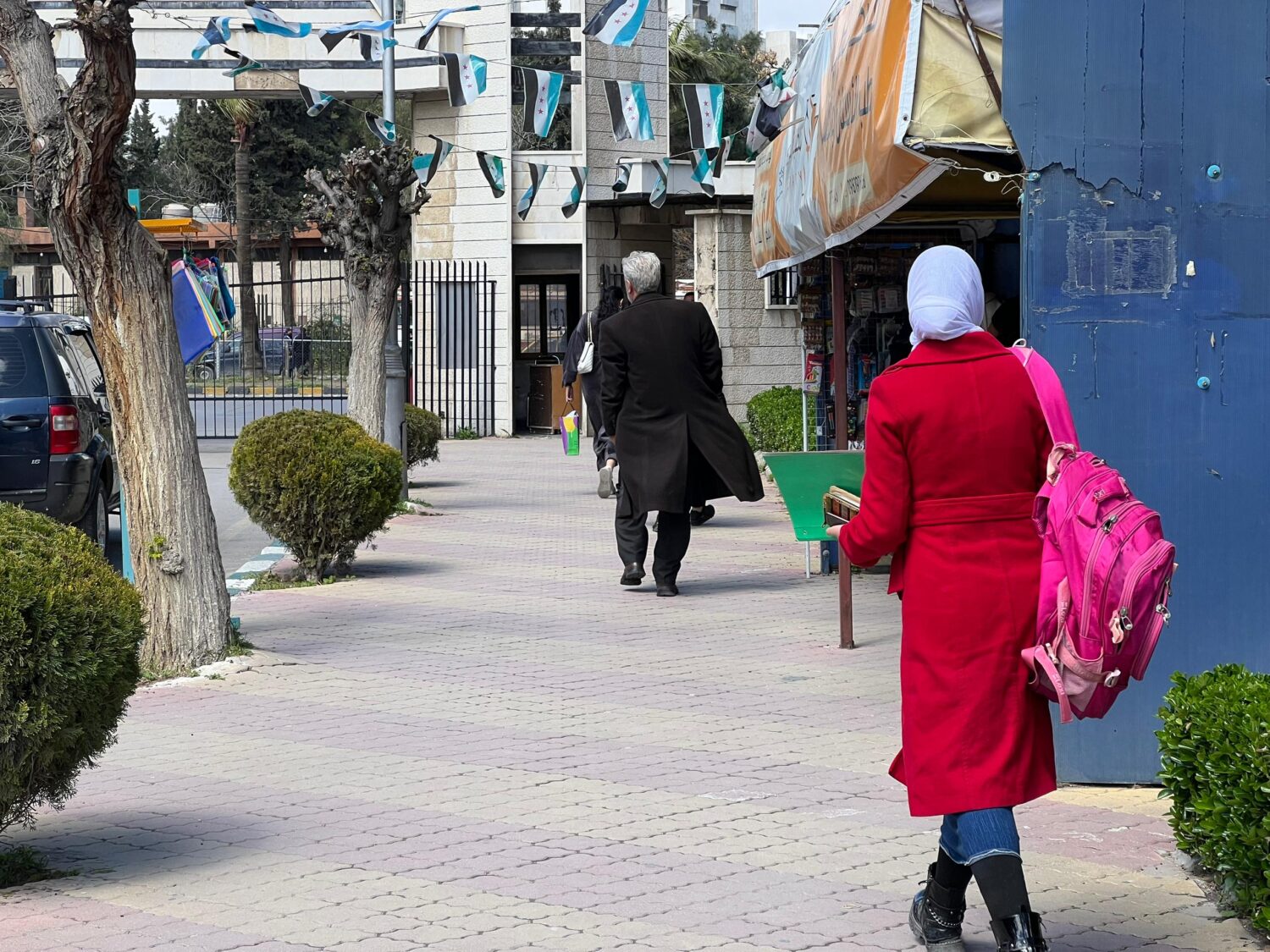
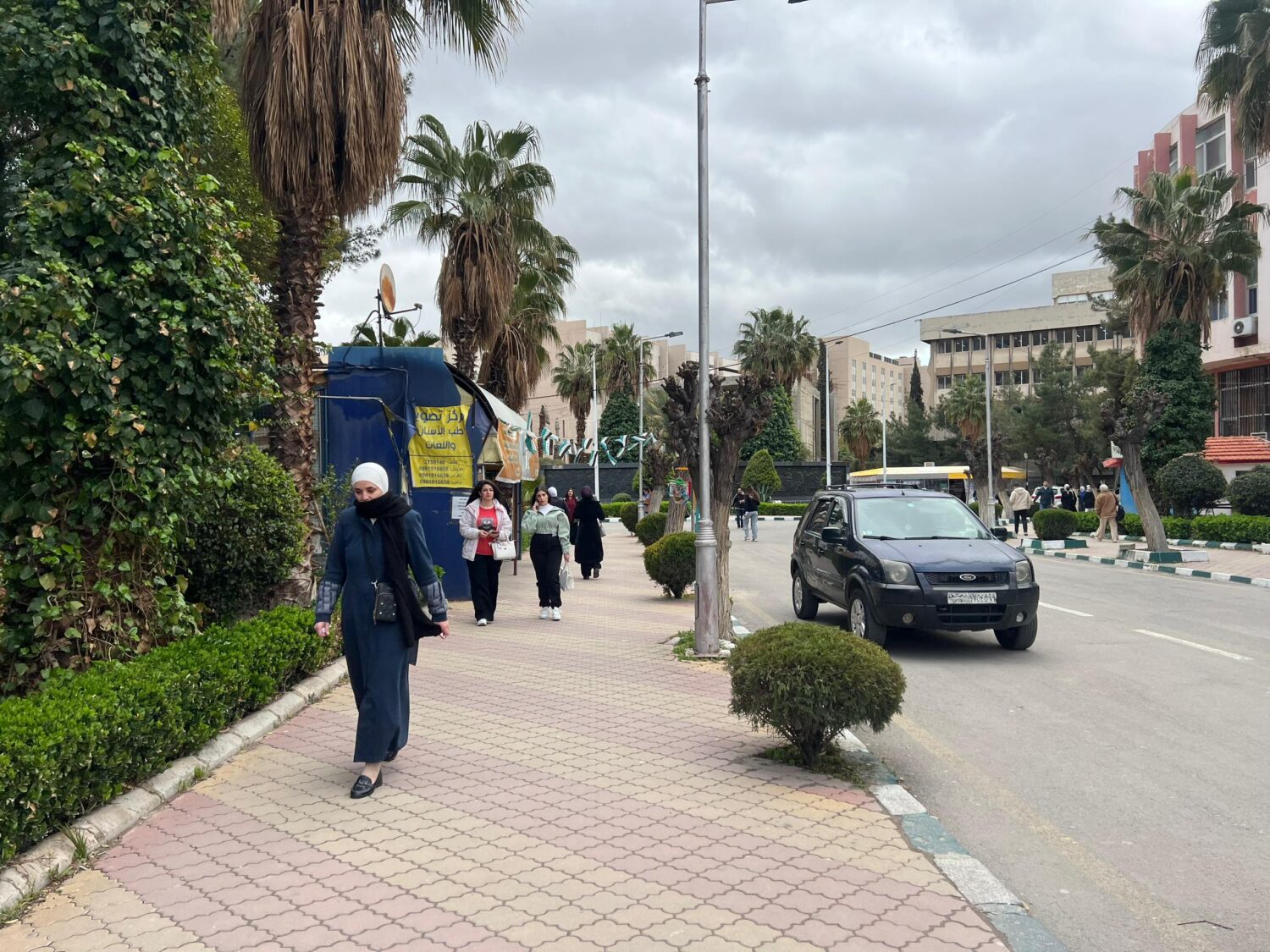
Although university education in Syria is considered free at public universities, students’ living conditions reveal growing financial challenges throughout the years of study. Costs are not limited to university fees, but also include housing, transportation, books, and daily necessities, amid the country’s difficult economic conditions.
These challenges come amid a continued rise in living costs and a decline in families’ purchasing power, making university education for many students a journey filled with financial pressure.
Studying and Working at the Same Time
For a large number of students, studying alone is no longer enough, as some are forced to work alongside their studies to cover part of their daily expenses.
“I study at university and work evenings at a restaurant, and I get home late so I can cover my expenses. Honestly, it’s exhausting. Sometimes I have lectures in the morning after staying up late because of work.”
Kareem al-Hassan – Student at the Faculty of Pharmacy, Damascus
Kareem told Al-Hal Net that his monthly expenses are no less than 1.5 million to 2 million Syrian pounds ($130 to $170).
“Transportation alone can reach 300,000 pounds a month, aside from food, study notes, and printing lecture materials. Work helps a little, but it also affects my studies,” Kareem says.
Housing Is an Additional Burden
For students coming from other governorates, housing is one of the biggest challenges they face during their years of study.
“I’m from Hama and I study in Damascus, and I couldn’t get university housing, so I had to rent a place with three other female students.”
Nour al-Abdullah – Student at the Faculty of Arts
Nour told Al-Hal Net: “The room rent is about 1.2 million Syrian pounds, which we split between four girls, aside from food, electricity, and transportation expenses. In the end, my monthly expenses can reach around 1.5 million.”
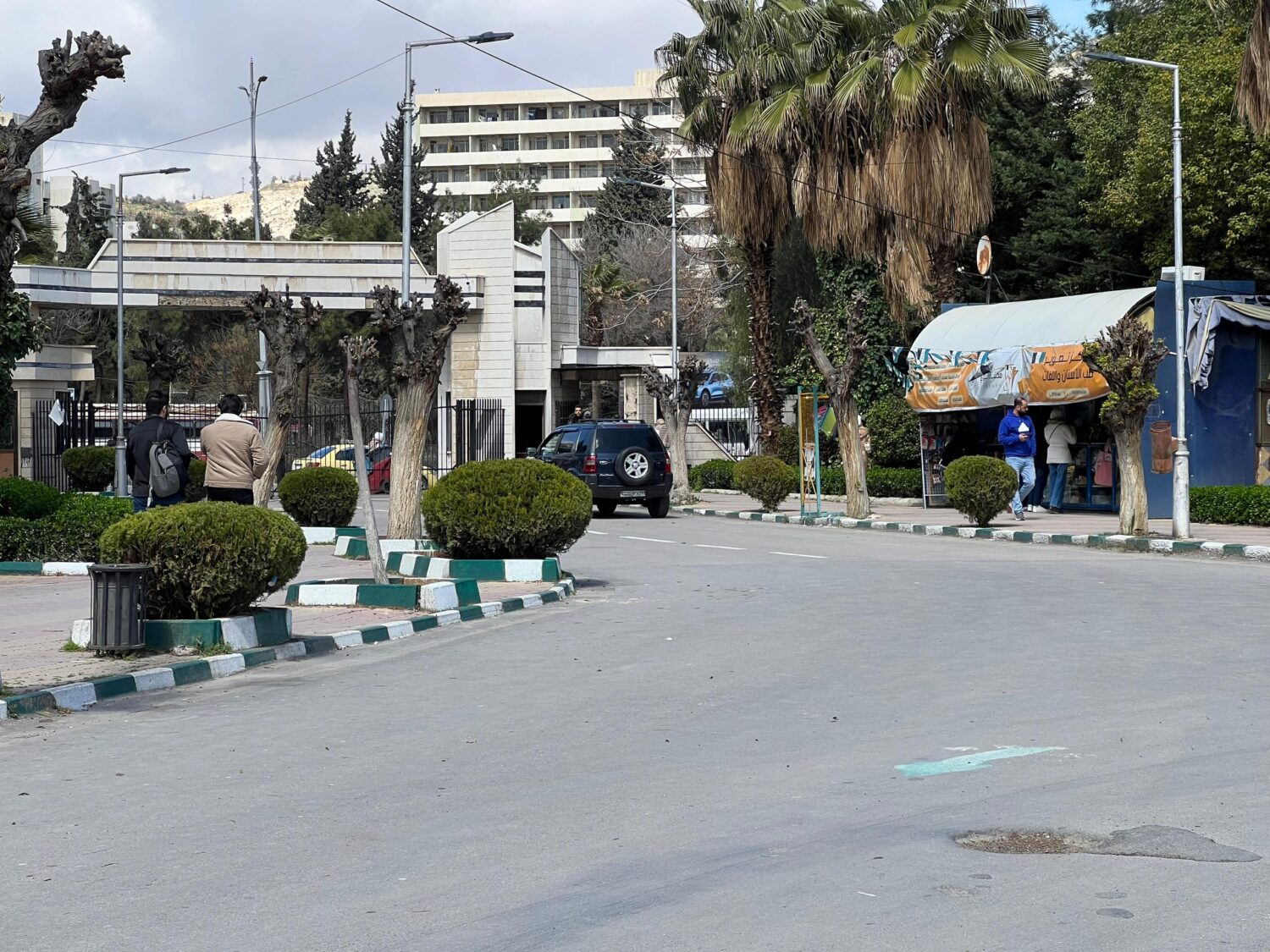
Nour points out that her family tries to support her as much as possible, but the difficult economic conditions often make that very hard.
One student shared his view with us on the impact of economic conditions on his academic performance: “Before, we used to fail just to postpone military service. Now the situation is completely different. We’re failing because we can’t keep up with our studies, and everything is economically difficult. This isn’t an excuse, but honestly the situation has become beyond our capacity, and studying has come to be seen as a luxury in this country.”
Milad al-Ali – Student at the Faculty of Media
Daily Expenses That Cannot Be Avoided
Alongside housing and work, students face daily expenses that may seem small but build up over time, such as transportation, printing lecture materials, and buying books or study notes.
“Almost every subject has study notes that need to be printed, and sometimes students have no choice but to buy them.”
Rami Khalil – Student at the Faculty of Civil Engineering
Rami told Al-Hal Net: “I live with my family, but my monthly expenses are roughly between 900,000 Syrian pounds and 1.5 million, including transportation, study notes, and food at the university.”
An Economic Reading of the Situation
The real gap appears to lie between the income level of Syrian families, in a country where an employee’s salary still ranges between 900,000 and 1 million Syrian pounds per month, and the needs of a university student. This means that a household breadwinner’s income for an entire month barely covers the expenses of a single student.
For his part, economic expert George Khazzam believes that free university education in Syria no longer necessarily means that studying comes without cost, as the real burden is now tied to the living expenses surrounding the student.
Khazzam told Al-Hal Net that under current conditions, a university student needs, on average, a monthly budget ranging between 1.5 million and 2 million Syrian pounds, while students coming from other governorates may need larger sums because of housing and living costs.
He adds that the main challenge lies not only in the numbers, but in the gap between these costs and the income level of most families, which forces students to work while studying and affects their academic performance.
Ongoing Living Challenges
Under these conditions, many students find themselves facing living challenges that go beyond study itself, as the demands of education overlap with the economic pressures the country is experiencing.
“Today, a student’s concern is not just passing the subject, but also figuring out how to cover their expenses for the rest of the month.”
Hiba Suleiman – Student at the Faculty of Science
Hiba told Al-Hal Net: “Every day there’s a new expense—transportation, food, or printing lecture materials—and sometimes a person tries to save on everything just to be able to continue their studies.”
Amid these challenges, university education remains available in principle. However, the expenses associated with university life, compared with the average income of Syrian families, make the road to a degree more difficult for many students trying to balance study with the demands of daily life.
- How the Houthis Are Choking Yemen’s Peace Efforts with a Broad Escalation on the Ground
- Economy in the Wind: How Yemenis Are Paying the Price of Disrupted Shipping Routes
- Houthi Summer Centers: Factories for Indoctrination and Raising a “Scream” Generation
- The “Coalition of Necessity”: What Costa Rica’s Terrorism Designation of the Houthis Signifies
- Mojtaba Khamenei Runs Iran from His Bed as Photos Vanish and the Supreme Leader Makes a “Voice-Only” Appearance