On May 13, Afghan girls marked 600 days since they were barred from դպրոց? No.
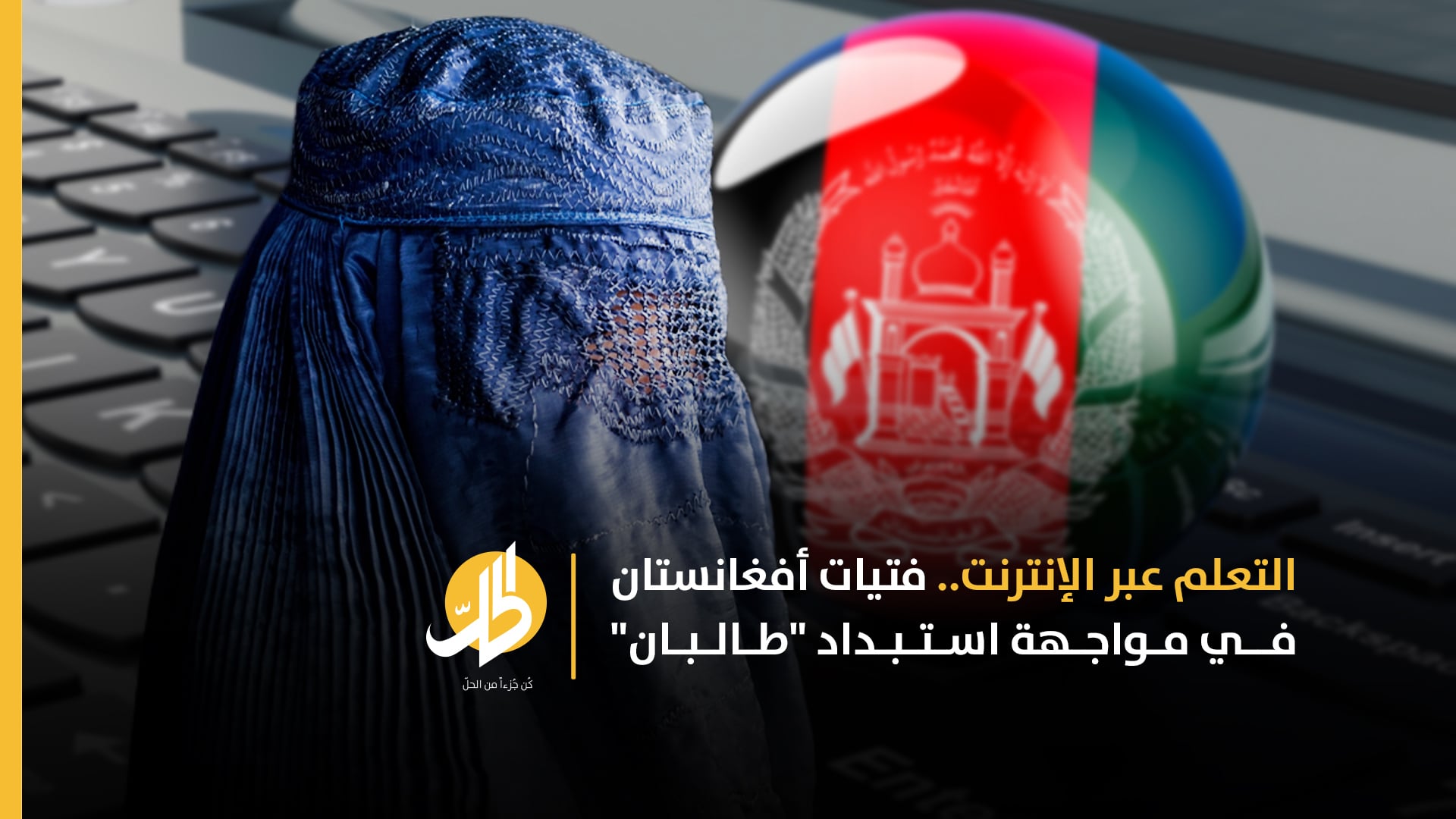
On May 13, Afghan girls marked 600 days since they were deprived of schooling; since then, the sound of their laughter and conversations in school corridors has been replaced by silence. The Taliban’s ban on girls’ schooling in Afghanistan has deprived millions of girls of their right to learn and kept them trapped in a cycle of poverty and despair. Today, they are denied the opportunity to learn and grow, and they face the risk of forced early marriage and violence. Banning girls’ education is not merely an assault on their basic rights; it is a tragedy for Afghanistan’s future. To overcome these obstacles and fears about the future, Afghan girls have turned to online learning despite its scarcity and the difficulty of accessing it.
On this issue, The Diplomat published a report featured and translated by Al-Hal Net. Although the closure of schools and universities to millions of Afghan girls has had a devastating impact on them, new hope has emerged in recent years through the rise of online learning and the availability of university opportunities and scholarships. Despite the meager resources allocated to Afghan girls, a small number of them have been able to access through the internet what they were denied.
“Roshni-e-Omid,” for example, is a program that provides online education to schoolgirls in Afghanistan. It has helped provide an opportunity to explore the challenges schoolgirls face while attending online classes in Afghanistan.
“Marwa,” an 11th-grade student in the “Roshni-e-Omid” program who receives her lessons online from Kandahar province, says her dreams were shattered as time passed and her school remained closed. But today she considers herself fortunate to have the chance to attend classes online. Marwa struggled to keep up with online courses and found navigating virtual classrooms complicated, yet her determination to face such hardships pushed her forward. Her story testifies to the strength and resilience of Afghan girls in the face of adversity, but only a small number of girls in Afghanistan have the opportunity, like her, to overcome such difficulties.
While online education has provided a vital lifeline for many Afghan girls deprived of access to traditional schools and universities, it is important to note the significant constraints they face. According to the report, online education requires access to reliable technology and internet connectivity, and Afghanistan ranks among the lowest in the world in providing this.
Moreover, online education exacerbates existing educational inequality, as students who lack access to reliable technology and internet connectivity cannot fully participate in classes. This worsening inequality stems from widespread poverty in Afghanistan, where per capita GDP fell from $516 in 2020 to $368 in 2021, and is likely even lower now, while the cost of a $7 internet data package is considered exorbitant for the majority of the population. High prices pose a major barrier to accessing online resources and educational opportunities for most Afghans.
Even for those who can access online education, the report indicates that there are difficulties in obtaining its full benefits. Afghanistan’s education system is highly traditional and does not include computer or information technology subjects. As a result, Afghan girls often lack digital literacy skills.
Only a limited number of organizations help Afghan girls access education, whether online or through other alternative educational opportunities. The international community has struggled to provide meaningful support to Afghan girls in the wake of school closures in Afghanistan. Despite ongoing efforts to engage in dialogue with the Taliban about reopening schools and the importance of girls’ education, schools have remained firmly closed to Afghan girls for nearly two years, and access to online educational resources and scholarships remains scant and extremely limited. This failure to provide the necessary support in Afghanistan reflects the urgent need to continue advocating for and supporting Afghan girls’ rights to education and equal opportunities.
In response to the education crisis in Afghanistan, the Twitter campaign bearing the hashtag #LetAfghanGirlsLearn has received broad support around the world. The campaign calls for reopening schools to girls and has served as a platform for individuals to express their solidarity with Afghan girls and their right to education. By drawing attention to the ongoing crisis in Afghanistan, the campaign underscores the urgent need to ensure girls’ immediate access to schools and universities. It is a powerful reminder that the struggle for girls’ education under Taliban rule in Afghanistan is not over yet.
The international community can play an important role in these efforts by supporting expanded access to digital tools and resources and by offering scholarships and financial aid to help girls continue their education during this difficult period. The Diplomat believes it is important to maintain an open dialogue with the Taliban to press for reopening schools to girls and to ensure that all of them can receive an education in the future, since equal access to education for all girls in Afghanistan can only be guaranteed through a comprehensive approach.