
In his first official remarks as the new leader of Iran’s regime, Mojtaba Khamenei issued an audio statement broadcast on state television—his first since assuming the post. It carried several messages, outlined the contours of the coming phase, and set new red lines in the ongoing conflict in the Middle East.
Between an explicit call to keep the Strait of Hormuz closed, pledges to avenge the blood of those killed, and a threat to activate fronts in which the enemy has no experience, it was clear that Tehran was choosing from the very first moment an escalatory approach that could reshape the rules of engagement in the region.
Revenge and closing the Strait of Hormuz
Mojtaba Khamenei said in a speech delivered Thursday evening that he learned of the decision appointing him leader of the Islamic Revolution through state television, thanking political and religious forces for their confidence before quickly moving to the core message he wanted to send to both domestic and foreign audiences.
The new leader added: “Iran will not refrain from avenging the blood of its slain… We will not hesitate to retaliate for the crimes committed by the enemy, especially the crime of the Minab school,” in reference to the Israeli bombardment that targeted a school on the outskirts of Damascus a few days ago and killed dozens.
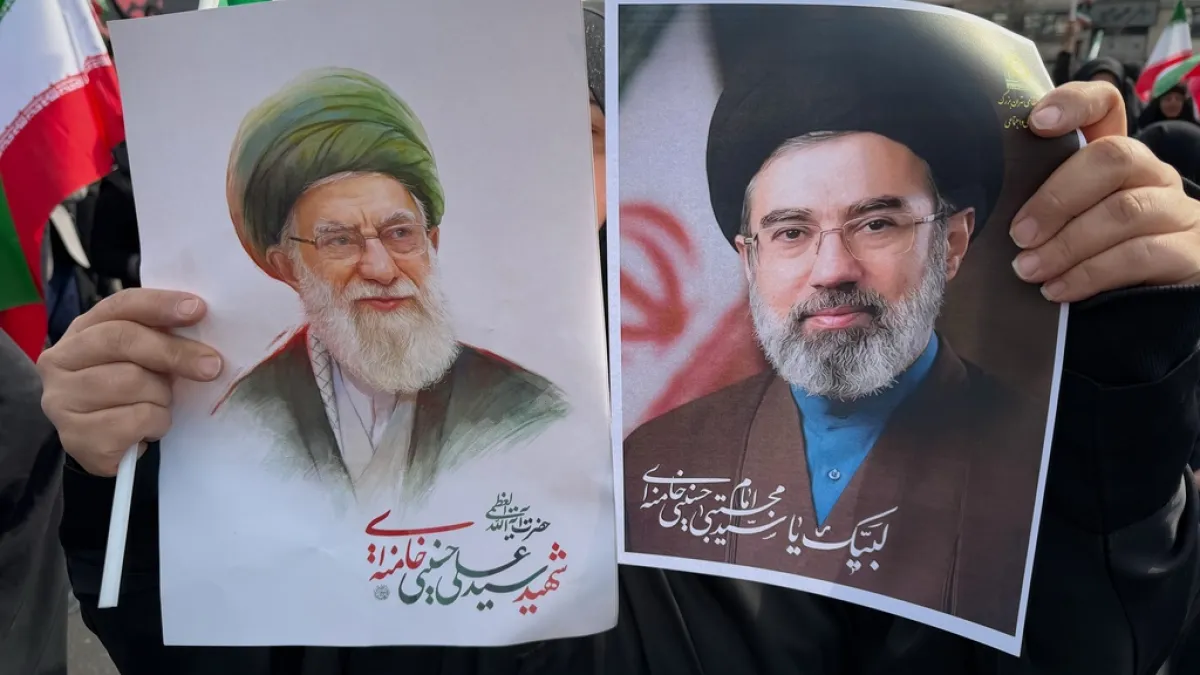
But the statement that caused the greatest international concern was the one related to the future of the Strait of Hormuz, the vital artery through which nearly a fifth of global oil supplies pass. Khamenei stressed the need to continue keeping the Strait of Hormuz closed as a tool to pressure the enemy, thereby turning the strategic waterway into a permanent lever in the conflict with the West and its allies.
He warned: “Action must be taken in all the enemies’ vulnerable arenas… If the wartime situation continues, fronts will be activated in which the enemy has no experience,” an implicit threat to open new battlefronts that could extend to American bases or Western interests in the region.
Contradictions in the rhetoric
What was striking in the first speech of Iran’s new supreme leader, however, was the apparent contradiction between the language of threat and intimidation and his emphasis on what he described as “friendship with neighbors.” He claimed that Tehran was ready “to establish cordial and sincere relations with all our neighbors,” at a time when Gulf oil tankers are being subjected to Iranian attacks and the Strait of Hormuz is being closed to exports coming from the Arab Gulf states.
Here, Iran appears to be trying to draw new boundaries for the conflict, as it wants to hold the American military presence in the region responsible for the tension, while seeking to preserve a form of normal relations with neighboring regional states.
Amid these statements, the Iranian Revolutionary Guard continues its military operations in the region. It announced responsibility for an attack targeting a Thai cargo ship in Gulf waters, claiming it had violated navigation orders. In addition, informed sources told Reuters that two fuel tankers in the port of Basra were attacked by explosive-laden boats believed to be Iranian, sparking massive fires and killing one crew member, in a dangerous development that signals a widening of the maritime confrontation.
An attempt to consolidate legitimacy
Commenting on this speech, the researcher specializing in political and strategic affairs, Firas Elias, believes that the first messages issued by Mojtaba Khamenei reflect a clear attempt to consolidate the legitimacy of the new leadership at an exceptionally complex regional moment.
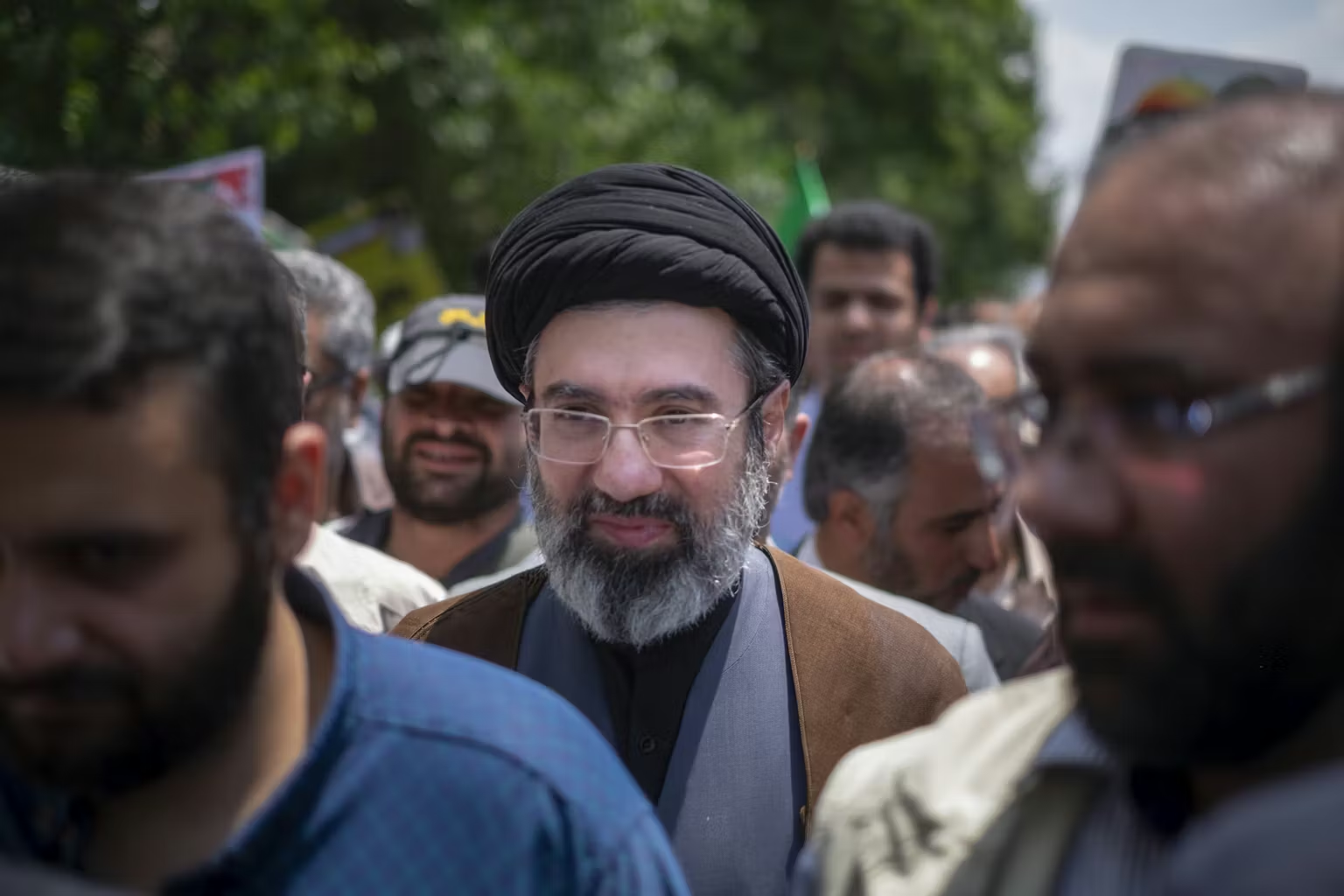
Elias noted on the X platform that the new Iranian rhetoric is based on three main pillars: mobilizing domestic public opinion behind the new leadership, expanding the scope of the confrontation regionally by activating what is known as the Axis of Resistance, and raising the level of deterrence by brandishing threats to vital maritime corridors and military bases spread across the region.
However, this rhetoric, in his assessment, also reveals a deep dilemma facing the Iranian regime, as it seeks to unify the domestic front and make up for accumulated losses, while its military and regional escalation could widen the war and raise its political and economic costs.
American warnings over escalation
On the American side, former U.S. Air Force Major General Philip A. Stewart considered the new Iranian statements to represent a notable escalation in Tehran’s political and military rhetoric, carrying clear deterrent messages directed at Washington and its allies.
These statements coincided with dangerous escalation on the ground in the region, reflecting an extremely sensitive phase that could push the region toward further military escalation if the exchange of strikes and threats to close vital maritime passages continues.
Former U.S. Air Force Major General Philip A. Stewart
In a Gulf reading of the scene, political researcher and head of the Emirates Policy Center, Ebtesam Al Ketbi, believes that the Iranian rhetoric was not directed only inward, but in essence carried broader strategic messages targeting the entire region.
International anticipation of the American-Israeli response
Al Ketbi explains that Tehran is trying to recast the nature of the conflict unfolding in the region by turning it from a confrontation between Iran and the Gulf states into a direct confrontation with the American military presence, in a move aimed at easing political pressure on Iran’s relations with its regional neighbors.
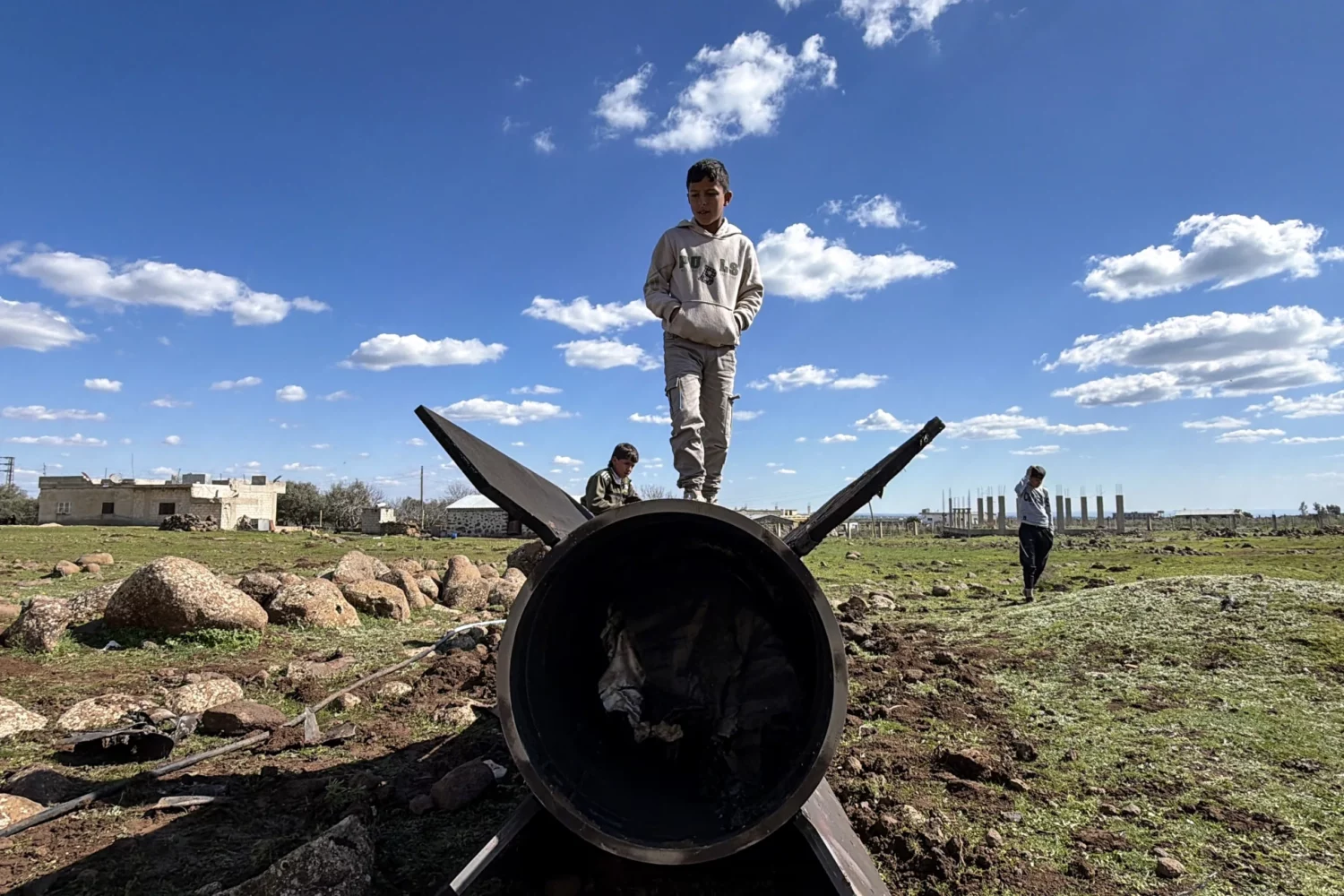
She points to the striking paradox in the Iranian argument, which speaks of a desire to preserve cordial relations with neighboring countries while at the same time justifying the targeting of those countries’ territories on the grounds that foreign military bases are located there. This duality reflects a strategy aimed at making the countries of the region and the global economy bear part of the cost of the military confrontation.
In light of this escalatory rhetoric, the international community is awaiting the reactions of both the United States and Israel to the statements of Iran’s new supreme leader, Mojtaba Khamenei, amid growing questions over whether these messages represent merely rhetorical escalation in the context of mutual deterrence, or whether they are in fact paving the way for a decisive phase that could redraw the course of the conflict and push the region to a more dangerous level of confrontation.
- How the Houthis Are Choking Yemen’s Peace Efforts with a Broad Escalation on the Ground
- Economy in the Wind: How Yemenis Are Paying the Price of Disrupted Shipping Routes
- Houthi Summer Centers: Factories for Indoctrination and Raising a “Scream” Generation
- The “Coalition of Necessity”: What Costa Rica’s Terrorism Designation of the Houthis Signifies
- Mojtaba Khamenei Runs Iran from His Bed as Photos Vanish and the Supreme Leader Makes a “Voice-Only” Appearance