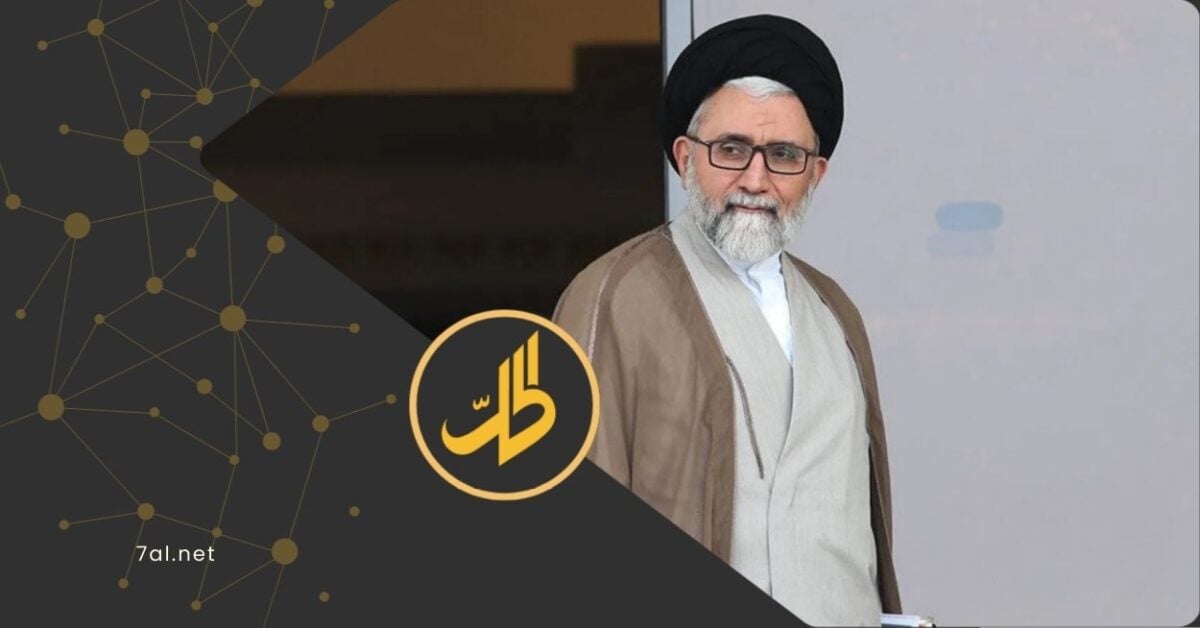
Since the outbreak of the U.S.-Israeli war against Iran, the structure of Iran’s leadership has been subjected to a series of unprecedented blows targeting senior military and security figures, extending even to Supreme Leader Ali Khamenei and, most recently, Iranian Intelligence Minister Esmail Khatib.
These strikes, carried out by the United States and Israel since February 28, come as part of a strategy to weaken the Iranian regime’s ability to manage the military and political confrontation.
Khatib’s assassination is a painful blow to Iran
However, the killing of Iranian Intelligence Minister Esmail Khatib is one of the gravest blows suffered by the central security core of the Iranian regime in recent years, exposing the fragility of the system that runs the country today.
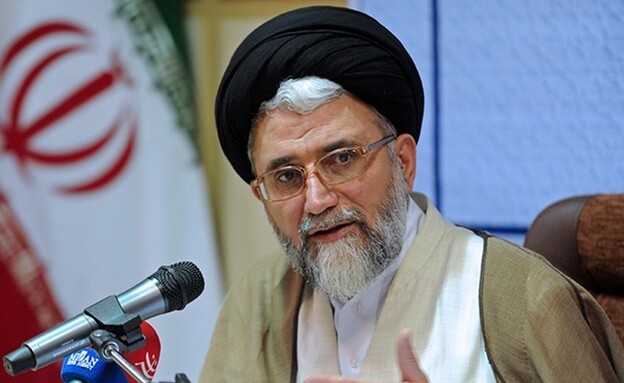
In a statement issued yesterday, Wednesday, the Israeli army said it had killed Iranian Intelligence Minister Esmail Khatib in a precise strike carried out by the air force on Tuesday night, based on intelligence guidance from the intelligence authority in Tehran.
This strike came hours after the killing of Supreme National Security Council Secretary Ali Larijani and Gholam Reza Soleimani, commander of the Basij forces affiliated with the Islamic Revolutionary Guard Corps.
The statement said that Khatib “played a notable role in directing arrests and the killing of protesters, as well as in formulating field assessments during the recent internal protests in Iran,” and also contributed to suppressing the “Mahsa Jina Amini” movement, which erupted in September 2022.
The Israeli army confirmed that Khatib “was responsible for directing the terrorist activities of the Iranian Intelligence Ministry against Israeli and American targets around the world, as well as against targets inside Israeli territory.”
Katz said in a statement following the operation, “Iran’s Intelligence Minister Esmail Khatib was also eliminated,” adding that he and Israeli Prime Minister Benjamin Netanyahu had authorized the army to target any other senior Iranian official without the need for additional approvals.
Who is Khatib?
Khatib had extensive experience within Iran’s security services, having held senior positions in the Intelligence Ministry and in counterintelligence departments before Iranian Supreme Leader Ali Khamenei appointed him minister of intelligence in August 2021. The ministry is Iran’s main intelligence apparatus.
Iranian opposition media say Khatib was not merely a minister; he remained in his post for four consecutive years, in addition to a record spanning about 17 years in intelligence work.
Khatib is considered one of the few figures who simultaneously built a long career in the Intelligence Ministry, the Islamic Revolutionary Guard Corps Intelligence Organization, the judiciary’s protection apparatus, the Office of the Supreme Leader, and even the Astan Quds Razavi foundation, serving in these institutions until his killing yesterday.
This decades-long career made Khatib the most prominent link between Iran’s various security and intelligence agencies, especially in a totalitarian system of rule. Analysts say his assassination is a powerful blow to Tehran because it disrupts the mechanisms of coordination and balance within the security-intelligence system.
According to Iran International, Khatib’s tenure witnessed a shift in the Intelligence Ministry’s strategy. As one of the students in Khamenei’s advanced fiqh lessons, he focused on the concept of “hybrid warfare” and effectively pushed the ministry toward external operations, cyber activities, and stronger coordination with the Quds Force.
Cooperation with networks in the region also expanded, and the Intelligence Ministry’s role in cyberattacks became more prominent, including the attack on Albania and ransomware attacks. For this specific reason, the United States imposed sanctions on him in 2022.
Observers believe that targeting the top of Iran’s intelligence apparatus is not limited to weakening military and political capabilities, but also extends to dismantling the security leadership and decision-makers in Tehran at various levels.
- How the Houthis Are Choking Yemen’s Peace Efforts with a Broad Escalation on the Ground
- Economy in the Wind: How Yemenis Are Paying the Price of Disrupted Shipping Routes
- Houthi Summer Centers: Factories for Indoctrination and Raising a “Scream” Generation
- The “Coalition of Necessity”: What Costa Rica’s Terrorism Designation of the Houthis Signifies
- Mojtaba Khamenei Runs Iran from His Bed as Photos Vanish and the Supreme Leader Makes a “Voice-Only” Appearance