
The European Parliament called on member states to repatriate their citizens who had previously joined the terrorist organization ISIS and are being held in northeastern Syria, and to bring the adults among them to fair trials within EU countries.
According to a report issued by the European Center for Counterterrorism and Intelligence Studies, about 1,000 women and minors held in northeastern Syria had returned to EU countries by February of this year, based on estimates by the International Rights and Security Organization.
What does the resolution contain?
The resolution was drafted by five political groups and approved by a majority of 363 votes to 71, with 81 lawmakers abstaining.
The text of the resolution called on member states to “take concrete measures to ensure the long-term management of داعش detainees and their camps,” while stressing the need to repatriate all European citizens, especially children, from the al-Hol and Roj camps, and bring adults to justice.
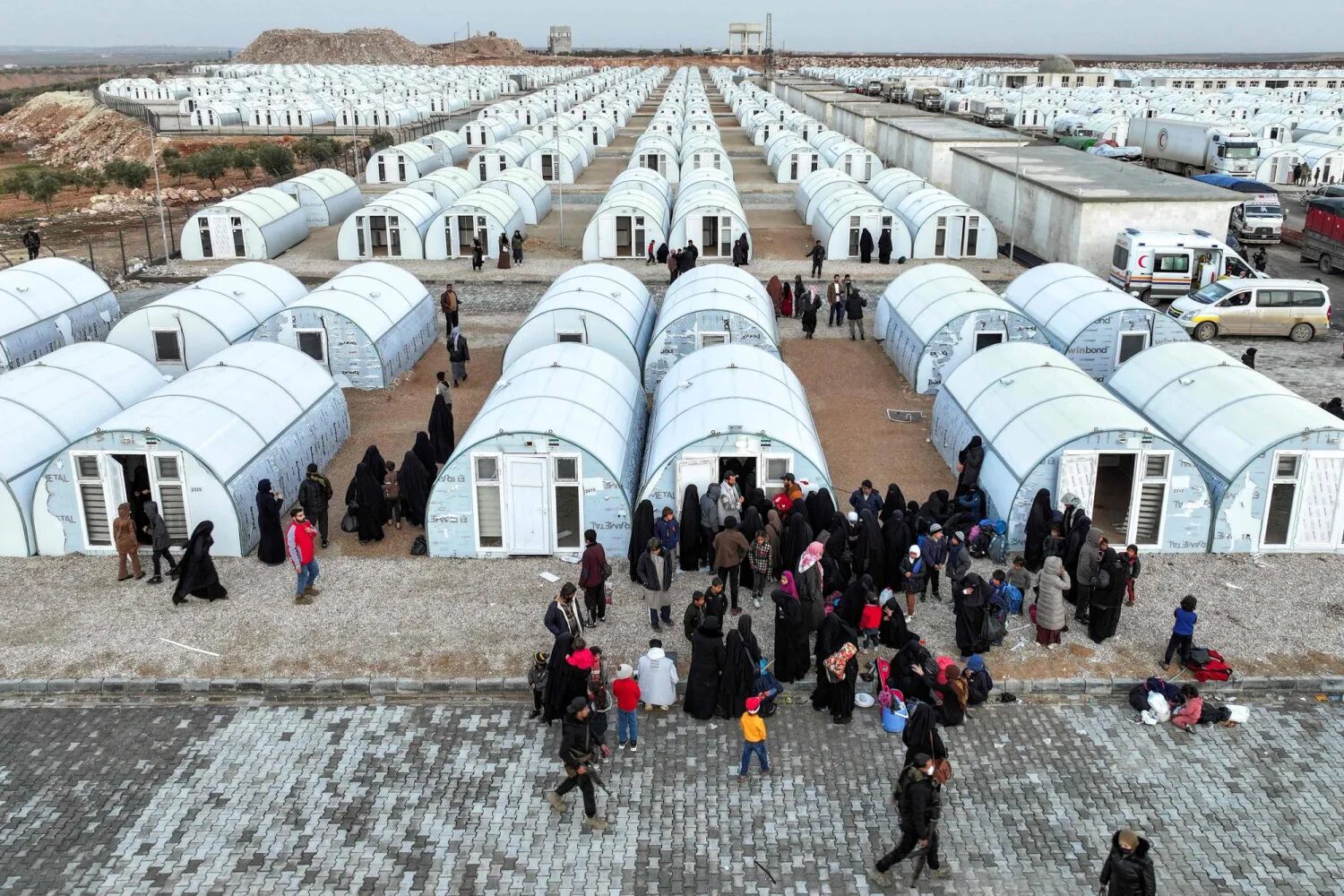
The resolution also included condemnation of what it described as possible grave violations of international humanitarian law in northeastern Syria, following the latest developments on the ground.
It also called on the transitional government in Damascus to guarantee equal rights and political participation for the Kurdish community, while preserving Syria’s territorial unity.
The issue of detainees is considered one of the most complex facing the European Union, as estimates indicate that more than 40,000 detainees from among the organization’s members and their families are being held in the region.
Concerns over the fragile security environment
European concerns have grown after reports said that thousands of detainees escaped during clashes between the Syrian Democratic Forces (SDF) and government forces.
According to the European Center for Counterterrorism and Intelligence Studies, the data reveal a clear disparity in repatriation policies among European countries. Eleven member states have repatriated around 1,000 people, more than half of them French, while the numbers of returnees varied among Germany, the Netherlands, Belgium and other countries.
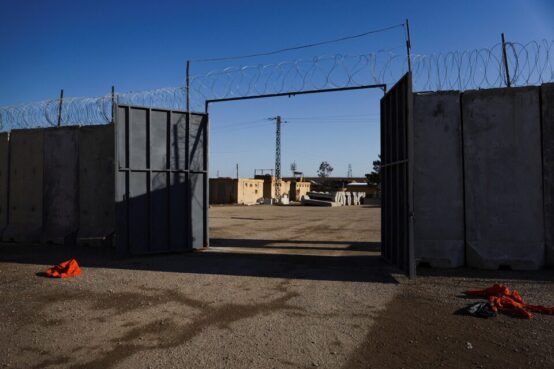
The center pointed out that continuing to hold detainees in a fragile security environment does not represent a sustainable solution, but may instead exacerbate risks in the medium term, while repatriating citizens and trying them in their own countries is a more viable option from both a legal and security standpoint.
The report notes that political division still persists, as some right-wing forces oppose the return of the fighters and call for stripping them of their citizenship or trying them where they are detained, reflecting the difficulty of reaching a unified European policy on one of the most sensitive issues in the post-ISIS period.
This comes amid rapidly unfolding developments on the ground, including reports of a US withdrawal from Syria and the transfer of detainees from the terrorist organization to Iraq, in addition to reports that some of them have escaped. While the Autonomous Administration of northeastern Syria has repeatedly called on countries to take back their citizens, the issue remains hostage to complex political and security calculations, amid continuing security threats in the region.
- How the Houthis Are Choking Yemen’s Peace Efforts with a Broad Escalation on the Ground
- Economy in the Wind: How Yemenis Are Paying the Price of Disrupted Shipping Routes
- Houthi Summer Centers: Factories for Indoctrination and Raising a “Scream” Generation
- The “Coalition of Necessity”: What Costa Rica’s Terrorism Designation of the Houthis Signifies
- Mojtaba Khamenei Runs Iran from His Bed as Photos Vanish and the Supreme Leader Makes a “Voice-Only” Appearance