At a striking and highly sensitive moment, Faisal al-Ballu, a former leader in the terrorist organization ISIS known by the nom de guerre “Abu Ahmad,” was recently released. Reports differed over how long al-Ballu had been imprisoned: some sources said two years, others said one year, while still others said it had only been for a short period.
Sources added that al-Ballu was arrested while arriving from Turkey using forged identification. He was detained at the time by Turkish intelligence and placed in a military police prison run by what was previously known as the military police affiliated with the Ankara-backed “Syrian army factions.”
Who is Faisal al-Ballu?
Al-Ballu’s release came at a time when the organization is witnessing a field escalation in eastern Syria, coinciding with its official spokesman’s announcement of a “new phase of the conflict.” This places the two developments in an extremely sensitive security and political context, especially amid ongoing shifts in the structure of control east of the Euphrates.
Al-Ballu was one of the prominent local faces during the period of the terrorist organization’s control over Raqqa and Tal Abyad/Kri Sbi between 2014 and 2016, when he held the position of “emir of the northern sector” and was associated with tribal affairs.

Human rights reports and local testimonies accuse him of involvement in arrests, executions, and forced recruitment during that period. These accusations have not been adjudicated before an independent judicial body, but they nevertheless cemented his name as one of the prominent local figures in the organization’s structure at the time.
After ISIS lost ground, accounts of his fate diverged, with some reports saying he had been killed and others confirming that he was still alive. In 2020, his release from one of the prisons of the Turkish-backed “Syrian National Army factions” in Tal Abyad/Kri Sbi was documented, before later reports circulated information about his movements and his re-arrest at different times.
Libyan media also quoted military officials accusing him of having been transferred to Libya among batches of Syrian fighters, and some went so far as to accuse him of participating in the execution of Jordanian pilot Muath al-Kasasbeh—claims that have not been independently confirmed.
Later, reports said he was arrested again while entering from Turkey using forged identification, then released after a period of time. As for the most recent detention, which lasted only a few days, it ended with his release following a general amnesty issued a few days ago by Syria’s transitional president, Ahmed al-Sharaa.
Sensitive Timing and Field Escalation
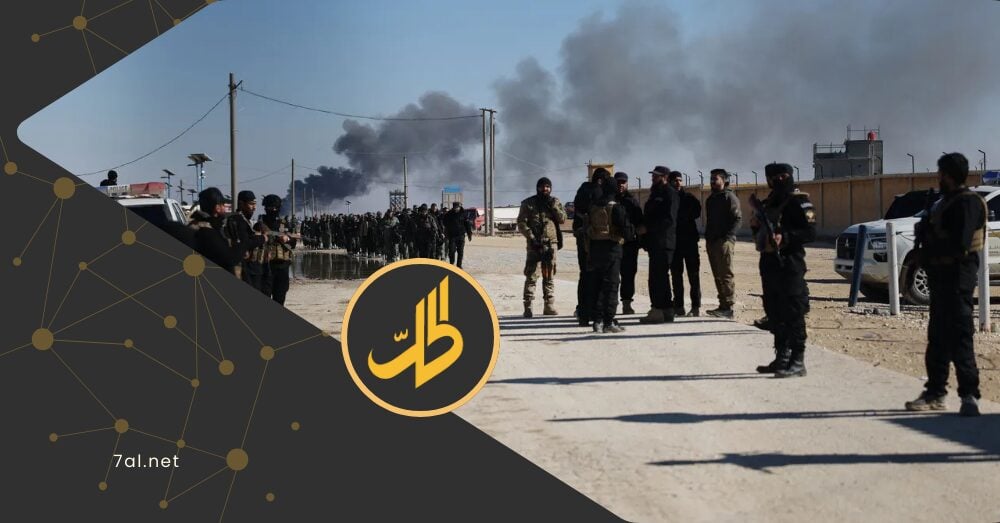
The latest release coincides with a rise in the organization’s attacks in the provinces of Raqqa and Deir ez-Zor. In Raqqa, the al-Sabahiya checkpoint at the city’s western entrance came under attack twice in less than twenty-four hours.
The first attack killed one member of the government’s internal security forces and wounded another, and the organization officially claimed responsibility for it. The second attack killed four members and wounded others after clashes that lasted about half an hour.
The escalation also extended to Deir ez-Zor, where a member of the government forces was killed in al-Mayadin in an armed attack, while the organization claimed responsibility for other operations targeting security personnel in Suluk and al-Basira in the Raqqa countryside.
This comes after an audio recording broadcast by the organization’s media outlets, in which its spokesman announced a transition to a “new phase” and threatened to widen the scope of the confrontation.
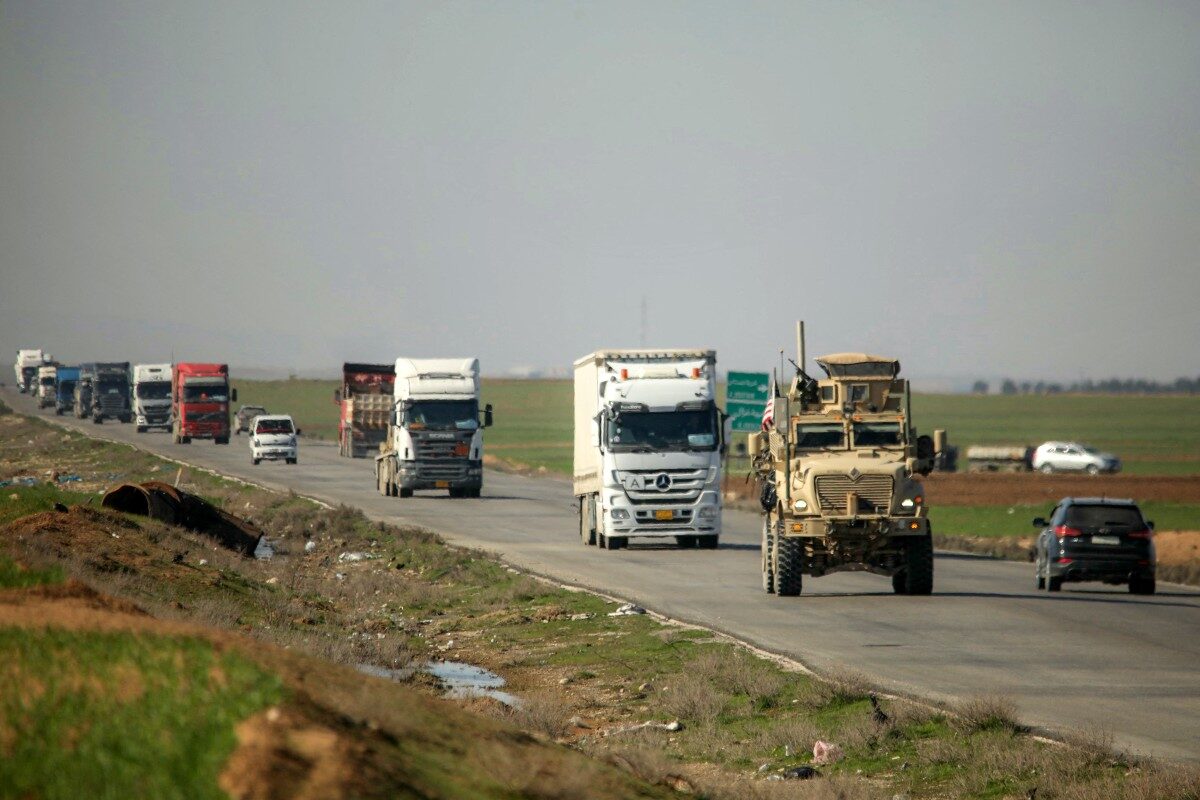
This escalation coincides with a US withdrawal from a number of bases east of the Euphrates and with progress in negotiations between Damascus and the “SDF” over security and administrative integration arrangements.
Between escalatory rhetoric and rapidly unfolding field developments, the region appears to be facing a test of the new arrangements’ ability to close security gaps and prevent the organization from re-establishing its position at a complex transitional moment.
More broadly, a major resurgence in ISIS activity—through attacks or even suicide operations here and there in eastern Syria or elsewhere—would amount to a gradual failure by Syria’s transitional government in combating ISIS and preserving security and stability in that region and across many Syrian areas. This would likely lead, in turn, to a gradual decline in—or even loss of—the international community’s confidence in entrusting this task to the government in Damascus, and perhaps ultimately to a loss of international support.
- How the Houthis Are Choking Yemen’s Peace Efforts with a Broad Escalation on the Ground
- Economy in the Wind: How Yemenis Are Paying the Price of Disrupted Shipping Routes
- Houthi Summer Centers: Factories for Indoctrination and Raising a “Scream” Generation
- The “Coalition of Necessity”: What Costa Rica’s Terrorism Designation of the Houthis Signifies
- Mojtaba Khamenei Runs Iran from His Bed as Photos Vanish and the Supreme Leader Makes a “Voice-Only” Appearance