Costa Rica’s Foreign Ministry recently announced that it had added the Iran-backed Houthi group to its national list of terrorist organizations, in a move that also included Iran’s Islamic Revolutionary Guard Corps and Lebanon’s Hezbollah, as part of measures it said were aimed at strengthening the state’s capacity to confront cross-border security threats.
The ministry said in a statement posted on X that the decision gives the relevant authorities broad powers to track any potential financial or logistical support networks linked to these groups, while also tightening scrutiny of suspicious movements and preventing any breaches that could affect the country’s security or economic structure.
It also said the designation allows for developing cooperation mechanisms with international partners, particularly on intelligence sharing and stronger preventive measures, as part of efforts to curb the groups’ activities and cut off their funding channels.

Costa Rica’s decision, despite its geographic distance from the Middle East’s flashpoints, comes amid an international trend that treats these groups as part of transnational networks, especially in relation to financing and logistical movement.
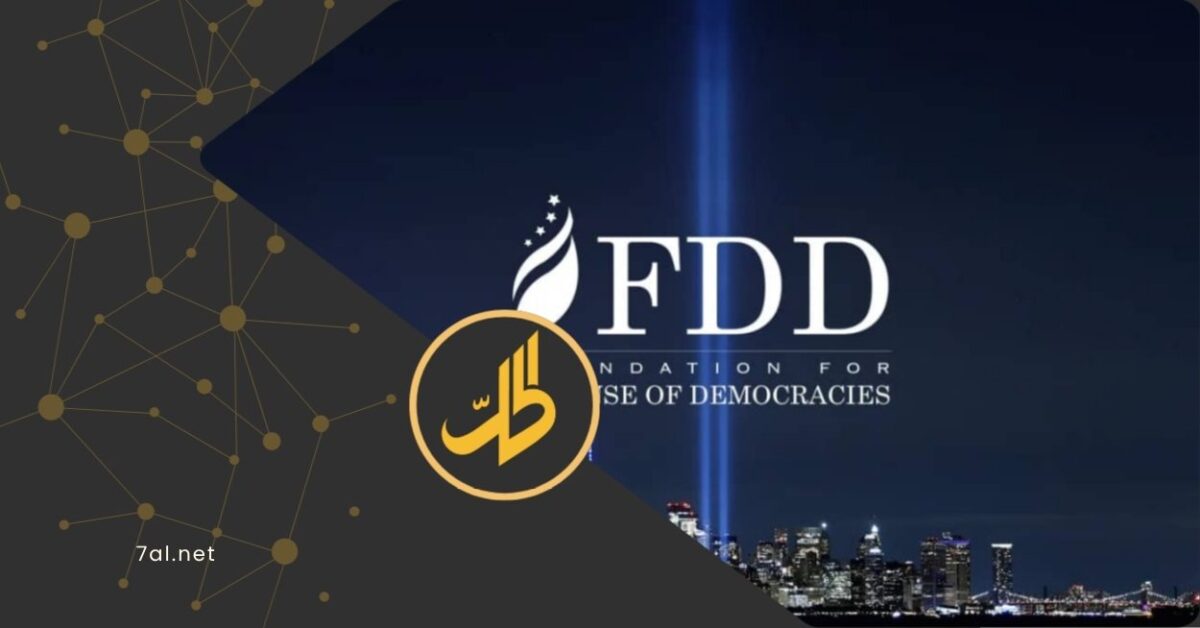
In this context, the Foundation for Defense of Democracies said the move has a practical dimension that goes beyond politics, noting that it narrows the space in which networks linked to Iran can operate, particularly in regions such as Latin America.
The foundation added in an analysis that placing these groups on terrorist lists limits their ability to use foreign financial systems or build indirect support channels, while also calling on the United States to expand diplomatic pressure to encourage other countries to take similar steps.
Adding the Houthi group alongside the Iran-backed Revolutionary Guard and Hezbollah reinforces a reading that links these actors within a regional alliance network, in line with repeated accusations that Iran continues to support the group in Yemen, both militarily and politically.
The move comes at a time of rising tensions in the region, as some armed groups expand their roles beyond their local borders, prompting countries even outside the region to reassess the risks posed by these organizations.
In practical terms, the decision is not expected to have a direct impact on the Houthi group’s activity inside Yemen, but it could add new restrictions on its external movements, especially in relation to financing or travel.
It also highlights growing international attention to the Houthi group, as part of Iran’s so-called “axis of resistance.”
The decision raises questions about whether other countries will take similar steps, amid growing efforts to restrict the movements of these groups and monitor their reach beyond their traditional borders.