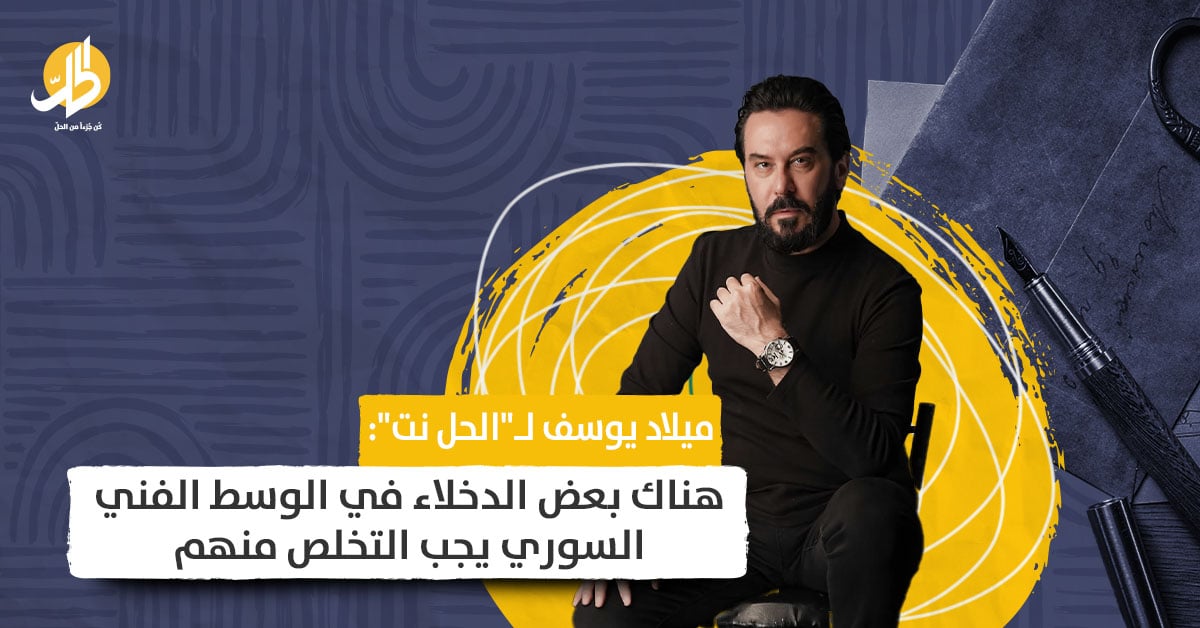
During his artistic journey after graduating from the Higher Institute of Dramatic Arts in 1997, Syrian star Milad Youssef managed to carve out a distinct space for himself. He appeared in a range of productions, portraying a variety of characters — from villains and troubled figures to romantics, kind-hearted roles, and comic characters — as well as many other human types, earning success and distinction through his performances.
Youssef’s artistic career was not the product of chance, but rather the result of deep passion and artistic commitment, reflected in a rich record of successes and influential roles in social drama that resonated with audiences. His first breakthrough came with the series “A Seat in the Garden” (1998), which served as the spark that launched the career of a committed star.
He quickly confirmed his talent and his tireless efforts to refine it through an important appearance alongside the veteran artist Duraid Lahham in the series “The Return of Ghawar” (1998), in the role of “Ramez,” taking a steady step forward in his career.
Milad Youssef went on to cement his presence through standout roles that became milestones in Syrian drama, including “Nawar” in “Children of Oppression” (2002), “Louay” in “The Age of Madness” (2004), “Mazen” in “Killing Spring,” and perhaps most notably “Rami” in “The Four Seasons” (1999), in addition to his appearances in “Under Mysterious Circumstances” (2015) and “Khawatim” (2014). In recent years, he has delivered notable works such as “On a Hot Tin Roof” (2021), “Kanun – Thieves’ Market” (2023), and most recently stood out in the Arabic adaptation “Al-Qadar” in the role of “Iyad.”
Carefully considered choices
The career path of Syrian actor Milad Youssef appears to have been carefully thought out, especially since he relies on himself in making his choices, and his steps are notably calm and measured. He has not exhausted himself through repetition; instead, he has taken similar character types and made them appear different in their paths, traits, and emotional states.
Milad did not cling to the success of any one character and stop there. Instead, he continued searching, working, and developing his skills, becoming a genuine favorite of audiences, who await his work and performances in every new production. He is also one of the few actors who avoid exploiting their fame to stir controversy or chase trends. He keeps his personal life and family away from the spotlight, allowing his work to remain the main bridge between him and his audience.
This distinctive position that Milad Youssef has built from the beginning until today, along with the balance in his fame and success, prompted us to ask about the secret behind this consistency. In his interview with Al-Hal Net, he said that he loves characters that provoke a reaction from the viewer, whether in a positive or negative way; what matters to him is the viewer’s emotional response.
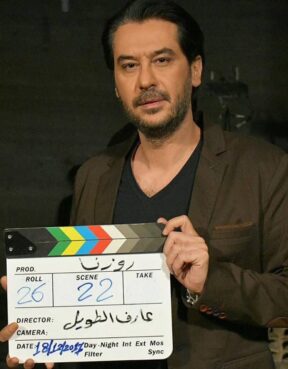
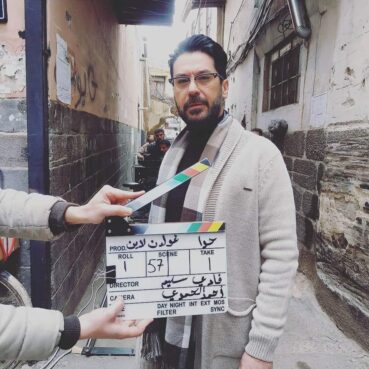
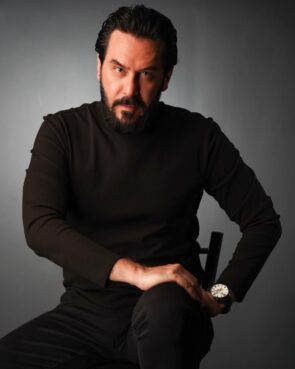
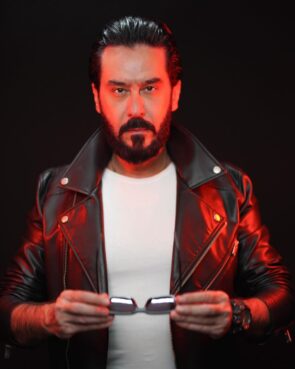
He added about his artistic choices: “I am very keen for the characters to have a real function within the drama, a strong presence, and an impact on the course of events, and for them to be out of the ordinary and unlike what I have done before. Even if they resemble a previous character, they should still offer room to present them in a different way. I love variety in form, content, and dramatic genre.”
As for the conditions he sets or asks for before taking part in any production, Youssef confirms that he does not impose special conditions of his own; rather, they are the same conditions that apply to any actor — for example, that the work should have a good production environment, be properly backed from a production standpoint, and be carried out by a professional company.
Milad Youssef says: “Whenever these two elements are present, along with a distinguished and professional director, a good script, and strong collaborators, they are bound to create a healthy working environment capable of producing creativity, one in which the actor can give his very best without worrying about effort or fatigue, because the result is set up for success.”
Milad Youssef and Shami milieu drama
Alongside Milad Youssef’s success in contemporary social drama, his success in Shami milieu drama was also striking. For him, it represents a distinctive experience that achieved exceptional success, especially through his starring role in the famous series “Bab al-Hara” as “Issam,” whose first installment was launched in 2006. That role extended his popularity beyond the Arab world and left a distinctive mark — perhaps even a turning point — in his artistic career, expanding his audience and fan base.
But Milad Youssef’s success in this genre did not stop there. It was followed by carefully chosen appearances in other productions that also won audience admiration and brought him major success, such as his role in “Men of Pride” (2011) as “Yassin.” He also stood out as “Al-Bari” in “Tahoun al-Shar” (2013), “Izz al-Din” in “Khatoun” (2016), and “Asaad” in “Silk Market” (2021).
Speaking about these successes, and whether this genre still retains its luster and audience today, Youssef told Al-Hal Net: “Shami works are an established genre that has imposed itself within Syrian drama, regardless of whether they attract broad audiences or not. They are part of the diversity of drama and they have their own audience. What is needed today is greater attention to stories that provoke the viewer.”
Youssef continued: “In recent years, I have stayed away from Shami milieu drama because my experience in it was sufficient, and I have come to prefer social dramas because of the variety of their stories. But we cannot cancel it out or be unfair to it. It is a dramatic genre with its own beauty, audience, and admirers who long for these old stories. What also distinguishes it is that it is one of the genres closest to the family setting, and one that can be shown and watched by all members of the family.”
Arabic adaptations and upcoming preparations
Star Milad Youssef did not stop at achieving success in purely Syrian drama or joint Arab productions. Producers of Arabic adaptations of Turkish series also capitalized on his popularity and artistic professionalism. Through his role as “Iyad” in the series “Al-Qadar,” he was able to achieve major success.
Speaking about this experience, Youssef said: “The series ‘Al-Qadar’ was a very special experience that I enjoyed despite its difficulty, because it was being broadcast while we were still filming. I was happy to encounter new experiences, and working with a distinguished and professional Turkish team was a positive thing. In addition, on both the script and production levels, ‘Al-Qadar’ was close to Syrian works because it deals with the family. The character of ‘Iyad’ came through in a distinctive way, and we were able to transform him from a one-dimensional character into one with agency, a role, and influence within the work alongside the other characters.”
Speaking about the state of Syrian drama today, Youssef believes that it remains strongly present overall and continues to assert itself, but it needs production support and the attraction of writers, directors, and new talented faces. He stressed that Syrian drama is highly fertile in its subjects, stars, and creative energies, and that if it receives greater care and attention, it can achieve a great deal.
As for the changes in the artistic scene that bother him today, he said: “I accept the fluctuations that drama and the artistic scene are going through. Of course, we feel nostalgic for the past, but the present is good and needs commitment. Yes, there are some outsiders, and some things that have entered the artistic scene, that need to be weeded out — such as lack of commitment, carelessness, and lack of concern.”
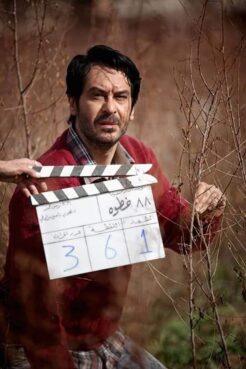
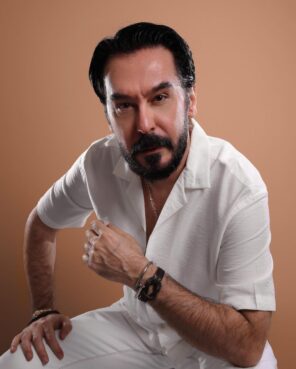
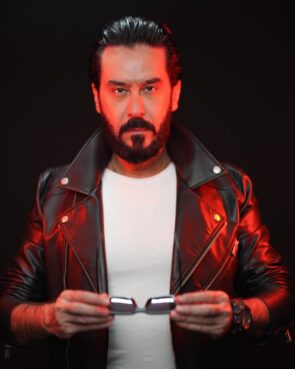
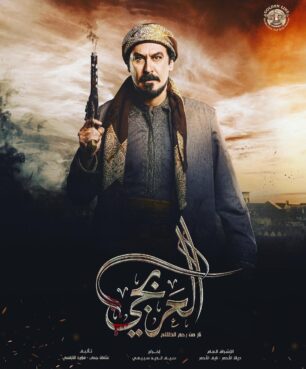
Youssef added: “With the presence of people who truly believe in presenting distinguished Syrian work, who have the passion to do so and a sense of responsibility, I expect this will make the state of the artistic scene acceptable and turn it into a social, human, intellectual, and civilizational face. I wish success for Syrian drama and other Arab dramas. Any drama is a human message, and it is capable of developing societies. It is good for art to have a human role in shaping an active and influential person in society and in life in a better way.”
After his long career, Youssef also spoke about what art has given him, explaining that it gave him experiences of both success and failure, as well as the audience’s feelings toward him. Art presented Milad Youssef as an actor, left an impression on viewers, and earned him a place in their memory. As for his preparations for the coming season, Youssef said he does not like to reveal details of his projects, but that he will be present during the upcoming Ramadan season in a production inside Syria, in addition to preparations for a project outside Syria. He also revealed that a theater project is currently in development, with its details expected to become clearer next month.
- How the Houthis Are Choking Yemen’s Peace Efforts with a Broad Escalation on the Ground
- Economy in the Wind: How Yemenis Are Paying the Price of Disrupted Shipping Routes
- Houthi Summer Centers: Factories for Indoctrination and Raising a “Scream” Generation
- The “Coalition of Necessity”: What Costa Rica’s Terrorism Designation of the Houthis Signifies
- Mojtaba Khamenei Runs Iran from His Bed as Photos Vanish and the Supreme Leader Makes a “Voice-Only” Appearance