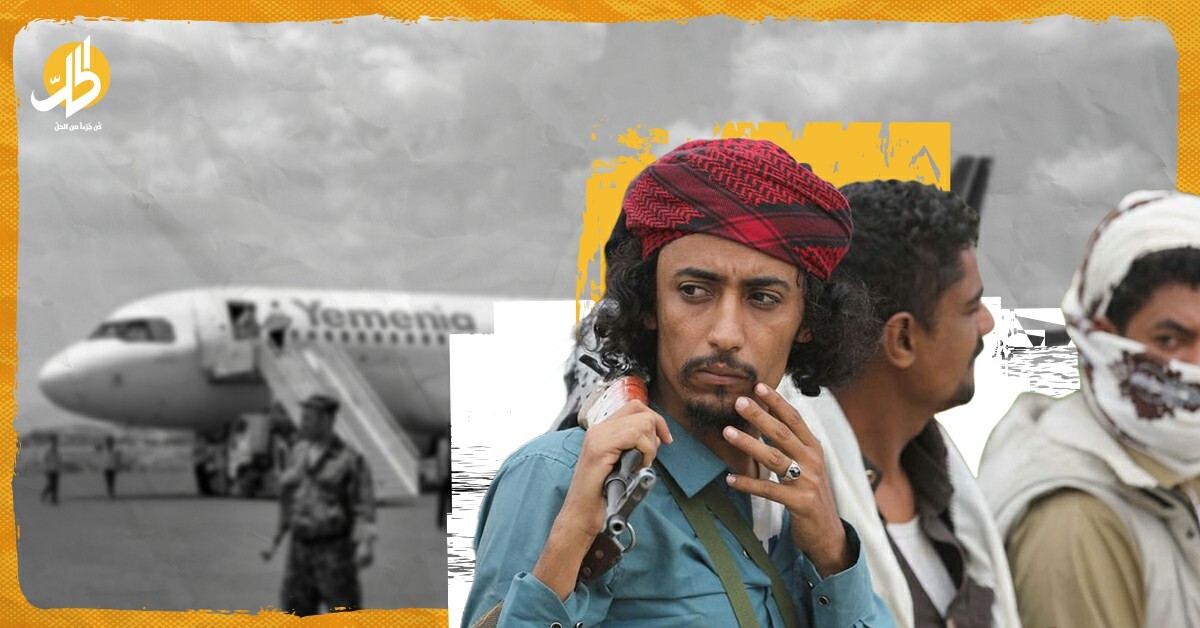
Amid ongoing regional and international efforts to achieve a breakthrough in the Yemeni crisis and establish lasting peace in Yemen, the Houthi militia continues to violate the humanitarian truce and persist in undermining all efforts aimed at restoring stability and security in the country. Most recently, it prevented Yemenia Airways from withdrawing its funds from banks in Sana’a, prompting the company to suspend its flights. Analysts viewed this as a deliberate step by the Houthis to use as a tool of political blackmail during negotiations with Saudi Arabia.
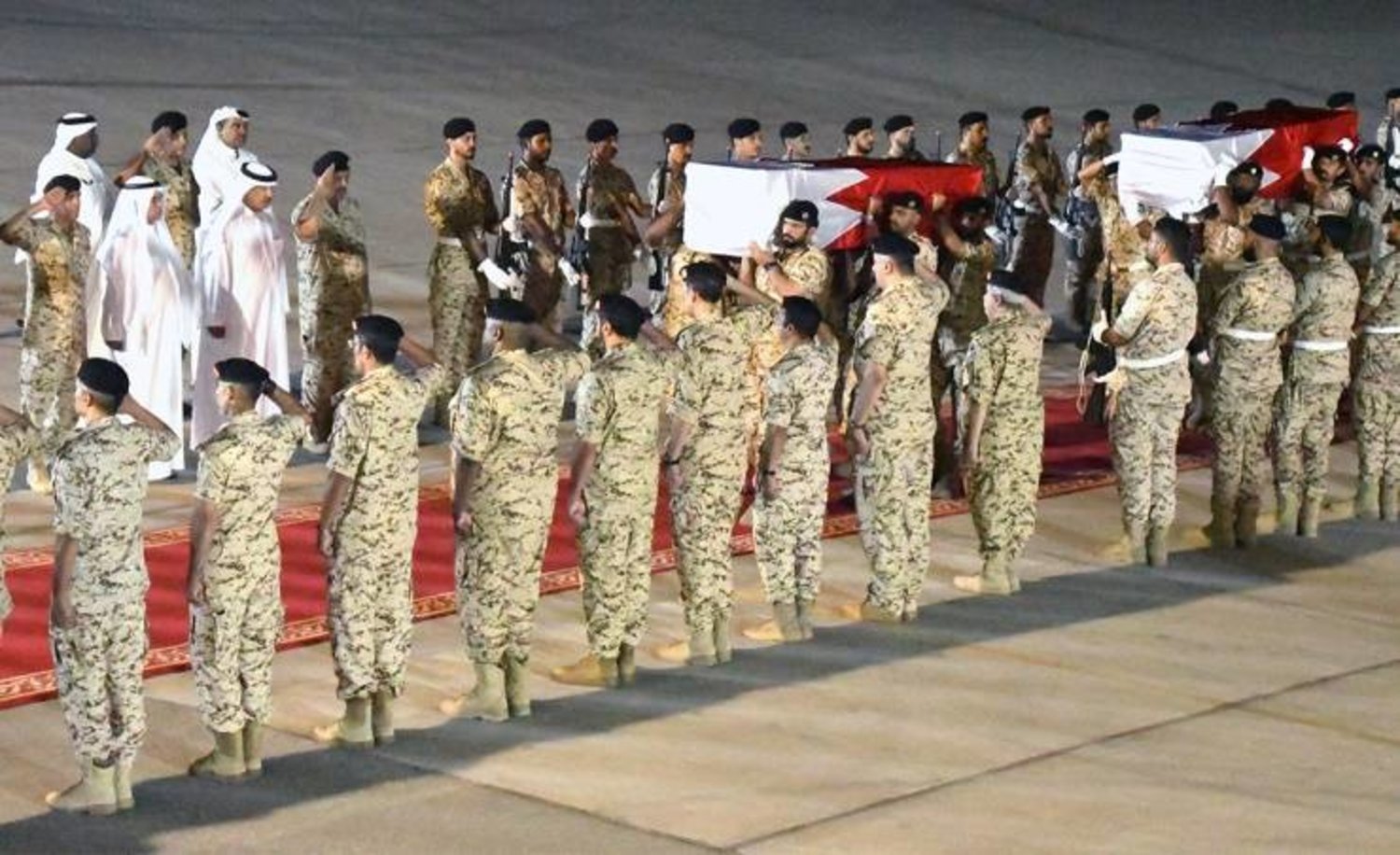
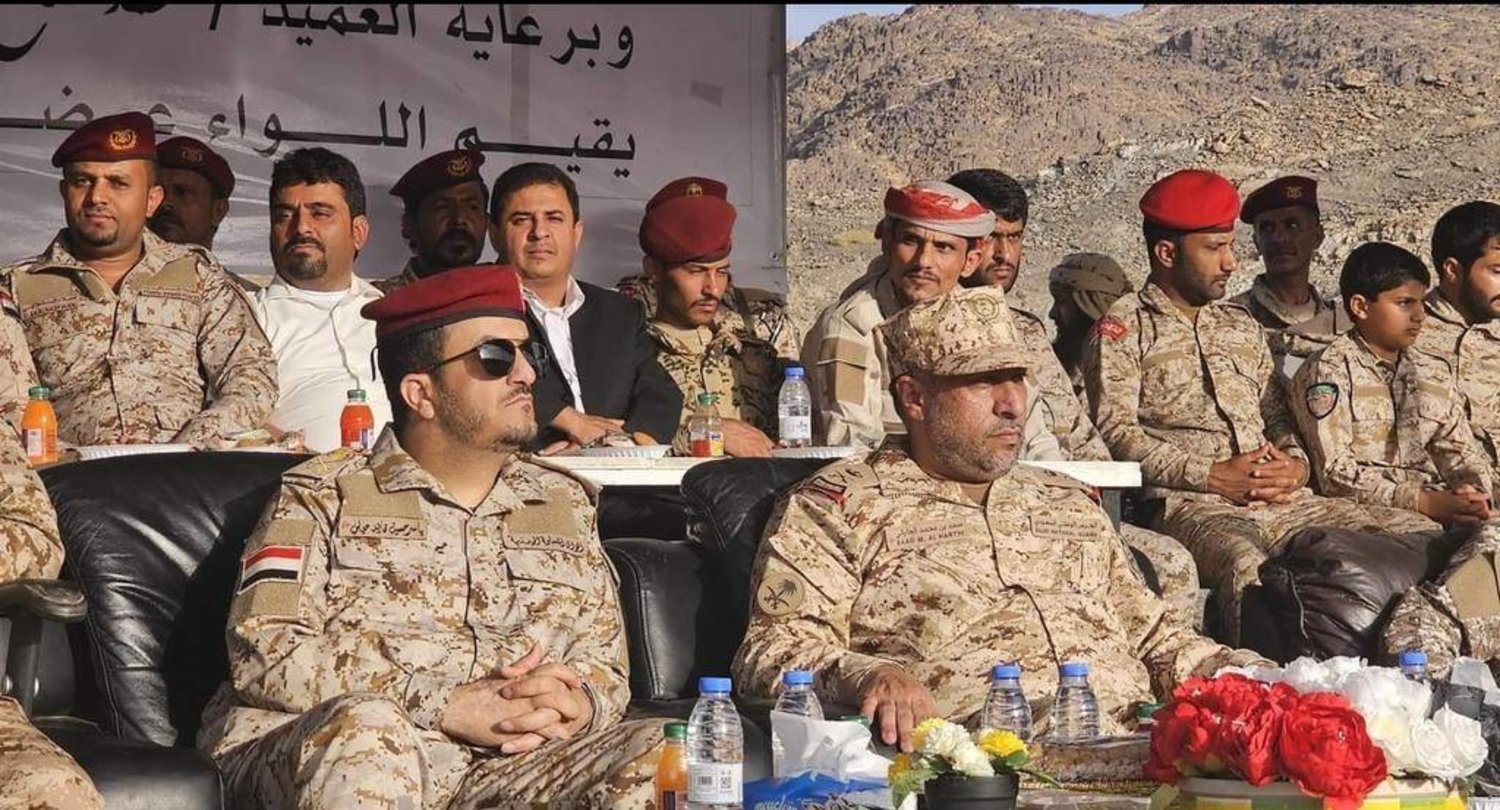
That was not all. Two days ago, the group also targeted a military ceremony marking the anniversary of the founding of the Yemeni Republic in the Alab area of Saada province, killing one soldier and wounding others. This came in addition to the attack launched by the Houthi militia on a Bahraini force within the Coalition to Support Legitimacy in Yemen in southern Saudi Arabia, in which three were killed and more than ten wounded. All of this came just days after the Houthi delegation left the Saudi capital, Riyadh, following negotiations over a permanent truce agreement.
This raises several questions about the motives, implications, and messages behind the Houthis’ moves at this particular time, and whether they can secure any gains in negotiations with the Saudi side. The actions of this Iran-backed group were almost certainly known to Tehran, which may well have given the green light for them. So what is the Gulf and international position on Iran’s behavior, and what are the repercussions for the Yemen issue?
The Houthis and Political Blackmail
As negotiations with Saudi Arabia advance with the aim of reaching a solution to the Yemen issue, the Houthis prevented Yemenia Airways from withdrawing its funds from banks in Sana’a, forcing the company to suspend its flights through Sana’a International Airport. This suggests that the Houthis are trying to use the issue as a means of political leverage during their negotiations with Riyadh. Through this hostile step, they seek to turn the problem into a humanitarian crisis that serves their negotiating position and yields political gains, according to the London-based newspaper Al Arab on Sunday.
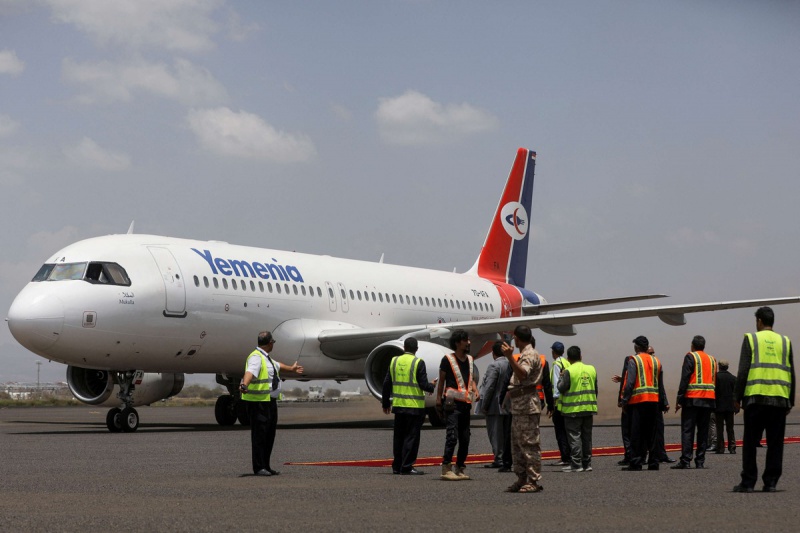
Four Yemenia Airways executives told Reuters, on condition of anonymity, that the company would suspend the only international commercial flight from the Yemeni capital to Jordan in response to the Houthi authorities preventing it from withdrawing its funds from banks in Sana’a.
For its part, the company said in a brief statement that it had been unable to withdraw its funds from banks in Sana’a for several months, calling on the Houthis to lift the illegally imposed restrictions on its assets. Company officials added that the national carrier would halt six weekly flights to Jordan in October after negotiations with the company’s management in Sana’a failed to secure the release of its funds, which amount to $80 million.
Researcher and political analyst Dr. Abdulsalam al-Qassas believes that the Houthis have not been serious about negotiations from the outset and are pursuing a strategy of striking sensitive targets in order to impose themselves as an influential force in the talks and dictate their terms, thereby maximizing their influence in Yemen, especially over international maritime routes.
There is no doubt that the suspension of flights from Sana’a International Airport because of the Houthis, and before that the attack on the Bahraini force and the Yemeni army, shows that this group uses such actions as a pressure tactic in various understandings and talks, whether with Saudi Arabia or with other international parties. This is a policy the Houthis have consistently pursued and is nothing new, the political analyst told Al-Hal Net.
Accordingly, the parties negotiating with them must understand that this group is not serious in its talks, or else accept all of its conditions—namely, control over the entire country, in the analyst’s words.
Objectives of the Houthi Moves
The attack recently launched by the Houthis on the Saudi-Yemeni border sparked much speculation about its significance, especially since it came days after negotiations with the group’s delegation in Riyadh. The results of those discussions had been promising in terms of reaching a sustainable truce and then moving on to political negotiations aimed at a final resolution to Yemen’s protracted crisis.
This attack, carried out using Iranian drones, was the first of its kind to target Saudi territory after the agreement signed between Saudi Arabia and Iran under Chinese auspices last March, and after talks began to find a way out of the Yemen issue, amid Saudi support for Yemen’s legitimate government and Iranian support for the Houthis.
The attack drew regional and international condemnation, and many analysts considered it an Iranian message to the Gulf, indicating that Tehran is dissatisfied with the ongoing talks. Accordingly, the Houthis appear to be acting on several fronts—from attacks to stirring up security chaos in the country—with the aim of pressuring for greater negotiating gains or derailing the talks scheduled to resume soon.
Others argued that there may be a split between the political and revolutionary wings within the Houthis, with some benefiting from the momentum of war and wanting it to continue.
The Houthis’ attacks reflect the nature of such militia-style political entities, which resist pragmatic political and regional settlements. Their handling of political reality is field-based, relying on weapons and escalation—in other words, on militarizing political issues that they mobilize while insisting on keeping them inflamed and tense.
Accordingly, this is a group like other sectarian armed groups, with undisciplined weapons operating outside any legal legitimacy. Despite their loyalty to outside patrons, such armed groups sometimes move independently or within narrow limits tied to their own interests.
Political analyst Abdulsalam al-Qassas believes that the Houthis’ repeated targeting of many vital points, including Gulf territory and international navigation routes, indicates that Iran does not want to emerge from these negotiations with weak gains. Rather, it wants to impose its hegemony over the Gulf’s most important straits—Hormuz and Bab al-Mandab—in order to control Arab Gulf waters and then shut down oil and energy transport routes, which would make it a strong party in its international negotiations with the West on other issues.
Al-Qassas suggests that the Houthi group itself may be divided in its views: some want to push through their own conditions in line with their interests and present themselves as a legitimate authority recognized in the country, while others are advancing Iran’s agendas as it seeks to control all of Yemen and use it as a tool in international forums. As a result, negotiations are heading toward a deadlock amid the group’s puzzling hostile moves.
Therefore, the continuation of this militia group’s escalation at this sensitive time is a dangerous indicator that undermines all efforts aimed at establishing peace in Yemen and reaching a truce and a sustainable political solution. It also shows its lack of seriousness in any negotiating track, as it consistently turns to the military option to achieve its pragmatic agendas.
Deadlocked Negotiations
In this context, the Saudi and international sides will maintain their position, and they certainly will not allow these militias and Tehran to exploit the Yemen issue in order to push through their projects and agendas. They may take more decisive steps to reach a sustainable truce—namely, engaging with the side that wants a reasonable agreement, not the party that backs Tehran’s hostile agendas—according to al-Qassas.
Al-Qassas also points out that Riyadh may pressure Iran in order to reach some kind of agreement regarding Yemen, or that this could undermine the agreement signed between the two sides through Beijing.
Accordingly, the region will remain fraught with tension and escalation, and Tehran and its militias will not stop destabilizing the region’s security and stability and international navigation.
Political analyst Abdulsalam al-Qassas to Al-Hal Net
Therefore, this may lead the Kingdom to establish regional and international partnerships and alliances, especially with Washington, in order to protect maritime navigation and regional security, and to place the Houthis in a war of attrition, according to al-Qassas.
According to the London-based newspaper, the Taiz military axis said in a press statement that “the Houthi militia has renewed its military escalation over the past two days on various fronts in the province,” adding that “clashes broke out between the army and the Houthi militia on Thursday and Friday on the al-Aqroud front south of the province and in the Kamp al-Rous area northeast of Taiz city after the army foiled two infiltration attempts by the group.”
The same statement pointed to intermittent clashes on the western Taiz fronts after the Houthi militia escalated its hostile acts and targeted army positions with heavy and medium artillery. The army considered this escalation a blatant challenge to peace efforts led by the United Nations and international and regional parties to reach an agreement on a permanent ceasefire in Yemen.
In general, the Yemen issue cannot be resolved so easily, especially since Iran will not give it up without minimizing its losses. Therefore, either Tehran’s impossible conditions in the negotiations are accepted—which is highly unlikely—or the Yemeni crisis remains as it is, which is the most realistic option so far. In fact, it is quite possible that military escalation will occur inside Yemen in the coming period, plunging the country into even greater crises and further complicating the situation.
- How the Houthis Are Choking Yemen’s Peace Efforts with a Broad Escalation on the Ground
- Economy in the Wind: How Yemenis Are Paying the Price of Disrupted Shipping Routes
- Houthi Summer Centers: Factories for Indoctrination and Raising a “Scream” Generation
- The “Coalition of Necessity”: What Costa Rica’s Terrorism Designation of the Houthis Signifies
- Mojtaba Khamenei Runs Iran from His Bed as Photos Vanish and the Supreme Leader Makes a “Voice-Only” Appearance