
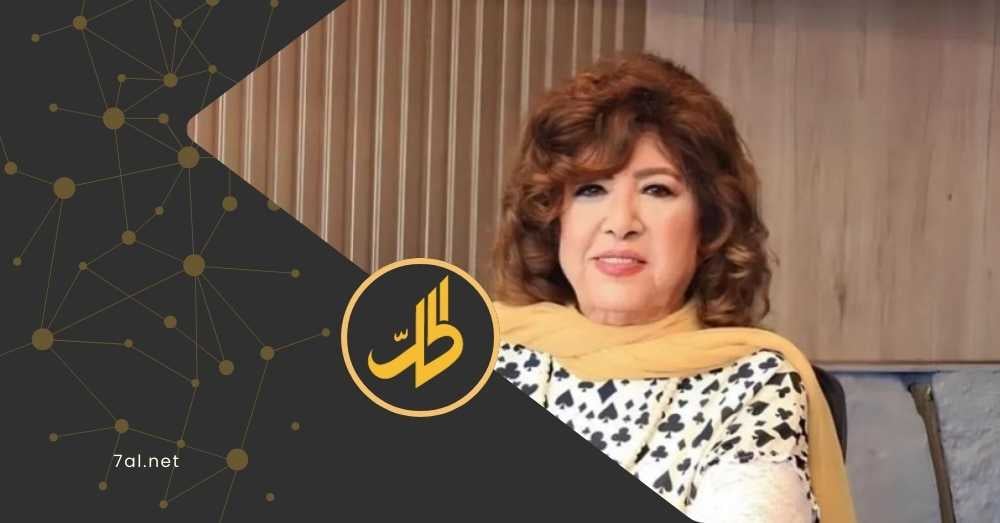
Brig. Gen. Osama Ataka, commander of “Internal Security” in the Syrian capital, Damascus, announced on Thursday evening the arrest of the woman accused of killing actress Huda Shaarawi, revealing details of the crime.
The Syrian artistic community was shocked on Thursday by news of the killing of Syrian actress Huda Shaarawi inside her home in Damascus, in an incident that sparked widespread reaction on social media and in cultural circles.
Ugandan national: maid confesses to the crime
Brig. Gen. Ataka said that “as part of the immediate follow-up to the killing of citizen Huda al-Shaarawi, information was received on Thursday afternoon that she had been found dead inside her home.”
He added: “After launching the investigation and collecting evidence, it was found that the death occurred in the morning as a result of the victim being assaulted with a blunt object, causing severe bleeding. The body was transferred to forensic medicine pending the final medical report.”
Ataka said preliminary investigations pointed to her maid, identified as Vicky Ajok, a Ugandan national, who left the house after the crime.
He went on to say: “Following that, the specialized units tracked the suspect’s movements and were able to arrest her on Thursday evening, and she confessed during questioning to committing the crime.”
The commander of “Internal Security” in Damascus confirmed that investigations are continuing to uncover the motives and circumstances of the crime, ahead of referring the case to the competent judiciary.
Social media users circulated a video documenting the moment the maid accused of killing Syrian actress Huda Shaarawi was arrested after the crime at the actress’s home in Damascus.
One of the late actress’s neighbors said the crime was committed using a pestle (a metal kitchen tool used for grinding), noting that the maid disappeared after fleeing through one of the home’s balconies.
Who was Huda Shaarawi?
Actress Huda Shaarawi was born on October 28, 1938. She was one of the prominent names in Syrian theater, cinema, and television, and was known for the variety of her roles and her ability to portray realistic characters with a human touch.
She was also a founding member of the Syrian Artists Syndicate and contributed to Syria’s cultural and creative scene for more than four decades, leaving behind a wide legacy of works loved by audiences.
Huda Shaarawi’s work left a lasting mark on audiences, especially through her famous role in the series “Bab al-Hara” as the midwife “Umm Zaki,” a character beloved by Syrian and Arab viewers for years.
She also appeared in many television and theatrical productions, including “Ayyam Shamiyah,” “Aila 7 Njoum,” “Qillat Zoq,” and “Kathrat Ghalaba,” among other artistic projects that strengthened her presence in Syrian drama.
Dozens of Syrian activists and artists expressed their sadness in social media posts, stressing that Huda Shaarawi’s death came as a shock given her enduring presence in the public’s dramatic memory, especially through works audiences have known since the 1980s and 1990s.
- How the Houthis Are Choking Yemen’s Peace Efforts with a Broad Escalation on the Ground
- Economy in the Wind: How Yemenis Are Paying the Price of Disrupted Shipping Routes
- Houthi Summer Centers: Factories for Indoctrination and Raising a “Scream” Generation
- The “Coalition of Necessity”: What Costa Rica’s Terrorism Designation of the Houthis Signifies
- Mojtaba Khamenei Runs Iran from His Bed as Photos Vanish and the Supreme Leader Makes a “Voice-Only” Appearance