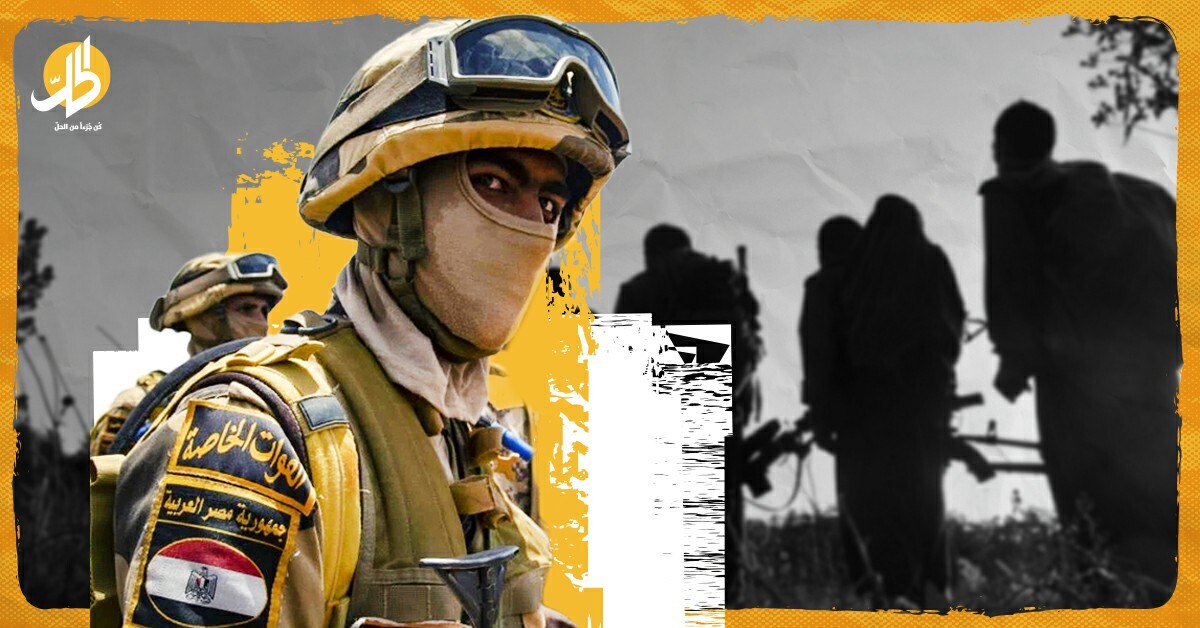
In recent years, Africa has become the continent most vulnerable to the threat of terrorism in the world, with major growth in terrorist organizations such as ISIS and al-Qaeda. These groups have managed to seize vast areas in a number of African countries and have carried out bloody attacks that have killed thousands of civilians.
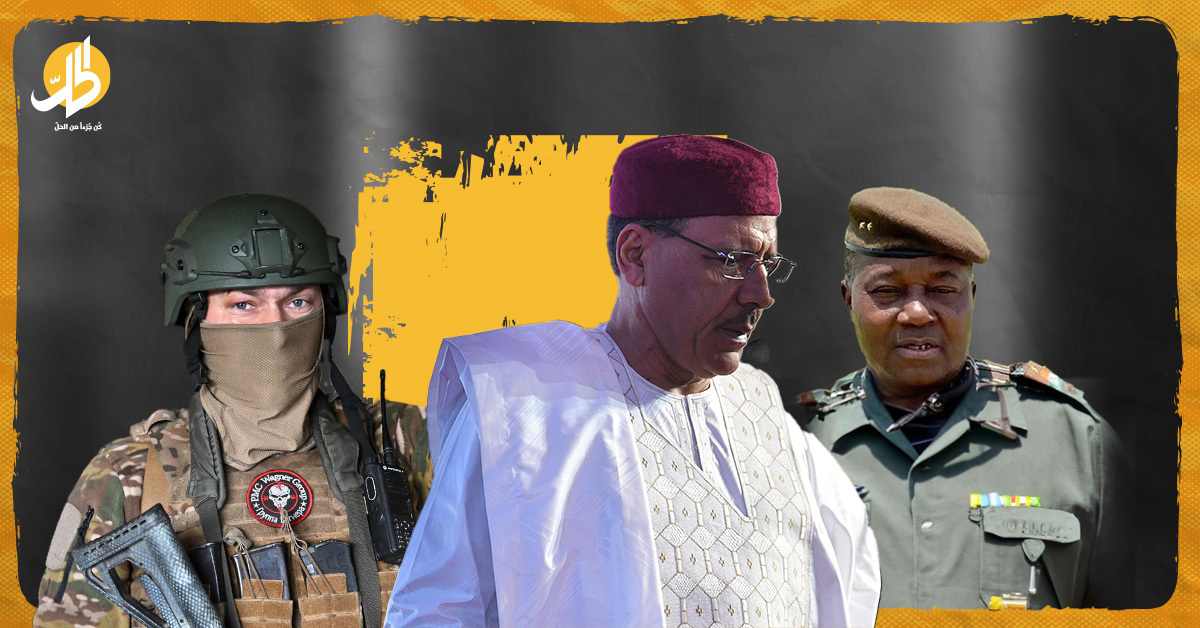
Amid a landscape fraught with challenges, Africa is engaged in a fierce battle against dangerous terrorist organizations seeking to divide the continent and drain its resources, with support from outside actors such as Russia’s Wagner Group. In this context, questions are being raised about whether the continent can be rescued from this clear danger, and whether an African army can play a decisive role in confronting the darkness of terrorism and extremism.
In this regard, the evidence suggests that the Egyptian army has the capacity to do so. In recent years, it has achieved a number of victories against terrorist organizations in North Africa. These victories have helped curb their influence in the region and force them into retreat. But the question remains: can the Egyptian army play a role in saving Africa from terrorism?
Egyptian Support in the Fight Against Militants
Past experiences in North and southern Africa have shown that peaceful approaches do not succeed when armed insurgent groups are growing stronger and taking control of territory. These groups continue to spread chaos and threaten the security and stability of the continent.
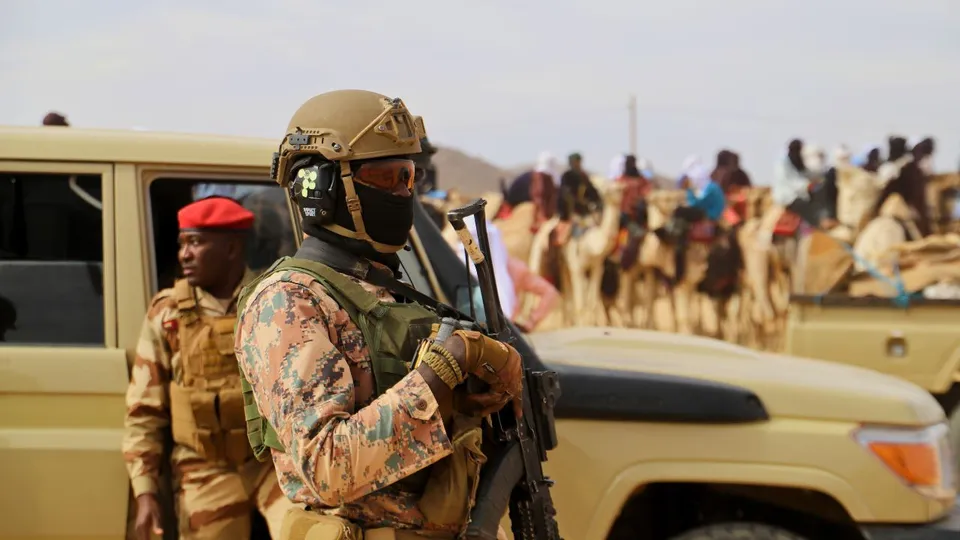
Egypt’s experience stands out clearly as a rich source of lessons that can be applied in West Africa and other parts of the continent exposed to the influence of terrorist organizations. The anti-terrorism and counter-extremism strategies adopted by the Egyptian army embody successes and victories that could become a driving force for other African countries.
As the darkness of terrorism advances across the continent, the desire has grown among a number of African states—some of which have managed to repel it and contain the expansion of terrorist organizations, while others are struggling amid overlapping crises to confront this danger. This has fueled a desire to exchange expertise and equipment and secure a future that guarantees success and leaves terrorists with no foothold in African countries.
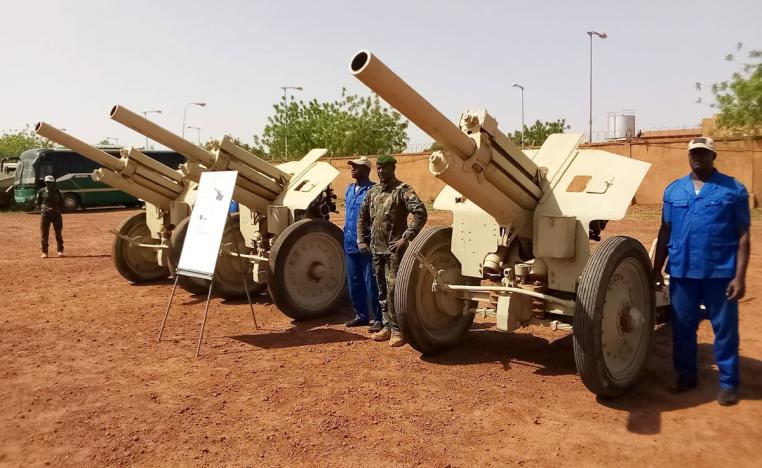
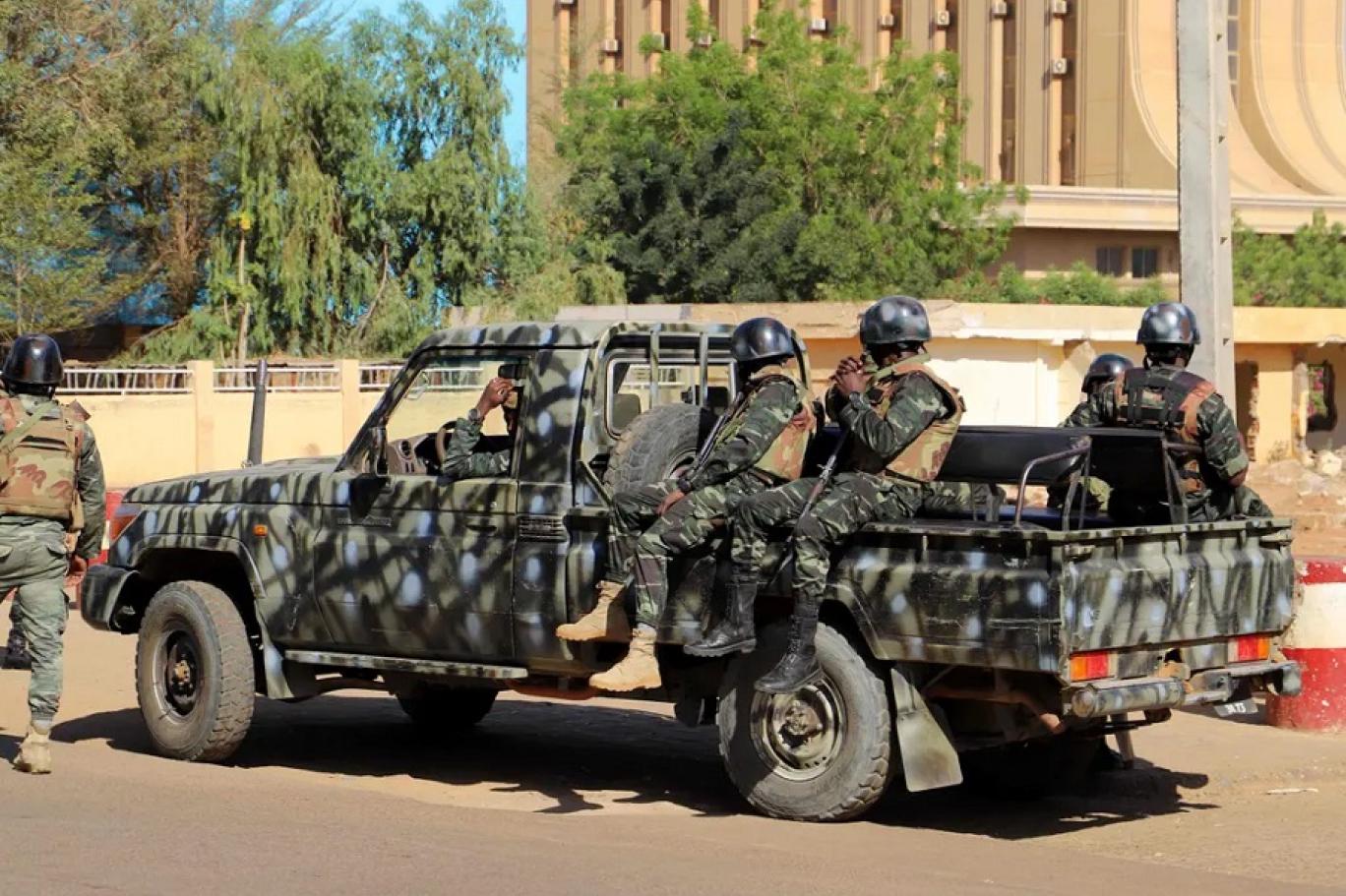
In recent days, Niger has received shipments of heavy weapons and armored vehicles from Egypt for use in fighting extremist takfiri groups. Nor is that all: other countries in the western Sahel and south of the Sahara have also moved to increase and reinforce their forces to confront these terrorist gangs. These countries are seeking to benefit from the expertise gained by North African states that have achieved important victories over insurgent groups.
The military authorities in Niamey, in particular, received 30 armored reconnaissance vehicles of the BRDM-2 type, around 20 mortar rounds and a 122 mm artillery piece, more than 2,000 automatic pistols and AK-47 assault rifles, in addition to ammunition, from the Egyptian army.
Meanwhile, the European Union announced last Wednesday that it was stepping up its military support to fight extremist groups. EU foreign policy chief Josep Borrell said during a visit to Niamey that Niger would be the first African country to benefit from European assistance to equip its forces with lethal equipment, especially advanced ammunition for combat helicopters.
Egyptian cooperation with Niger has taken the form of training special forces in the Nigerien army, within a difficult and complex security framework, as Defense Minister Alkassoum Indatou said. The danger facing his country is not limited to threats posed by groups linked to ISIS and al-Qaeda, but also includes challenges from armed gangs and jihadist groups such as Boko Haram and ISIS, which are active along Niger’s borders.
Africa Caught in a Pincer
Available information indicates that the caliphate project that Salafi-jihadist groups had sought to establish in Egypt and North African countries shifted to West Africa and the Sahel after failing to achieve its goals in the first region between 2013 and 2018. These groups adopted the Taliban insurgency in Afghanistan as a model for their activity and expansion in the new region.
After years of field confrontations, Arab countries in North Africa succeeded in implementing a strategic plan that wore down terrorist formations, dismantled their networks, severed their external ties, and shut off their channels of financial and military support. As a result of these concerted anti-terrorism efforts, the Arab world saw varying declines in violence and a reduction in the threat posed by these organizations.
The main plan of ISIS was to establish a caliphate in Libya, drawing support from the global jihadist movement and bringing in Libyan and Tunisian fighters from Syria. Thanks to these efforts, the organization managed to control some areas in northern and central Libya for two years.
Nigeria is the main force in the Joint Task Force, which Niger has joined. Although it has killed many Boko Haram leaders and forced many insurgents to surrender, it still faces a major challenge in reclaiming vast areas in the country’s northeast from the terrorist group’s control. This allows the group to continue launching cross-border attacks into Niger, Chad, and Cameroon, with attacks even reaching central and southern Nigeria.
This situation has left Niger caught between a rock and a hard place, especially after the security situation worsened in the tri-border area between Mali, Niger, and Burkina Faso, where jihadist groups regained their confidence and strength and took control of most areas in neighboring Mali and Burkina Faso. These groups have displayed extreme brutality in crimes against civilians, forcing thousands to flee, especially from Tessit, Talataye, Ansongo, and Menaka, in order to seize property and control border villages and towns.
The majority of African countries, especially those where militants control vast areas of territory, have become acutely aware of the urgent need for close cooperation with North African states, particularly Egypt, which faced similar challenges in the past and succeeded in clearing areas of Sinai in the east of the country of al-Qaeda and ISIS. These countries are seeking to benefit from Egypt’s successful experience in confronting terrorist organizations and extremism.
But Egypt’s role has not been limited to helping Niger alone. Egypt has also shown support for Nigeria in strengthening its capabilities to combat terrorism and extremism in Borno State in the northeast of the country. As part of global counterterrorism cooperation, Egypt actively participated in meetings of the Global Counterterrorism Forum, held with the participation of the European Union last May, when it was handed the forum’s co-chairmanship.
Saving Africa from Terrorism Is No Easy Mission
It appears that ISIS, which is competing with al-Qaeda, is taking advantage of this opportunity and seeking to expand into the Gulf of Guinea after seizing many areas in Mali and Burkina Faso. Its ultimate goal is to reach the coast, leaving terrorism and destruction in its wake.
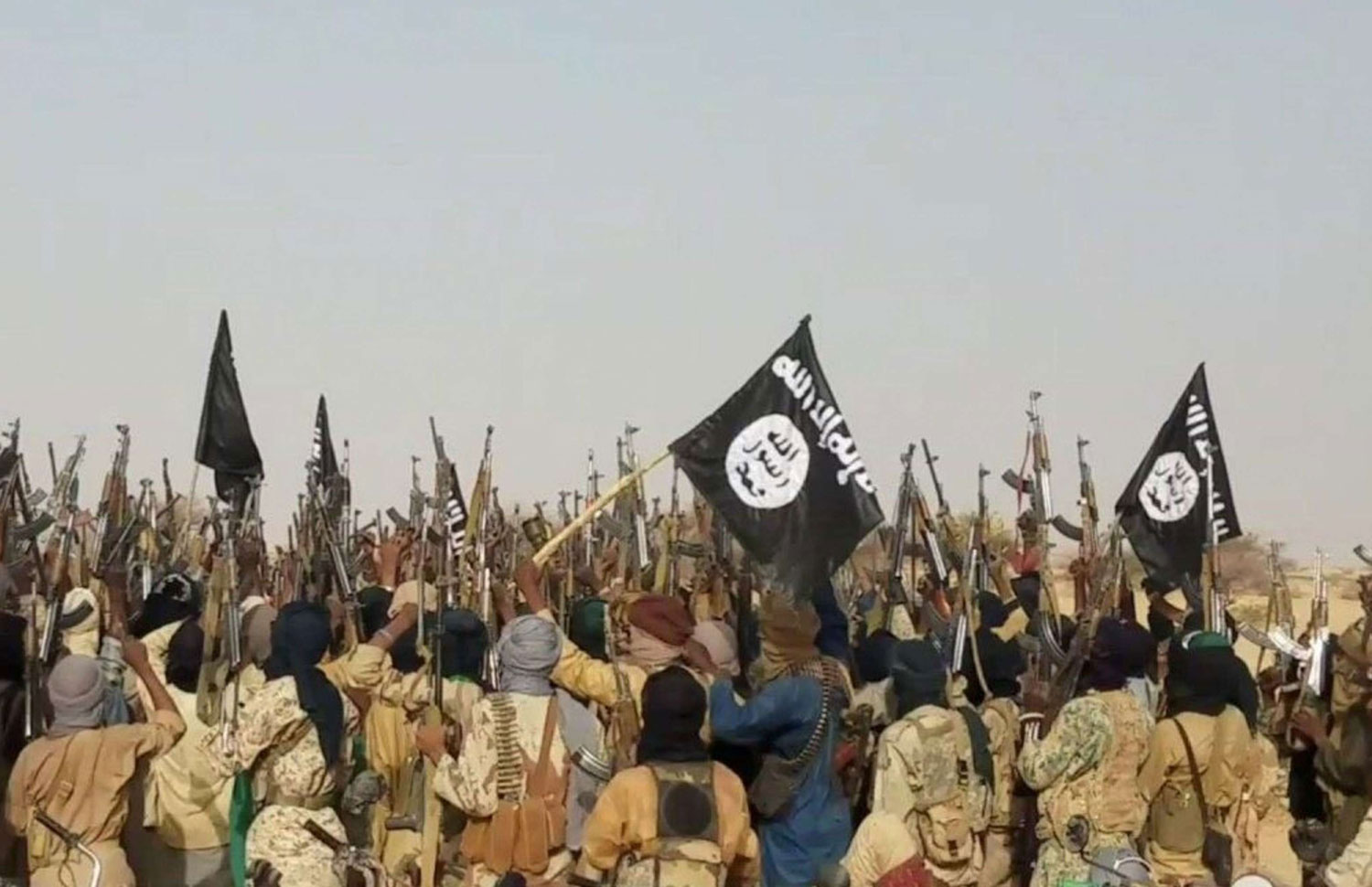
Leaders of African countries are facing an exceptional challenge as ISIS advances in the west of the continent, and it has become clear that an alliance with the Russian Wagner Group cannot serve as an effective substitute for international forces.
Researcher and Middle East military affairs specialist Iyad Maalouf told Al-Hal Net that the armed groups controlling parts of Africa undermine the success of peaceful approaches to combating extremism in several ways. First, these groups impose control over local populations, making it difficult for governments to reach them and provide services.
These groups also launch attacks on civilians, creating an atmosphere of fear and terror and making people more vulnerable to joining armed groups. In addition, they receive funding and support from abroad, allowing them to continue fighting.
According to Maalouf, the Egyptian army has lived through these challenges in its domestic experience in Sinai and in its broader confrontation with ISIS in the region, including Tunisia, Libya, Syria, and Iraq. It can translate its expertise in combating extremism into cooperation with other African countries in several ways.
The Egyptian army can provide military support to African governments fighting armed groups, especially since Egyptian forces have gained extensive experience through war in using modern weapons and equipment and managing military operations in desert and rugged terrain.
The website Global Firepower ranked the world’s strongest armies for 2023, placing the Egyptian army first among Arab and African armies and 14th globally. Maalouf says this underscores Egypt’s ability to train African military personnel in counterterrorism and provide intelligence support to African governments fighting armed groups.
ISIS and al-Qaeda are powerful terrorist organizations capable of carrying out attacks anywhere in the world. They also enjoy financial and military support from outside states. The Egyptian army therefore faces no easy task, according to Maalouf, who believes that if it takes on a larger role in fighting terrorism, it would strengthen its influence in the region and deepen African governments’ reliance on it. That is not what private military groups such as Wagner want, as the situation in Africa suits them and allows them to continue looting natural resources there.
A Game of Push and Pull
Events in recent months in Mali have shown that the country has surrendered to the forces of extremist jihad, becoming a key hub for the organization’s spread in the region. The progress made by the terrorist group in Mali is due to the departure of Western military forces, followed by the withdrawal of the UN mission MINUSMA, which weakened the military regime that seized power and left it unable to deal with the repercussions of the worsening situation because of its alliance with Moscow and Wagner.
ISIS has entrenched itself in key strategic areas, especially in the notorious triangle between Mali, Niger, and Burkina Faso near the Nigerian border. This triangle is a vital corridor for smuggling goods, weapons, armed insurgents, drugs, and migrants across borders. All of these activities are major sources of income for takfiri groups.
Wagner’s presence in Africa, Maalouf says, will pose several challenges to cooperation among African states in combating extremism. One is weak coordination between states, as Wagner will work to pressure coup-led military governments not to exchange information effectively. Political and economic disputes between states would then hinder cooperation efforts.
Chaos and turmoil are no longer confined to Mali alone; Burkina Faso has also recently fallen into this dire situation. Its military government controls less than half of the country’s total area, while insurgents and takfiri militants control many major cities and besiege hundreds of thousands of residents.
Military agreements with Moscow and Wagner have introduced new dynamics into the region. The intervention of these actors has complicated the security landscape and created competing interests among different external powers. It also raises questions about the long-term repercussions of such partnerships, including the possibility of expanding Russian influence.
The return of terrorist fighters to Africa poses a major danger not only to West and Central Africa, but also in terms of the organization’s return to places from which it had previously been uprooted. These fighters could return to North Africa, spread extremist ideas among young people, and recruit more youth into armed groups.
The capabilities the Egyptian army can offer in combating terrorism in Africa, along with the impact of mutual cooperation among African states in building a wall of resilience against terrorist threats, could make the Egyptian army a compass guiding Africa toward safety and stability. But with the presence of Russian forces in this strategic landscape, challenges may arise that hinder success in this vital mission.
- How the Houthis Are Choking Yemen’s Peace Efforts with a Broad Escalation on the Ground
- Economy in the Wind: How Yemenis Are Paying the Price of Disrupted Shipping Routes
- Houthi Summer Centers: Factories for Indoctrination and Raising a “Scream” Generation
- The “Coalition of Necessity”: What Costa Rica’s Terrorism Designation of the Houthis Signifies
- Mojtaba Khamenei Runs Iran from His Bed as Photos Vanish and the Supreme Leader Makes a “Voice-Only” Appearance