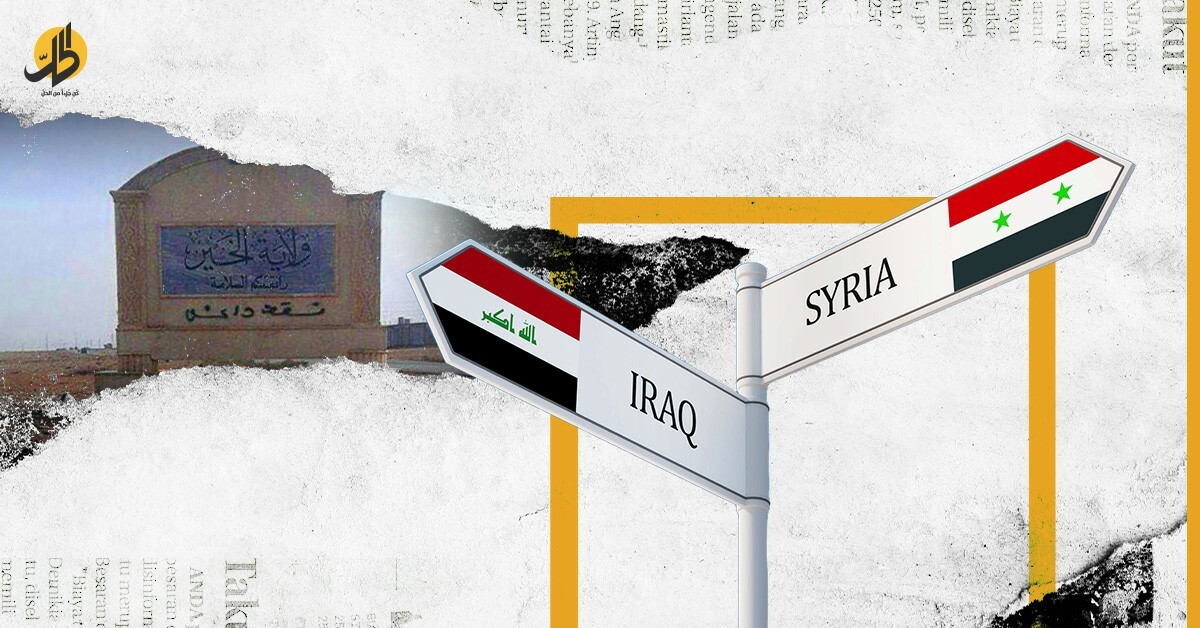
Local and external conditions are leading terrorist organizations to adapt and reposition themselves, including the terrorist organization “ISIS,” whose rate of activity in Syria and Iraq rose by 49 percent in 2023 compared with the previous year, according to a United Nations report attributed to the Monitoring Team concerning “ISIS” and “al-Qaeda.” In paragraph /2 b 41/, it states that the group has followed a strategy of planting mines, improvised explosive devices, and other remnants of war, and that it still poses a strong and persistent threat because of its decentralized structure and its ability to organize complex attacks. It also remains actively and operationally present and continues to retain combat capabilities despite the loss of its founding leaders.
Along the same lines, “al-Qaeda” still maintains closely linked and allied organizations, as well as partner groups that share the same goals, such as “Hay’at Tahrir al-Sham,” “Hurras al-Din,” and others. It even enjoys regional protection that grants it continuity, support, and survival in a country like Syria.
ISIS… Negative developments
Some developments have contributed to the continued presence of both organizations in Syria and Iraq. Foremost among them is that the core area in which the organization operates still suffers from political conflicts and regional tensions, resulting in a fractured internal security landscape that has created space for paid militias backed by certain states, as well as terrorist organizations that affect the region as a whole.
An organization like “ISIS” is trying to exploit Salafi-jihadist groups and organizations present in Syria, and most influential leaders are generally located in areas controlled by “Hay’at Tahrir al-Sham.” Evidence of this is the killing of three of the organization’s leaders in the area around Deir ez-Zor and Idlib.
Regional states, such as Turkey, continue to serve as a safe haven for organized members of these groups, while other states support them, especially in the strip controlled by Turkish forces in the city of Azaz and elsewhere. This has a broad impact on Syria and Iraq as a whole and on the security trajectory of the entire region.
With the events that took place in the Gaza Strip on October 7, it is expected that terrorist groups will be given room to return and attack US forces and others. This became clearly evident when “ISIS” published a video release produced by “al-Battar Media Foundation” titled “O People of Palestine, This Is the Only Solution,” in which it argued that jihad is the only path to liberating Palestine, and that such jihad is not religiously permissible behind apostate factions. It claimed that nine bullets should be reserved for apostates and only one for unbelievers, and that all the factions fighting in the Gaza Strip, foremost among them “Hamas and Islamic Jihad,” have deviated from the straight path of Islamic doctrine. It further claimed that the only solution for the “liberation of Palestine” lies in pledging allegiance to the organization’s emir and then fighting the apostates first, because the root of the problem lies in apostate rulers and peoples. It also said that the real fighting begins from within Arab states, naming some of them, including Egypt, Syria, Iraq, and some Gulf states.
On the third day of the “Hamas” movement’s operation against Israel, “ISIS” reposted a release titled “The Idol of the Palestinian Cause,” in which it spoke about the governments of Arab and Western states and said, “If you obey them, you are indeed polytheists,” and that the Palestinian cause has become like an idol worshipped besides God. It said that people should not follow their rulers because they are deviant Kharijites, according to the organization, and that the true formula for liberating the land is the “formation of new Islamic armies.” It added that the declaration of the caliphate came in accordance with this plan, not to champion a mere piece of land, but religion itself.
Iran, Russia, and Turkey benefiting from “ISIS”
The reasons that make the policies of some states incubators for terrorism in Syria and Iraq are numerous and overlapping. We are now faced with several forms of this, most importantly incubators of financial and logistical support. This has become clearly evident in the sending of money, weapons shipments, and other tools that help jihadist organizations move, as well as incubators for creating and training militias.
This was also evident in Syria through the dispatch of thousands of paid fighters and their organization into more than 30 terrorist factions, which falls under what may be called incubators of safe haven, training, and movement for terrorists. Turkey clearly represented this, as it was, at one stage, transporting them with full knowledge and allowing them to pass.
Writer Ahmed al-Khatib, a specialist in political Islam and head of the culture sector at the United Media Production Company, believes that some states have created incubators of tension and continue to push against ending it in countries such as Syria and Iraq, which also suffers from this, making it one of the main reasons for the continued existence of both “ISIS and al-Qaeda.”
Ahmed al-Khatib told “al-Hal Net” that Iran, for example, benefits from the presence of “ISIS” by using it as a justification for the spread of its affiliated militias in the Badia region and for the military build-ups it is amassing in Syria. This explains the movement of Esmail Qaani, commander of the “Quds Force” of the “Islamic Revolutionary Guard Corps,” in Syria (and reportedly in Lebanon as well). Since many suspicions surround an ambiguous relationship between the terrorist organization and the intelligence services of Damascus and Tehran, the movement of “ISIS,” despite the region being filled with Tehran’s militias, confirms how incubators for terrorism are created.
Moscow, like Damascus and Tehran, also benefits from the presence of “ISIS and al-Qaeda” in order to confuse US calculations and reshuffle the cards amid the declining capabilities of Russian military forces in Syria.
In the same vein, Moscow, like Damascus and Tehran, also benefits from the presence of “ISIS and al-Qaeda” in order to confuse US calculations and reshuffle the cards amid the declining capabilities of Russian military forces in Syria, whose best units were withdrawn to Ukraine. Directly or indirectly, Turkey also benefits from the pressure exerted by “ISIS” against Syrian forces in the region and from the spread of Iran’s militias there, against the backdrop of renewed tension in Ankara’s relationship with Damascus.
Within the same context, the presence of dozens of organizations allied and partnered with al-Qaeda and Salafi-jihadism also gives the central organization of “al-Qaeda or ISIS” a golden opportunity to move and re-form fleeing remnants and dormant sleeper cells. Researcher Ahmed Ban, a specialist in political Islam, believes that the absence of clear security coordination between Iraq and Syria has created room for movement along the border between the two countries and major transit points for latent terrorist groups. Thus, “ISIS” remains spread across safe havens that provide concealment from Iraqi government forces and the Popular Mobilization Forces in the provinces of Anbar and Nineveh and parts of Kirkuk, Diyala, and Salah al-Din in Iraq, in addition to centers inside Syria in the Syrian Badia and parts of the provinces of Deir ez-Zor, Raqqa, Hasakah, and Sweida, which shield it from Syrian forces as well as the “Syrian Democratic Forces” (SDF) and the US-led international coalition.
Ways to Confront It
To confront the dangers resulting from the continued presence of “ISIS and al-Qaeda” in Syria, researcher Ahmed Ban, a specialist in terrorist groups, said in a special statement to “al-Hal Net” that the deterioration of the nation-state structure, the gap between the demands of peoples and governments, and local and regional contradictions all feed into the narrative of terrorist groups. For this narrative to end, there must be high-level coordination regarding these organizations and militias and their strengths and weaknesses, as well as coordination in intercepting their communications, collecting and analyzing them, and then evaluating them in order to predict what they may do, especially with regard to methods of recruitment and enlistment, training locations, ideological references, sources of funding, armament, and logistical support, the social and tribal backgrounds of members and leaders, resolving the Syrian crisis, and expelling or handing over foreign fighters.
Most importantly, according to Ahmed Ban, is agreement on a reference framework for combating terrorism that ensures these organizations are not supported, employed, or exploited, whether in political problems or border disputes, and that they are not provided with safe footholds.
In sum, these incubators that support terrorism achieve a number of benefits, including economic interests such as the gas and water issue and its exploitation for border demarcation, as well as political interests. This is particularly evident in Iraq on the part of Iran, which benefits from the existing tension, and in Syria on the part of Turkey. At the same time, this gives an unprecedented opportunity to “ISIS and al-Qaeda” to exploit Iranian control and sectarianism in order to expand.
To confront the problem of the presence of “ISIS and al-Qaeda” in Iraq and Syria, it is necessary to support national efforts and end political tensions. This requires each state to get its affairs in order to deal with the situation according to its capacities, capabilities, the scale of the phenomenon, and the number of its members involved with these organizations, and to use the appropriate tools and mechanisms in accordance with legal standards, societal acceptance, and the economic situation, in a way that does not undermine security, social peace, and human rights.
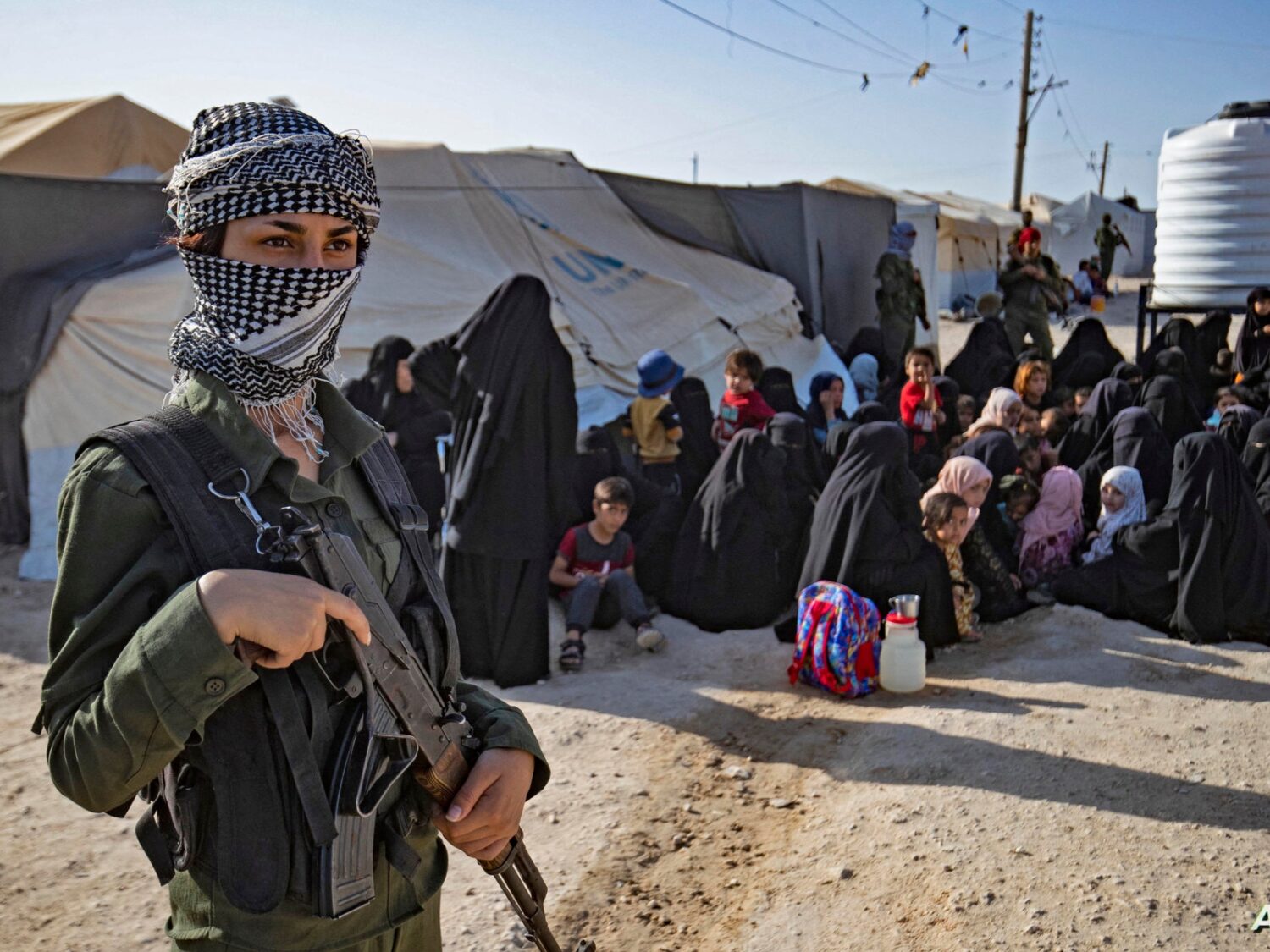
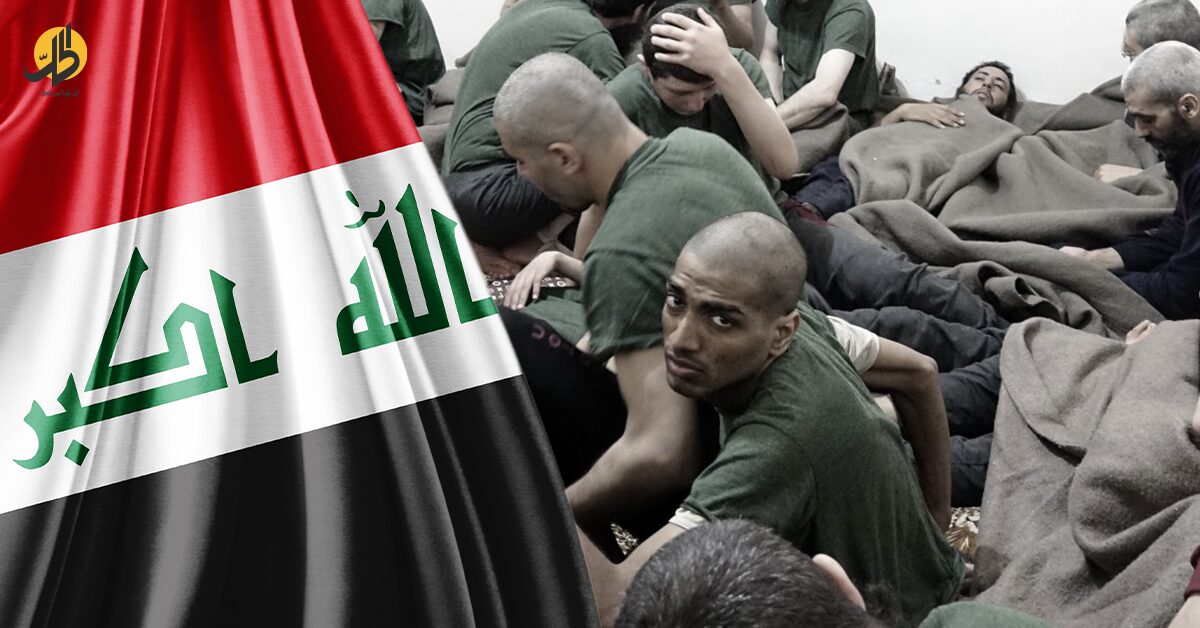
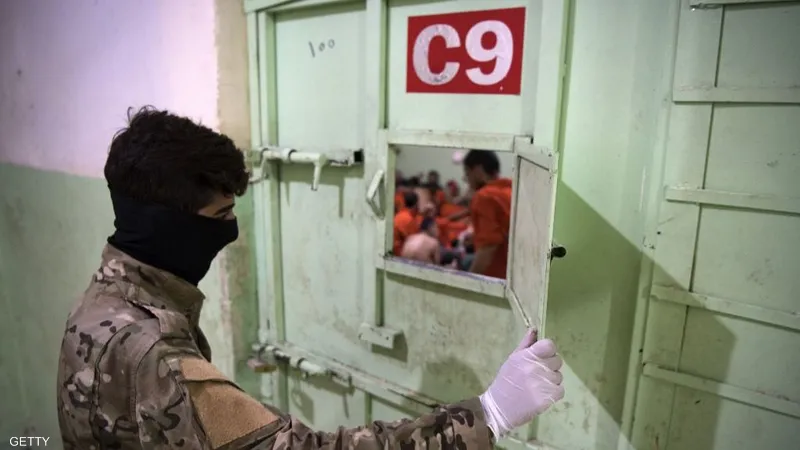
Likewise, an urgent and swift solution must be found for detainees held by the “Syrian Democratic Forces,” especially in the “al-Hol and Roj” camps, by returning them to their countries of origin, addressing the danger posed by returnees, the problems of radicalization and recruitment, and the exploitation of religious sentiment, according to a strategy based on remedial, preventive, and dismantling approaches toward these terrorist organizations.
- How the Houthis Are Choking Yemen’s Peace Efforts with a Broad Escalation on the Ground
- Economy in the Wind: How Yemenis Are Paying the Price of Disrupted Shipping Routes
- Houthi Summer Centers: Factories for Indoctrination and Raising a “Scream” Generation
- The “Coalition of Necessity”: What Costa Rica’s Terrorism Designation of the Houthis Signifies
- Mojtaba Khamenei Runs Iran from His Bed as Photos Vanish and the Supreme Leader Makes a “Voice-Only” Appearance