With the price of firewood rivaling that of diesel fuel as Syria’s cold winter approaches, some Syrian families are securing other means in the hope that they might protect them from the coming winter’s chill, especially after what they have experienced in recent years in terms of the failure to distribute subsidized heating diesel, the chaos in the prices of unsubsidized fuel, and the rising prices of firewood and other modern heating methods.
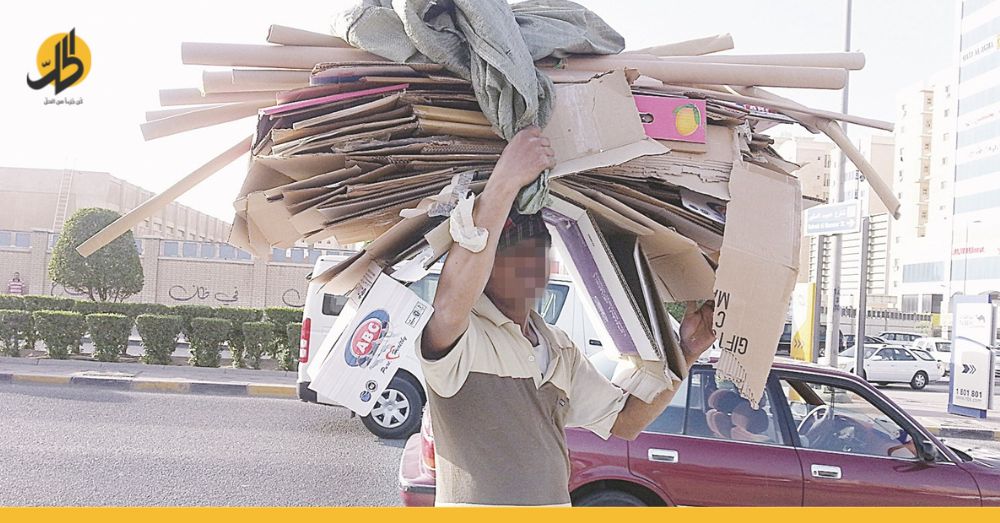
These new heating alternatives center on collecting unusual things that Syrians were not previously accustomed to, such as gathering “cardboard and dung cakes,” old clothes, as well as leftover tree branches, straw, and pine cones, amid the successive economic crises they are enduring.
Heating alternatives
In that regard, one citizen recently told “Al-Khabar Television” that some families collect “cardboard” and old clothes in order to use them for heating in winter. He added, “I saw children collecting cardboard from garbage containers, which shocked me at first,” adding, “I was waiting for one of my friends on a street in the city of Homs when I saw well-kept children who did not appear to be begging, collecting cardboard from one of the containers.”
The same citizen continued, “What I saw aroused my curiosity, so I had to ask them, and their answer was: we want to collect it for the winter. This scene took me back to last year, when one of the harsh cold spells was at its height and I saw a man in his sixties looking for paper and cardboard to gather in a sack behind his bicycle.”
For her part, Umm Ali, 60, who lives in one of the neighborhoods of Homs, told the local website, “Last winter, I was forced to burn an old shoe in the bathroom heater to heat water, as there was no electricity and even diesel was unavailable,” while noting that she “decided this summer to collect dry tree branches near the house, along with some paper, cardboard, and old clothes, in addition to straw and pine cones from one of the city’s parks, in preparation for the coming winter.”
“We’ve gone back more than 40 years, to when our grandparents used to keep warm with cow dung,” said Abu Mohammad, 62, a retired farmer living in the Hama countryside, in remarks to the same website.
Abu Mohammad added, “Despite the high costs of raising cattle, I tried to bear them in order to benefit from their manure in fertilizing the land in the past, but since last summer I have started collecting it and drying it so I can make dung cakes.” “Dung cakes” are discs of manure dried under the sun, characterized by burning quickly and giving off heat, and they are used in wood-burning stoves, according to Abu Mohammad.
Abu Mohammad also explained that he “was forced to do so because I could not collect firewood, in addition to the significant decline in forest cover after fires and excessive logging. As for diesel, 50 liters cannot last a week against the cold of the mountains of Masyaf.”
A booming firewood market
By contrast, firewood prices have seen a major increase even before winter begins, with the price of a kilogram of firewood reaching more than 2,000 Syrian pounds, while the black market for diesel has also taken off, with one liter reaching 13,000 Syrian pounds.
According to another report by the local website “Athr Press,” the price of a ton of lemon and oak firewood reached 3.2 million Syrian pounds, while the price of a ton of pine firewood reached 3.4 million, up from 1.5 million Syrian pounds two months earlier.
One firewood seller attributed the rise in firewood prices to increased demand from residents, as well as transport costs from the provinces to Damascus, noting that prices in winter will be double. For this reason, families, especially those living in the Damascus countryside, have begun buying firewood from now.
Meanwhile, many residents of Homs governorate expressed fear that they would not receive their allocations of heating diesel this year, especially since many of them did not receive a single liter of diesel last year.
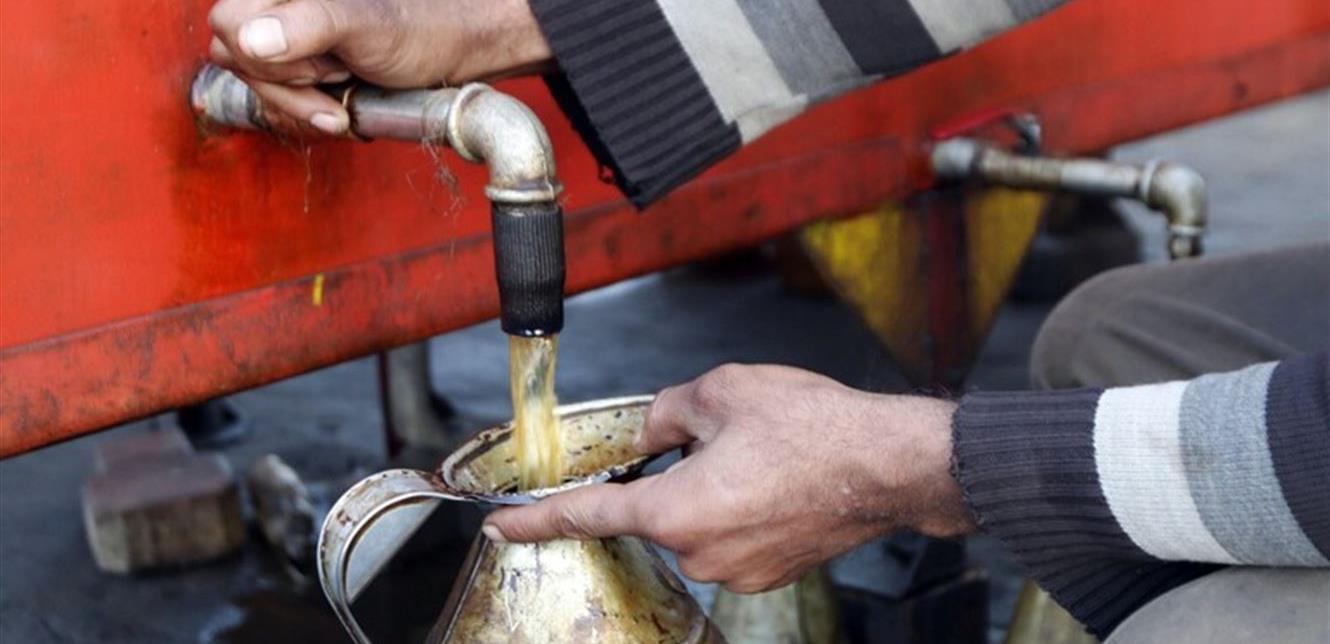
Residents pointed out that the price of a 20-liter diesel canister currently, before the arrival of winter and the cold season, exceeds 300,000 Syrian pounds on the black market, meaning that the price per liter amounts to more than 15,000 Syrian pounds, and wondered what price a diesel canister on the black market would reach during the cold season.
Last year’s distribution plan was shameful, because a large percentage of families did not receive their 50-liter allocation until after winter had ended, while 10 percent of Syrian families remained beyond the reach of distributors, according to previous local reports.
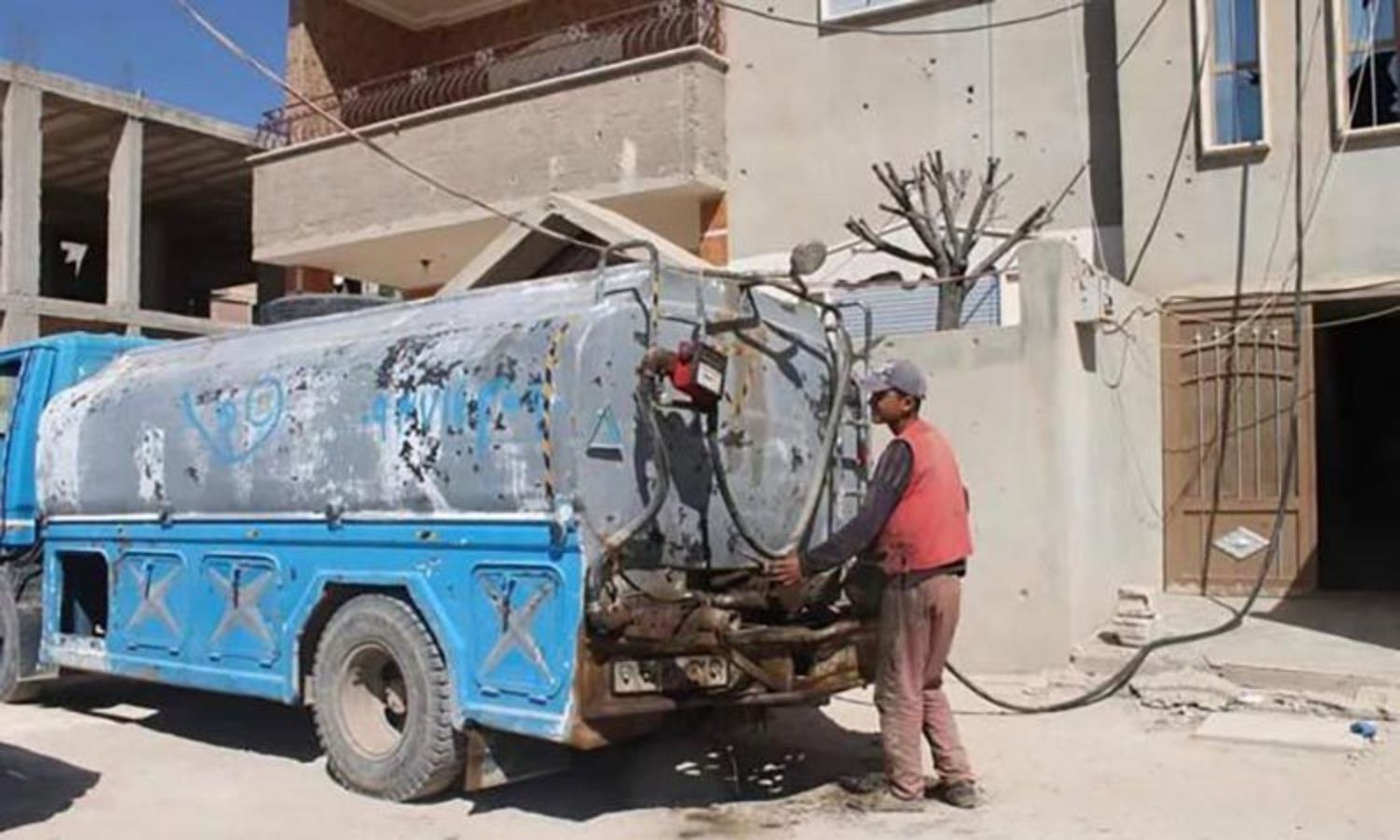
Different local sources said otherwise, indicating that more than 25 percent of Syrian citizens did not receive their heating diesel entitlements during the past year and had to buy their needs from the black market, which imposed tremendous economic burdens on them.
Therefore, any delay in the diesel distribution process will force a large percentage of residents to abandon diesel heaters and use wood-burning stoves. A large percentage of people also automatically rely on firewood as a means of heating, given that heating diesel allocations are insufficient on the one hand, and their inability to buy diesel at the unsubsidized price on the other.
The Syrian government distributes heating diesel in two batches, each consisting of 50 liters, and citizens say that this quantity is only enough for 3 weeks or one month if the family rations its consumption.
Heater alternatives
As a result of the rise in the prices of subsidized and unsubsidized diesel, alongside the inadequacy of heating allocations, many people have again been driven this year, as in the past two years, to search for alternatives that are less costly and more available.
According to a report by the local website “Athr Press,” the prices of heating alternatives this year have reached high levels. The price of a kilogram of pellet fuel reached 3,500 Syrian pounds, while the price per kilogram of almond-shell pellets was 2,500 pounds, and the price per kilogram of olive pits reached 4,000 Syrian pounds. The price of one kilogram of both olive pomace (tamz) and apricot pits was 4,000 pounds.
Meanwhile, the prices of pellet heaters ranged between 1.4 million and 2.8 million Syrian pounds, depending on the size of the heater, while the price of a shell-burning heater exceeded 1.5 million Syrian pounds. Prices last year were as follows: a kilogram of pellets cost 2,000 pounds, a kilogram of almond and walnut shells 1,300 pounds, and one kilogram of olive pomace (tamz) 1,500 pounds, while heater prices were around 1.3 million Syrian pounds.
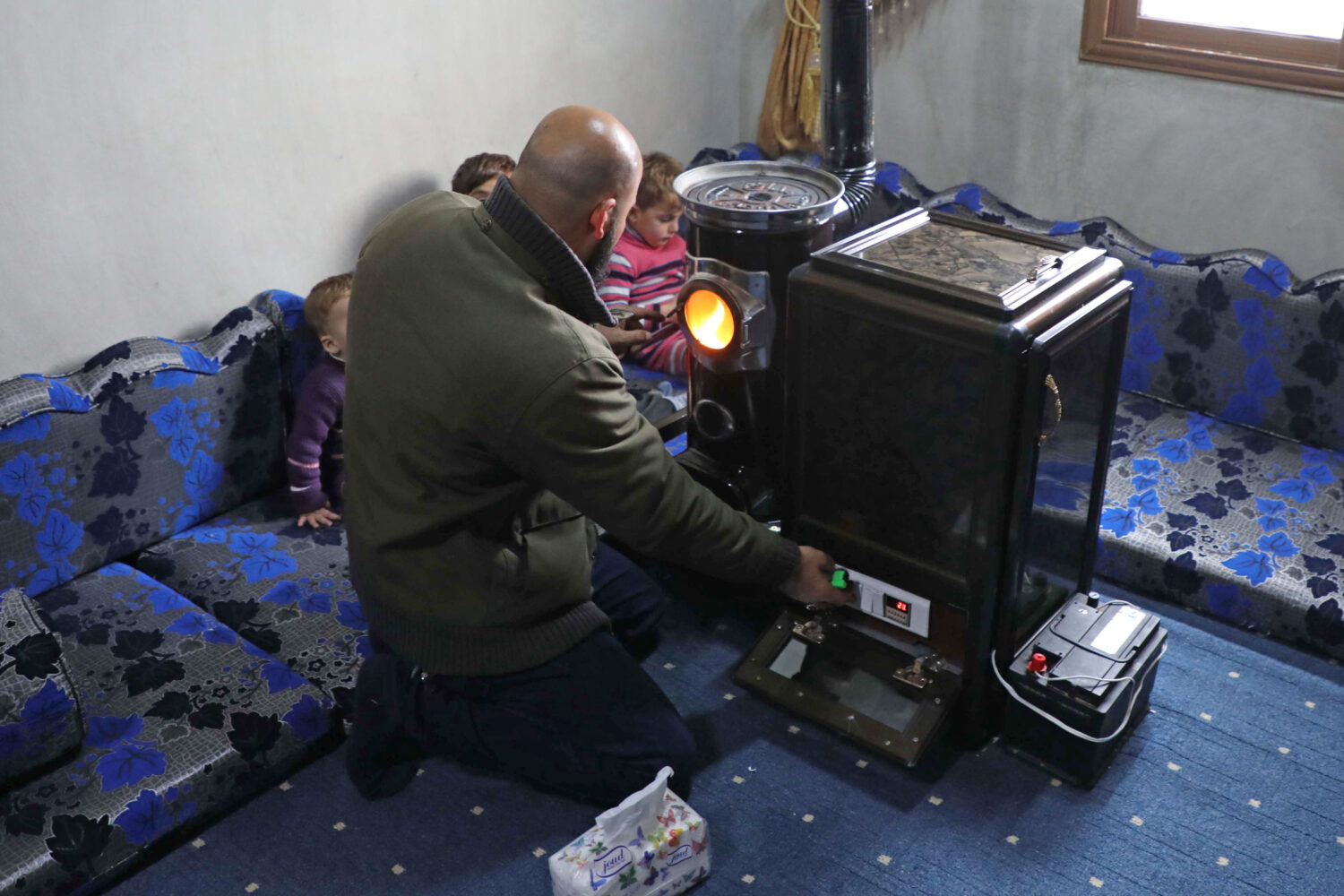
For his part, agricultural expert Akram Afif confirmed that whoever develops a heating alternative studies it in terms of the material’s effectiveness and the type of heater that will be used, after which the process of making use of available agricultural materials and manufacturing them begins. He added that pellet fuel relies on recycling, as it is made from the remnants of tobacco, corn, okra, cotton, and other plants, compressed into an alternative heating material. It is not harmful to the respiratory system depending on the extent of combustion, whether in large or small quantities.
- How the Houthis Are Choking Yemen’s Peace Efforts with a Broad Escalation on the Ground
- Economy in the Wind: How Yemenis Are Paying the Price of Disrupted Shipping Routes
- Houthi Summer Centers: Factories for Indoctrination and Raising a “Scream” Generation
- The “Coalition of Necessity”: What Costa Rica’s Terrorism Designation of the Houthis Signifies
- Mojtaba Khamenei Runs Iran from His Bed as Photos Vanish and the Supreme Leader Makes a “Voice-Only” Appearance