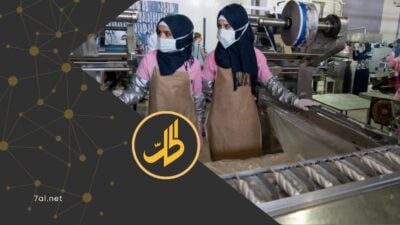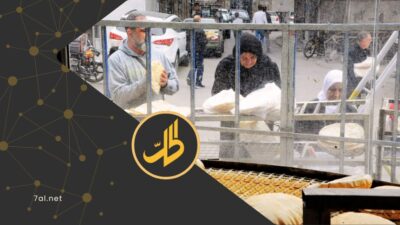
The latest figures from Syria show the scale of the gap between Syrians’ incomes and daily living costs in a country that has yet to recover from a long war, with around 80 percent of the population now living below the poverty line.
Despite salary increases, wages still fall far short of keeping up with rising prices, amid continued insecurity in some areas, difficulty accessing basic services, and high unemployment rates.
80 percent below the poverty line
Syria’s Minister of Social Affairs and Labor, Hind Kabawat, said in remarks to the Turkish newspaper “Nefes” that around 80 percent of Syria’s population lives below the poverty line.
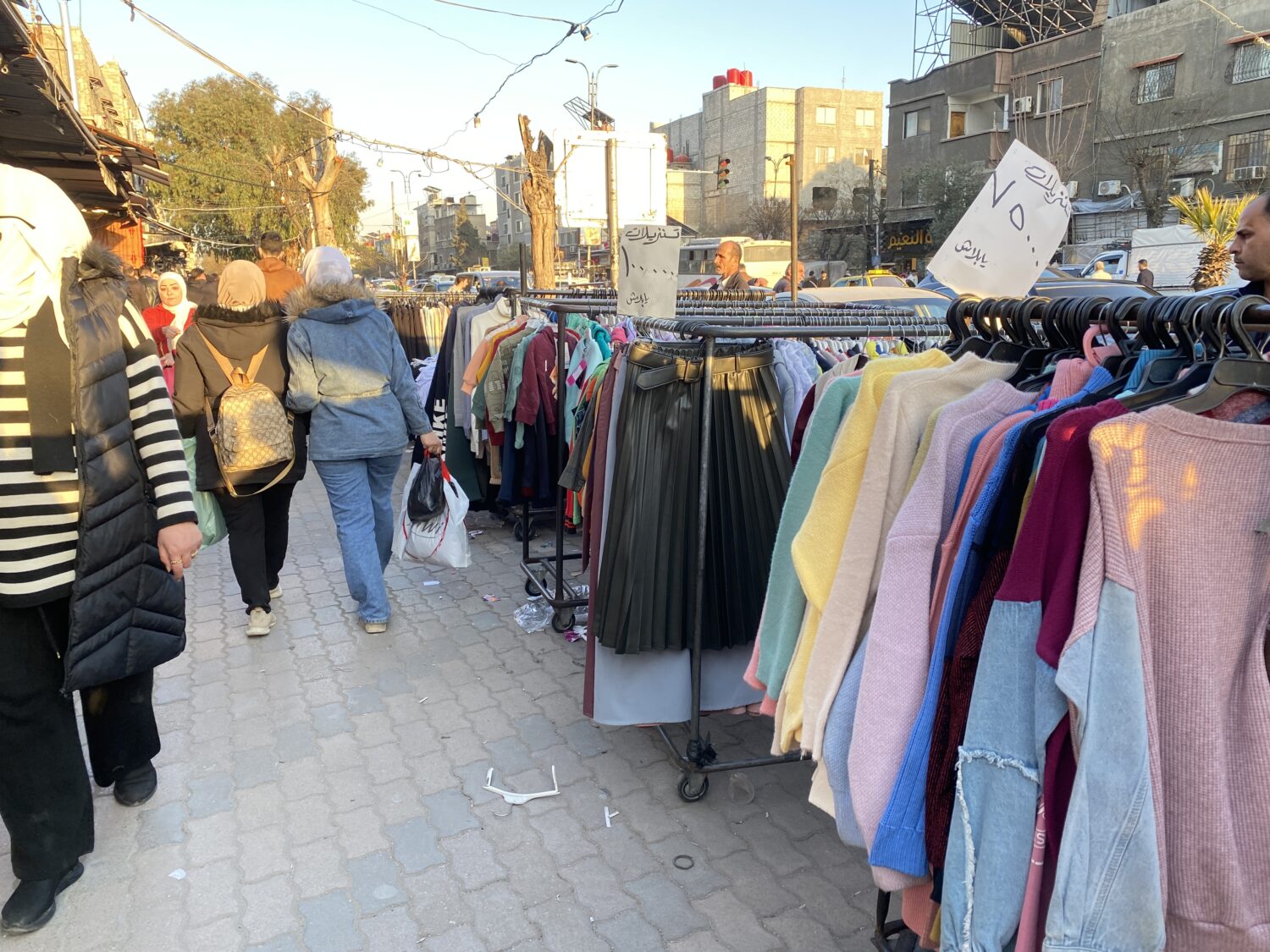
Kabawat explained that this deterioration came “as a result of the depletion of resources over the past years, especially after the Assad regime completely emptied the pension fund before its fall.”
Kabawat also revealed that salaries remain very low despite having recently been increased by 100 percent, ranging between $200 and $300, while average rent for a home in Damascus is around $1,000.
She pointed out that Syria still suffers from a very weak public transport system, stressing that reconstruction will take place gradually and in stages.
16.5 million people in need of assistance
UNHCR said in a report that Syria continues to face a large-scale humanitarian crisis, with an estimated 16.5 million people in need of humanitarian assistance in 2025, amid continued insecurity in some areas and difficulty accessing basic services.
The report added that following the political transition in Syria on December 8, 2024, more than 1.3 million Syrian refugees returned from host countries, while as many as 1.9 million internally displaced people have returned to their areas of origin since November 27, 2024.
The agency said it has gradually begun shifting toward facilitating voluntary return to Syria, and that this approach is based on the voluntary nature of return and on refugees’ own decisions.
According to the report issued by UNHCR on March 30, 2026, the total number of Syrians who have returned to their country since February 28 reached around 179,000, indicating an accelerating pace of return despite ongoing humanitarian challenges.
Syria at its highest poverty rate in modern history
Economic researcher Amer Kharboutli had warned in mid-February that Syria has reached its highest poverty rate in modern history, an unprecedented level “unseen at any point in its history,” noting that research centers acknowledge that the poverty rate is no less than 80 percent of the total population.
Kharboutli stressed in press statements that describing the current reality requires a precise diagnosis that separates emergency crises from structural imbalances, “which are fundamentally tied to the weakness of the Syrian economy, declining living standards, and the falling purchasing power of the local currency.”
Kharboutli believes that addressing Syria’s poverty trap requires a comprehensive, multi-dimensional approach that combines short-term interventions to rescue the poor through targeted financial support programs with long-term strategies to build capacity and promote inclusive and sustainable growth.
This warning coincides with international reports confirming the worsening humanitarian crisis in the country. In a report issued in June 2025, the World Bank said that around a quarter of سوريا’s population lives in extreme poverty, meaning on less than $2.15 a day, while about 67 percent of the population lives below the lower poverty line for middle-income countries ($3.65 a day).
- How the Houthis Are Choking Yemen’s Peace Efforts with a Broad Escalation on the Ground
- Economy in the Wind: How Yemenis Are Paying the Price of Disrupted Shipping Routes
- Houthi Summer Centers: Factories for Indoctrination and Raising a “Scream” Generation
- The “Coalition of Necessity”: What Costa Rica’s Terrorism Designation of the Houthis Signifies
- Mojtaba Khamenei Runs Iran from His Bed as Photos Vanish and the Supreme Leader Makes a “Voice-Only” Appearance