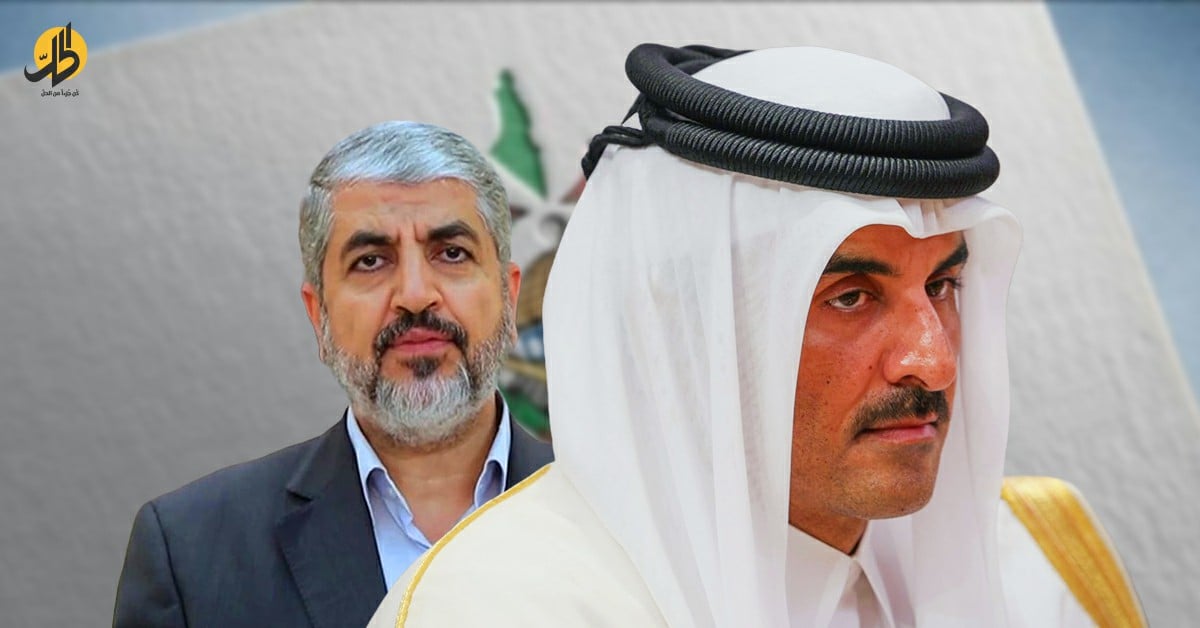
What had been expected has happened: speculation has turned into certainty and whispers into open statements, ever since it was announced that Qatar would soon close its door to “Hamas” and that a search had begun for a new future for its political presence away from Doha, where it had remained for nearly a decade. Doha’s suspension of its role as a mediator in negotiations over the Gaza war created pressures that made it impossible for “Hamas” leaders to remain on its territory, given that their presence there was tied to the success of Qatar’s mediation role. Consequently, that presence no longer serves any useful purpose, and the rationale for allowing the group to maintain an office in a Gulf state with strategic ties to the United States has come to an end.
According to sources cited by Reuters and Agence France-Presse, Qatar has withdrawn from its role as the main mediator in efforts to reach a ceasefire agreement in Gaza and secure the release of hostages, and informed “Hamas” that its office in Doha “no longer serves its purpose.” At the start of the week, the Qatari Foreign Ministry confirmed that mediation efforts between Israel and the movement are “currently suspended,” saying it would resume mediating ceasefire talks when “there is sufficient seriousness” to end the war in Gaza. It also said in a statement that reports claiming Doha intended to close Hamas’s political office were “inaccurate.”
Why Qatar Is Abandoning “Hamas”
The prospect of ending “Hamas”’s presence in Qatar did not come as a surprise, as it had been hinted at previously, especially when the prisoner-exchange deal became mired in crisis last April. At the time, reports circulated that “Hamas” was considering leaving its safe haven in the Gulf emirate, suggesting backstage pressure to push the movement—listed as a terrorist organization by several countries—to accept the negotiation track and avoid stalling or taking a hardline position. Doha, too, through Qatari Prime Minister and Foreign Minister Sheikh Mohammed bin Abdulrahman Al Thani, hinted that his country might review—or, in his words, “evaluate”—the mediation role it has been playing between “Hamas” and Israel.
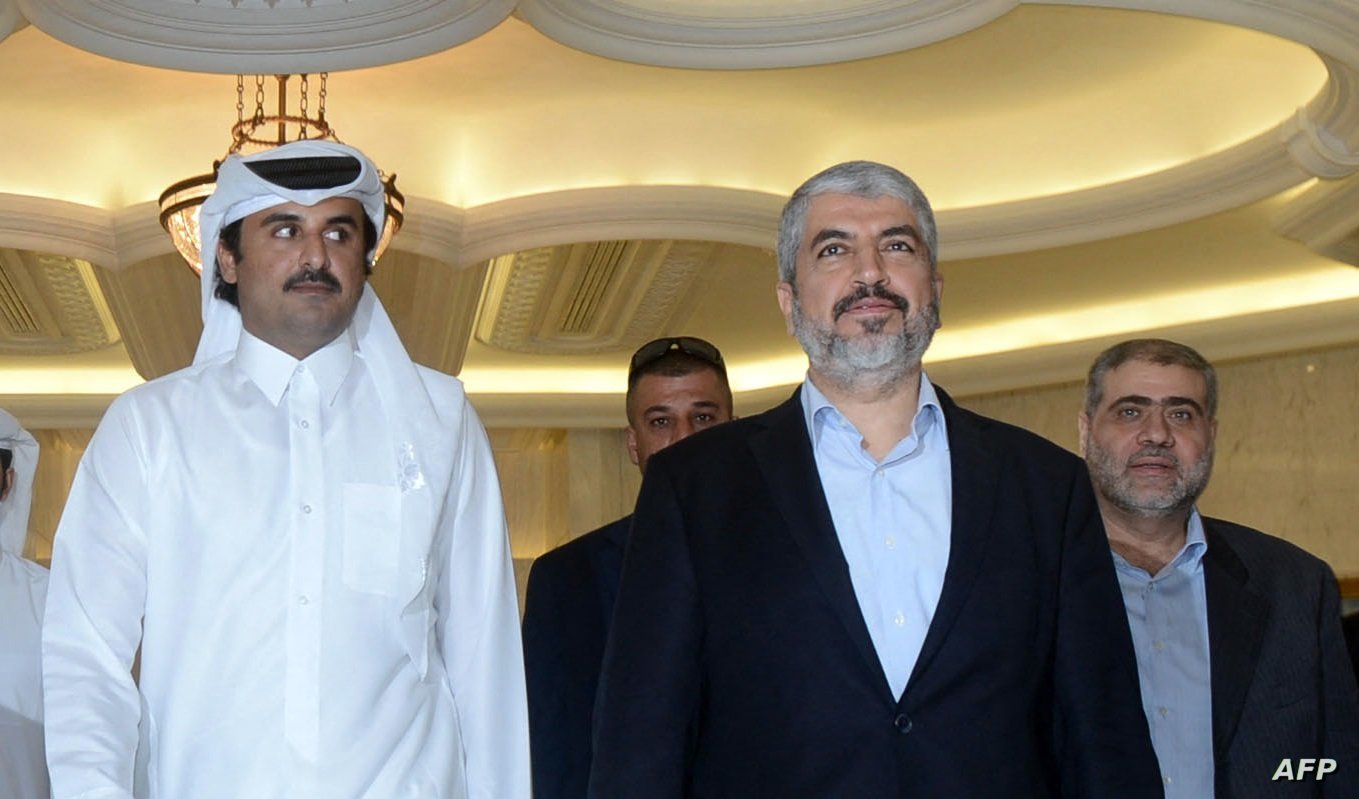
The Qatari official did not hide his displeasure at the consequences of this role, saying that “there is misuse of this mediation” and pointing to the “use of mediation for narrow political purposes.” But all of that returned to silence and remained like fire beneath the ashes, until a new round of conflict erupted while mediators continued trying to stop a war that is expanding and is close to becoming a broad regional war.
Within a month, it was notable that the Palestinian thinker Azmi Bishara appeared on Al-Araby Al-Jadeed TV. Bishara, widely seen as an influential architect of Qatari policy, did not hesitate to fault “Hamas,” arguing that the “resistance” had overstepped in its understanding of its role and stressing that it “cannot be a liberation strategy.” He also spoke about the October 7 operation last year, continuing his criticism by saying that it did two things, neither of which fell within the aims of a resistance movement: first, “it was offensive,” and second, it amounted to “a declaration of war.”
He said that Mohammed Deif’s speech in the aftermath of what became known as the “Al-Aqsa Flood” was “a declaration of war… and a miscalculation.” Bishara then spoke directly about the issue causing problems in the negotiations and in reaching a deal to end the war and secure a ceasefire, calling for the release of the Israeli prisoners and civilians held by “Hamas.” He said that among them were “pregnant women, elderly women, and children… especially since they are a burden”—meaning a moral burden. But up to this point, “Hamas” has continued to insist on a “permanent ceasefire,” a full withdrawal from the Strip, the return of the displaced, followed by the entry of aid and the start of reconstruction.
With this deadlock, and in light of various developments—the latest being the election of Donald Trump, who will begin a second non-consecutive term at the start of the new year—it appears that “Hamas” will leave Qatar after all attempts to persuade it to engage in negotiations, accept realistic political terms, and abandon a strategy that appears suicidal and zero-sum have been exhausted. It seems that Doha, like Cairo and other mediators, has failed to reach a formula with the movement and its representatives that would soften its negotiating conditions.
Changes Before Trump’s Arrival
According to Egyptian political science researcher Dr. Abdel Salam al-Qassas, Qatar, at the moment of Trump’s return to the White House, will not be in the same position it was under his predecessor. Rather, pressure on it will intensify, and it will in no way want its relationship with Washington to reach a “critical point.”
The political researcher told Al-Hal Net that the presence of “Hamas” in Qatar—or its departure from it—is “an American decision linked to Qatar’s role in mediation and negotiations, and Hamas representatives will not continue to enjoy safe haven in Doha while Qatar’s political capital is being spent for nothing in return.”
Doha’s negotiating role with “Hamas” resembles roles it has played previously under U.S. auspices, most recently with the Taliban. But this time matters appear more complicated, and there are other political factors that may alter the movement’s political mood or push it toward more hardline and extremist tendencies, especially with Iranian influence operating through proxies, including “Hamas” and Hezbollah in Lebanon. For this reason, Doha faces enormous challenges in dispelling suspicions of collusion with Iranian interests managed by Tehran through “Hamas,” according to al-Qassas.
Arrangements for “Hamas”’s departure are already underway, before Trump returns to the White House, but “reality indicates that the absence of political and financial protection for the movement will mean a shrinking of its political and security influence, which will result in undermining its role in Gaza.”
An Arab diplomatic source told Al-Hal Net
There have also recently been accusations by the United States and Israel that Doha is not fully playing its role in pressuring Hamas to free civilian hostages and that it supports the movement financially and politically, which has brought the relationship between Hamas and Doha to a breaking point, al-Qassas says.
The political science researcher also says that, with Trump returning to the White House, Doha needs to rehabilitate its image in the face of those accusations and distance itself from any appearance of “collusion.” He added that the earlier warning voiced by U.S. Secretary of State Antony Blinken could turn into something more than mere pressure, and that the Gulf emirate is signaling to the movement’s representatives that there will be a price to pay for their hardline stance—and that they will inevitably lose the financial and political support and safe haven available in Qatar.
Middle East expert Sanam Vakil shares the same view, saying that Qatar will “clearly decide its priorities” in its relationships, arguing that the Qataris’ ties and their “investment in bilateral relations with Washington will outweigh any other relationships in the region.” She adds: “For Washington, it is also useful to know that one of its partners is capable of communicating through back channels.”
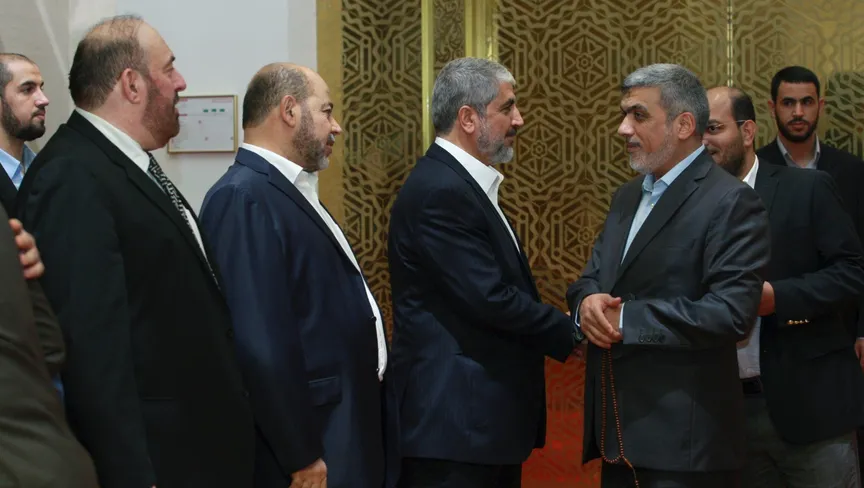
According to Alhurra, Vakil—deputy director of the Middle East and North Africa Programme at the London-based Chatham House—expected Qatar to take “some steps” to reassess its relationship with “Hamas” and, over time, distance itself from that relationship. But she pointed out that “this will require the international community and the United States to have a plan to address the issue of Palestinian self-determination.”
So we are at a crossroads in the relationship between “Hamas” and Qatar, and its departure now appears imminent. This also means that the path of escalation is likely to continue along its complicated course, with little flexibility on ceasefire negotiations, the release of hostages, and ultimately agreement to a ceasefire.
Hamas’s Political Horizon Narrows
According to an Arab diplomatic source, arrangements for “Hamas”’s departure are indeed underway before Trump returns to the White House, but “reality indicates that the absence of political and financial protection for the movement will mean a shrinking of its political and security influence, which will result in undermining its role in Gaza and its future—beginning with its positioning for the day after the war and ending with the erasure of any connection it has to the Strip and its administration at any level.”
The source, who preferred not to be named, told Al-Hal Net that there is a “radical reversal of all previous calculations with Donald Trump’s return and the policy of maximum pressure on Tehran, which will affect its proxies and areas of influence. Meanwhile, Hamas is persisting in a limited understanding of the situation rather than thinking realistically and pragmatically. If it leaves Doha, this will mean the narrowing of Hamas’s political horizon amid obstacles that will make it difficult for many Arab capitals to receive it.”
He pointed out that “a politician’s mistake becomes grave the moment he becomes a victim of illusions of excessive power. Possible and missed opportunities then become signs of the end without him realizing it. While Hamas is thinking about buying time, it is not listening to mediators who are telling it that this time is counting against its future in Gaza as much as it counts in the negotiations.”
According to Alhurra, a Qatari official told the Financial Times, speaking on condition of anonymity, that “Washington first asked Doha to open indirect channels in 2006, after Hamas won the Palestinian legislative elections.” He continued: “Hamas’s political office has repeatedly been used in major mediation efforts coordinated with multiple U.S. administrations to promote stability in Gaza and Israel.” For years, “Qatar provided financial support to the Gaza Strip, which is controlled by Hamas and has been under Israeli blockade since 2007. Officials in Doha confirmed that this took place in full coordination with Israel, the United Nations, and the United States.”
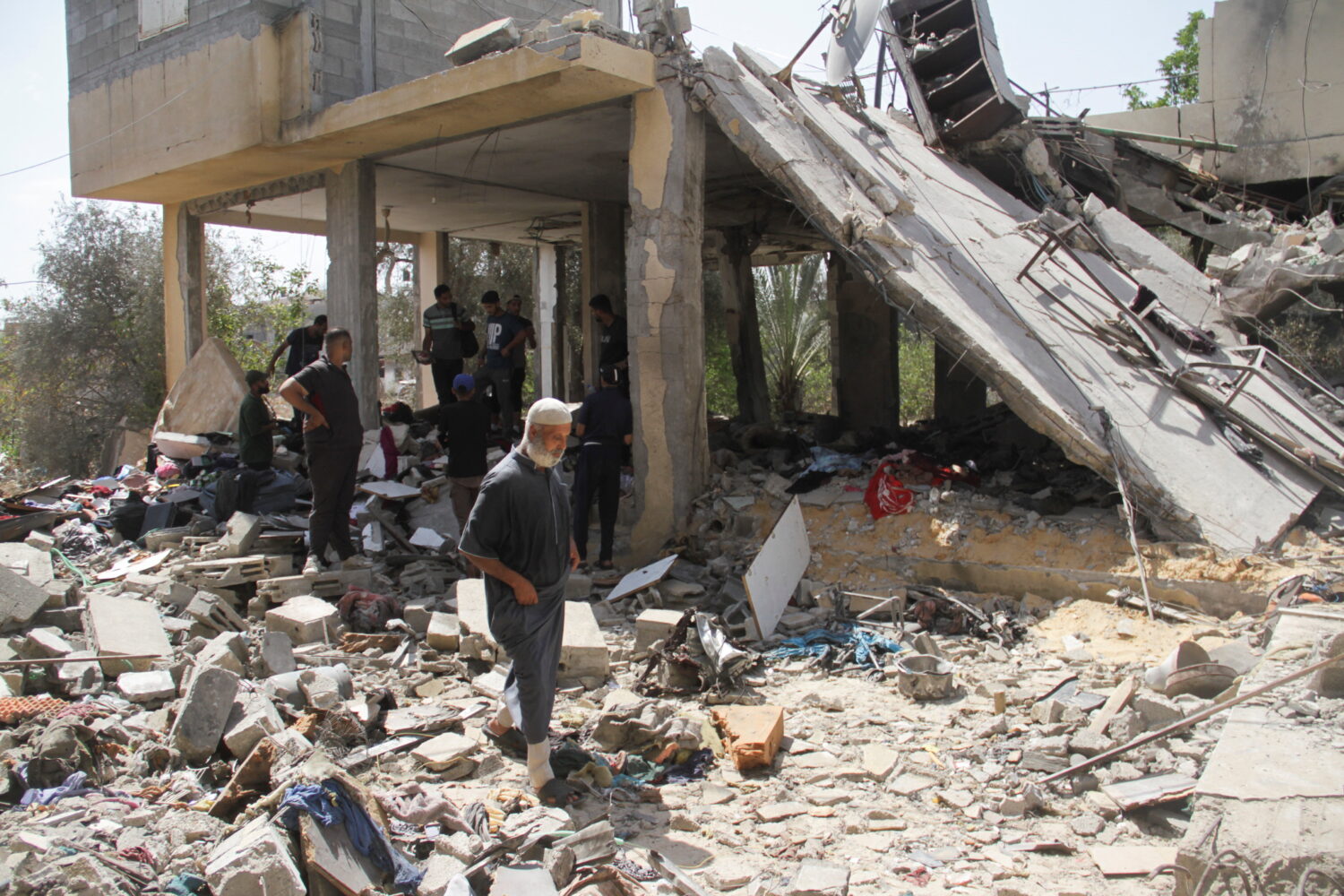
It also quoted Gulf affairs expert Andreas Krieg of King’s College as previously saying that the war between “Hamas” and Israel could push Doha to scale back its relationship with the movement under U.S. pressure.
He said in an interview with Agence France-Presse that Doha may continue hosting Hamas’s office, but it needs to maintain a certain distance between Hamas’s leadership and Qatari decision-makers. Krieg explained that Hamas’s political office in Qatar was established in the wake of the 2011 Arab Spring uprisings amid U.S. concerns that the movement might set up bases in Iran or Lebanon. He noted that expelling Hamas leaders from Doha would create a similar situation in which Western countries would lose “oversight and control” over them.
- How the Houthis Are Choking Yemen’s Peace Efforts with a Broad Escalation on the Ground
- Economy in the Wind: How Yemenis Are Paying the Price of Disrupted Shipping Routes
- Houthi Summer Centers: Factories for Indoctrination and Raising a “Scream” Generation
- The “Coalition of Necessity”: What Costa Rica’s Terrorism Designation of the Houthis Signifies
- Mojtaba Khamenei Runs Iran from His Bed as Photos Vanish and the Supreme Leader Makes a “Voice-Only” Appearance