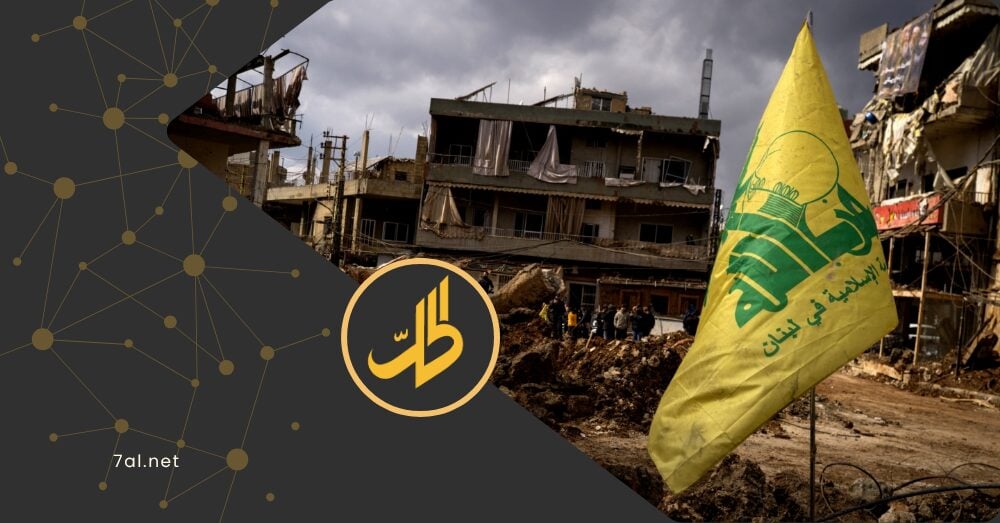
The cost of the war unfolding in Lebanon has continued to grow since Hezbollah, Iran’s longtime proxy, entered a new confrontation with Israel, as the number of its fighters killed rises and the humanitarian crisis inside Lebanon worsens.
As Hezbollah sustains mounting casualties, Lebanon is bearing heavy humanitarian and economic consequences at a time when the pace of escalation is increasing, amid fears that the situation could slide toward a broader catastrophe in the absence of any clear prospect for a solution.
This escalation does not come in isolation from its regional context, as some analyses link it to developments related to Iran and attempts to ease pressure on it, something that is directly reflected inside Lebanon, where popular anger is growing over the cost of this confrontation and its value.
It appears that Hezbollah has decided to move toward an extremely complex phase that could lead to its end, especially given the pressure of Israeli military escalation on the one hand and the shifting regional conditions of the so-called “Axis of Resistance” led by Iran on the other.
Mounting losses in Hezbollah’s ranks
Informed sources told “Reuters” that more than 400 Hezbollah fighters have been killed since the group joined the war in support of Tehran on March 2, in the first overall estimate of its human losses since the escalation began.
These losses come amid an ongoing Israeli military operation that has included airstrikes and ground operations inside Lebanese territory, while Israeli estimates point to higher numbers of Hezbollah fighters killed.
In parallel, the Lebanese Ministry of Health announced that more than 1,100 people have been killed as a result of the airstrikes and military operations, including women, children, and healthcare workers, without distinguishing between civilians and fighters.
As the attacks continue and the scope of the confrontation widens, casualties are mounting, leaving Lebanon to bear an increasing human toll, while infrastructure and residential areas are subjected to continuous strikes.
A humanitarian crisis
Away from the front lines, the humanitarian repercussions of the war are unfolding rapidly, with more than one million people displaced inside Lebanon, according to international estimates.
Testimonies cited by “Reuters” show the scale of daily suffering, as pregnant women were forced to flee and give birth in shelters lacking even the minimum level of healthcare.
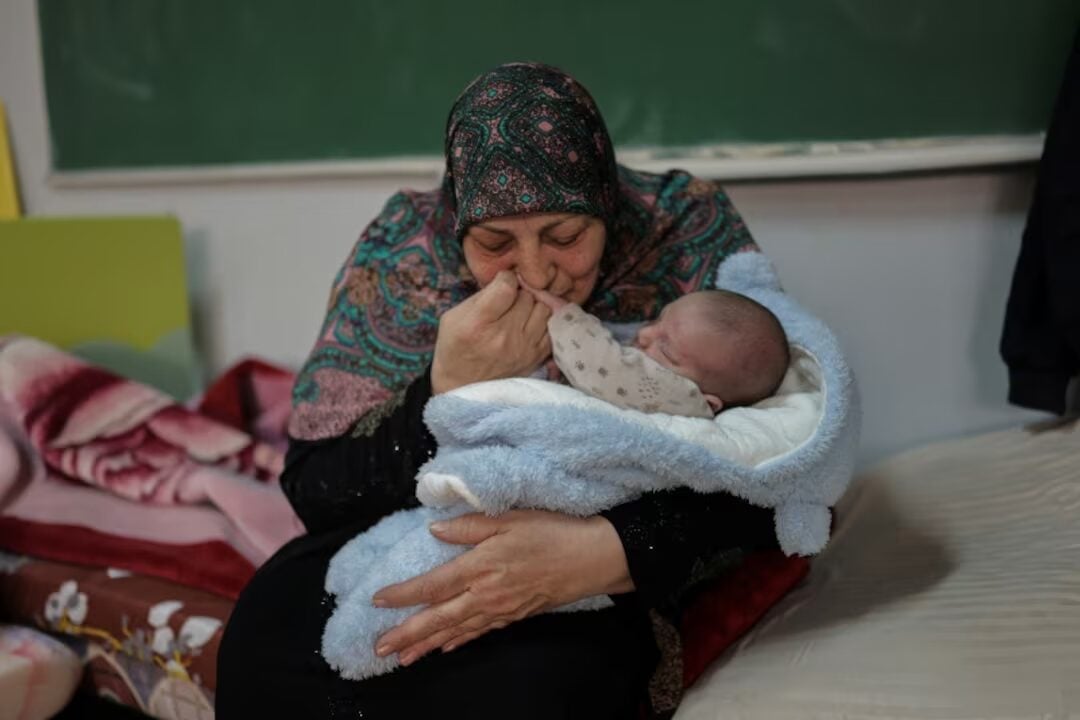
Data from the United Nations Population Fund indicate that there are about 13,000 pregnant women among the displaced, with around 1,500 babies expected to be born in just one month, amid a health system facing mounting pressure.
In conditions lacking even the most basic services, families face challenges related to hygiene and healthcare, while children suffer from illnesses linked to overcrowding and limited resources.
Midwives and volunteers are trying to provide support to new mothers despite limited resources, at a time when fears are growing over worsening health conditions for women and children.
A cost beyond the battlefield
Analysts believe that this confrontation, which Hezbollah decided to join, does not serve Lebanon’s stability but instead deepens its fragility, as displacement expands and basic services decline.
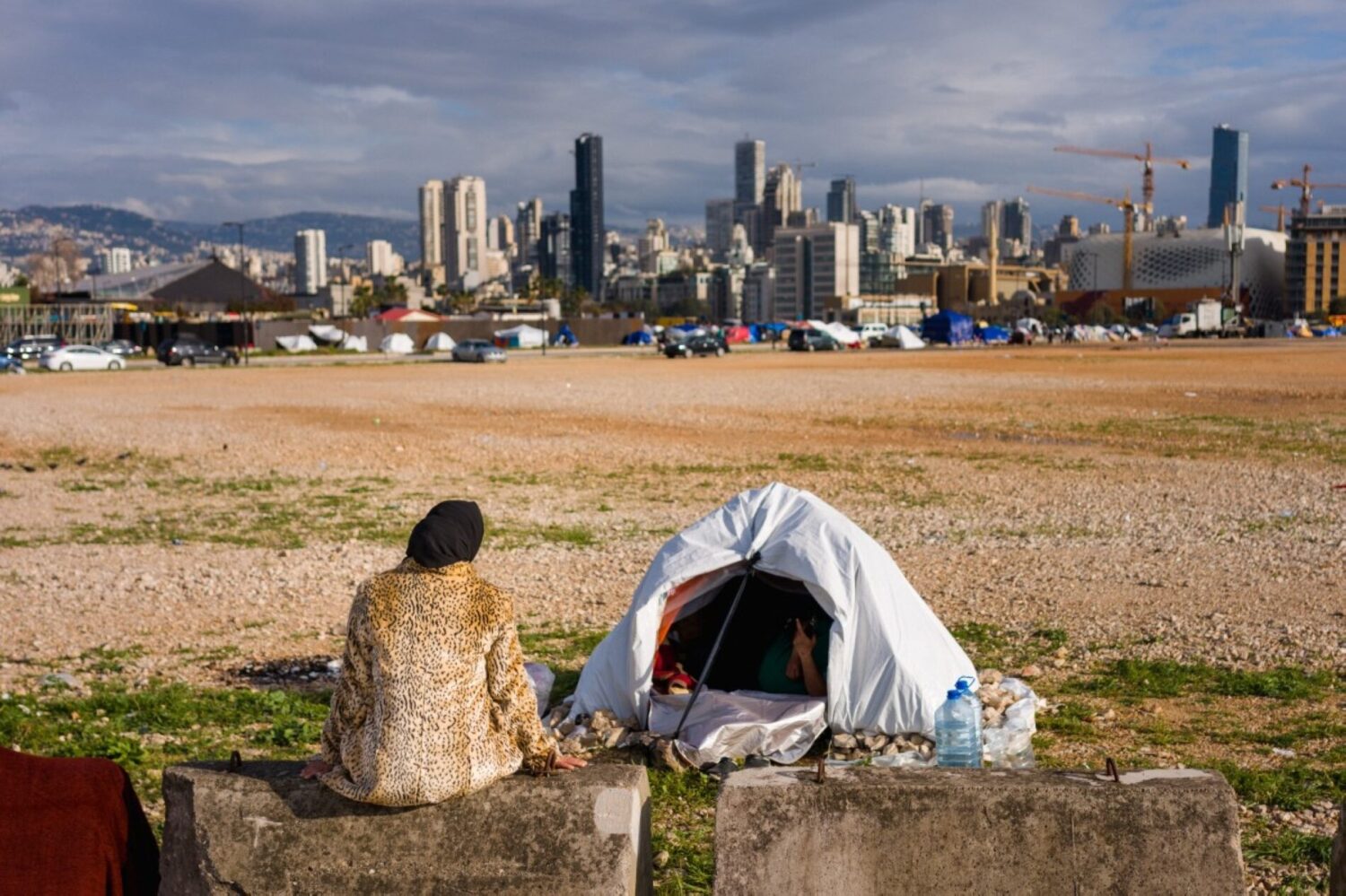
Estimates by research centers indicate that Hezbollah’s involvement in the war has subjected the country to a dual drain, militarily and economically, in a domestic environment incapable of bearing an open-ended crisis.
As the escalation continues, the cost of the war appears likely to rise, not only in the number of victims but also in its long-term effects on Lebanese society, in a war whose price the Lebanese are paying even though they did not choose it, but rather had it imposed on them by Hezbollah.
- How the Houthis Are Choking Yemen’s Peace Efforts with a Broad Escalation on the Ground
- Economy in the Wind: How Yemenis Are Paying the Price of Disrupted Shipping Routes
- Houthi Summer Centers: Factories for Indoctrination and Raising a “Scream” Generation
- The “Coalition of Necessity”: What Costa Rica’s Terrorism Designation of the Houthis Signifies
- Mojtaba Khamenei Runs Iran from His Bed as Photos Vanish and the Supreme Leader Makes a “Voice-Only” Appearance