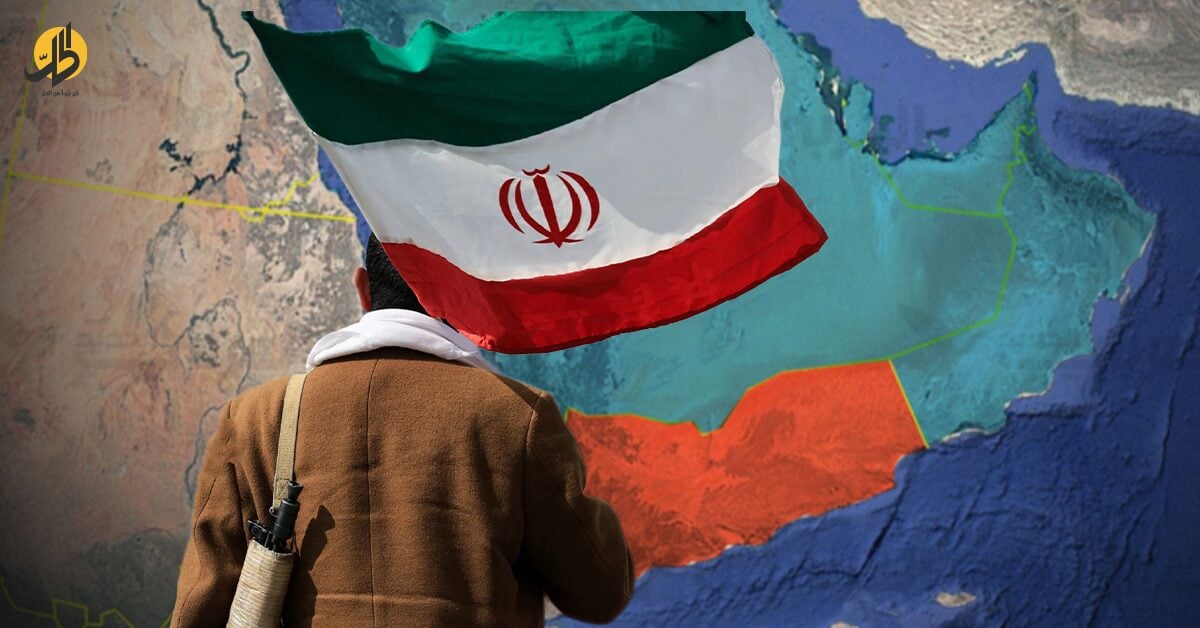
At a time when the fires of Yemen’s internal conflicts are still burning, a new and highly dangerous development has emerged with the announcement by the Iran-aligned Houthi group of its direct involvement in the current regional conflict, adding political and military complexity to Yemen’s already fragile domestic and external landscape.
As the ongoing regional war continues and its trajectories intertwine across the region, it appears that the Houthi group will drag Yemen into what it calls a “support war” within the so-called “Axis of Resistance,” similar to what Hezbollah did in Lebanon. This involvement places the country on the brink of a more complex and dangerous phase at every level, especially given the major losses the group is likely to incur, as happened and is happening with Hezbollah. That means Yemen, which is already suffering from numerous crises, will face a heavy political, humanitarian, and economic cost.
UN warnings and Houthi escalation
In a statement issued on Sunday, the UN special envoy to Yemen, Hans Grundberg, expressed deep concern over the Houthi decision to become involved in the regional conflict and launch military attacks against Israel, warning that this escalation threatens to drag Yemen into a large-scale regional war.
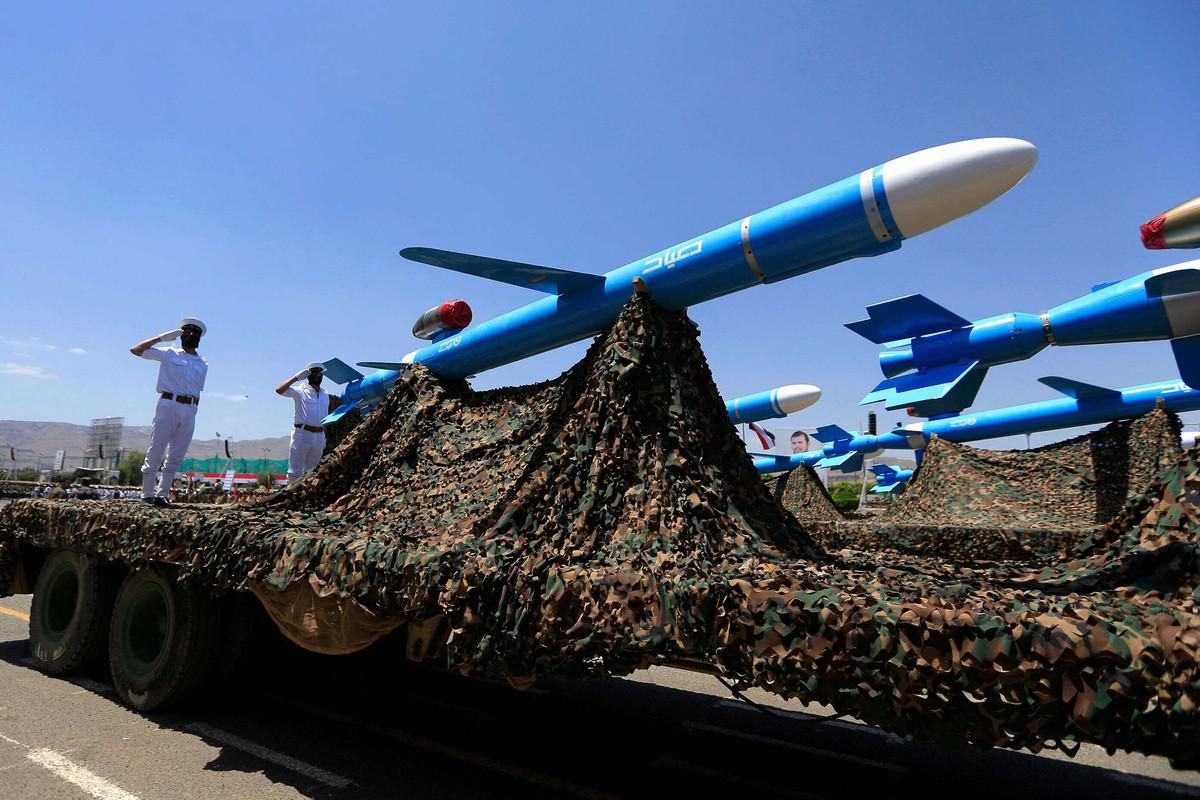
Grundberg stressed that this involvement will further complicate efforts to resolve the Yemeni conflict, worsen economic crises, and deepen civilians’ suffering, affirming that no party has the right to drag the country into broader conflicts. The UN envoy also called on all parties, especially the Houthi group, to exercise restraint and resort to diplomatic channels and mediation to de-escalate, renewing the United Nations’ commitment to supporting a just and sustainable peace that puts the interests of the Yemeni people first and keeps the country away from regional confrontations.
Commenting on this, Saleh Abu Awadhal, head of the Al Youm Al Sabea Foundation for Media and Studies, said in remarks to Alhal Net: “It seems that the UN envoy’s recent statements regarding the Houthi involvement in the Iranian-American-Israeli war came late and at an inappropriate time, after he lost the ability to influence the Yemeni parties. For the Houthis, the Yemeni file is no longer an isolated one.”
Political analyst Saleh Abu Awadhal added that the Houthis openly adopt the strategy of “unity of arenas” within the so-called “Axis of Resistance.” From their point of view, involvement in military operations linked to Gaza or coordination with Iran is not “interference in a foreign war,” but part of the movement’s current identity and a new source of popular legitimacy that transcends Yemen’s borders. This means the group is unlikely to heed Grundberg’s warnings, despite the grave negative repercussions that may result for Yemen and Yemenis.
Grundberg’s warning came after the announcement of involvement in the war in a statement by the group’s military spokesman, Yahya Saree, last Saturday, in which he claimed to have “carried out the first military operation using a salvo of ballistic missiles, targeting military objectives” in southern Israel.
The Houthi spokesman vowed that the group’s operations would continue in tandem with the attacks carried out by Iran, Hezbollah in Lebanon, and Iraqi factions, “until the aggression stops on all fronts of the resistance,” as he put it.
In the latest speech by the Houthi group’s leader, Abdul-Malik al-Houthi, last Thursday, he raised the tone of media support for Iran and hinted at entering the war, affirming the principle of “loyalty for loyalty” toward Tehran, which he said had been the “only party that stood in solidarity” with his group during the years of war ignited by the group through its coup against national consensus and the transitional process.
The trap of “unity of arenas”
In their current escalation, the Houthis are ignoring the harsh “Lebanese experience,” where Hezbollah’s involvement in the confrontation with Israel led to the erosion of the state’s sovereign foundations, beginning with the collapse of the security system and ending with economic deterioration and the destruction of infrastructure—outcomes the group in Yemen does not yet seem to have taken into account. From the Houthi group’s point of view, involvement in the war is not a “choice” based on calculations of profit and loss, but rather a doctrinal and political commitment to the principle of “unity of arenas.” They believe that the fall of any party in the axis would weaken them in the future, and therefore they see escalation as a preemptive response to threats that may later reach them.
In this regard, Yemeni writer Salman al-Maqrami said in remarks to Alhal Net: “The Houthi group, like Hezbollah, acts on the basis of Iranian decisions rather than its own choices. Therefore, no matter the local damage, it is carrying out Iranian wishes in a way that serves the principle of unity of arenas from its point of view.”
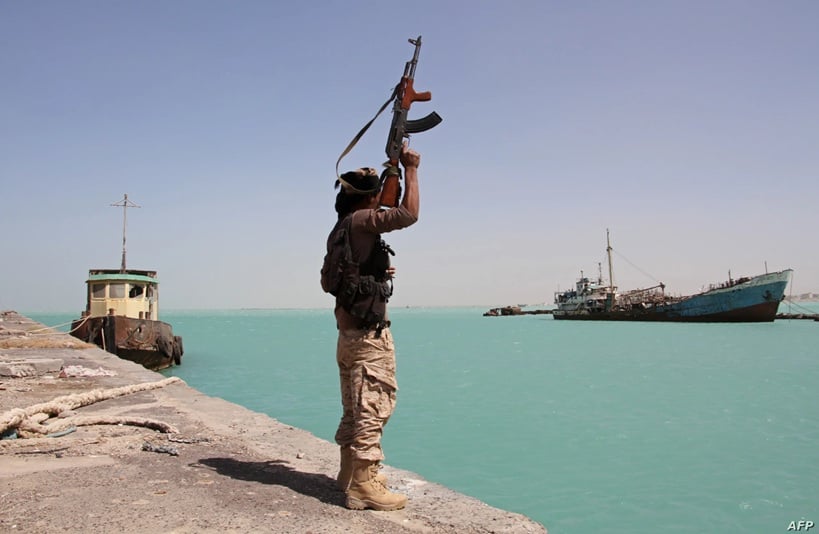
For his part, Abu Awadhal confirms that “the decision to engage in escalation is no longer entirely dependent on the Yemeni domestic arena; rather, it has become a cross-border decision, organically intersecting with the strategies of Iran’s Revolutionary Guard. The clear Iranian influence on the group’s military course has made it a key player within a broad network of regional alliances, turning its moves into an echo of calculations in Tehran more than a response to local necessities.”
Nevertheless, this rush toward regional escalation carries major risks that could sweep away the political and military gains the group has achieved over the past decade. Here, Hezbollah’s experience in Lebanon stands out as a harsh lesson and a model for comparison, as excessive involvement in regional conflicts led to “human and military attrition through the loss of leadership cadres and trained members in long wars of attrition.”
Alongside that came “isolation and economic collapse, as Hezbollah pushed its support base and the Lebanese state into crushing economic crises,” in addition to “the erosion of political capital, in terms of declining ability to maneuver internally and coming under direct international pressure.”
Risks of involvement in the war
The Houthis’ involvement in a regional conflict alongside Iran in 2026 carries grave risks that go beyond mere conventional military escalation, placing the group and Yemen on the brink of comprehensive collapse.
Abu Awadhal stresses that “involvement in an Iranian war could officially end Hans Grundberg’s efforts and close the file of political negotiations, meaning a return to all-out civil war.
It would also place Yemen on the path to catastrophic outcomes, beginning with the strangling of the economy as a result of escalation in the Red Sea and the Bab al-Mandab Strait, and the resulting rise in shipping and maritime insurance costs. This would be reflected in major jumps in food and medicine prices, a severe shortage of fuel supplies, and consequently weaker transport activity and local production.”
He added that “escalation in the Red Sea could lead to the cancellation of understandings (such as the May 2025 understanding) that had provided a degree of relative stability in navigation with the US administration. This involvement also turns Sanaa and the areas under the control of the Houthi group into legitimate targets for international retaliatory strikes, threatening what remains of crumbling infrastructure such as airports, ports, and power stations.”
From a humanitarian perspective, involvement in the war will affect humanitarian aid. With relief operations paralyzed as a result of security tensions, about 23.1 million Yemenis will face the risk of famine in 2026—around 65.4% of the population—and will need life-saving humanitarian assistance and protection services to meet their basic needs and ensure their safety.
Accordingly, the decision to enter Iran’s war will become a direct cause threatening the lives of millions in Yemen. For this reason, observers fear that if the Houthis’ involvement continues at a high pace, conditions may move toward a more complicated phase, where fear escalates, living and economic pressures increase, and all scenarios remain open.
- How the Houthis Are Choking Yemen’s Peace Efforts with a Broad Escalation on the Ground
- Economy in the Wind: How Yemenis Are Paying the Price of Disrupted Shipping Routes
- Houthi Summer Centers: Factories for Indoctrination and Raising a “Scream” Generation
- The “Coalition of Necessity”: What Costa Rica’s Terrorism Designation of the Houthis Signifies
- Mojtaba Khamenei Runs Iran from His Bed as Photos Vanish and the Supreme Leader Makes a “Voice-Only” Appearance