An investigation by the platform Defence Line has uncovered images and documentary material showing military leaders from the Iran-backed Houthi group inside facilities belonging to the Iranian Revolutionary Guard’s aerospace force during technical training linked to missile programs.
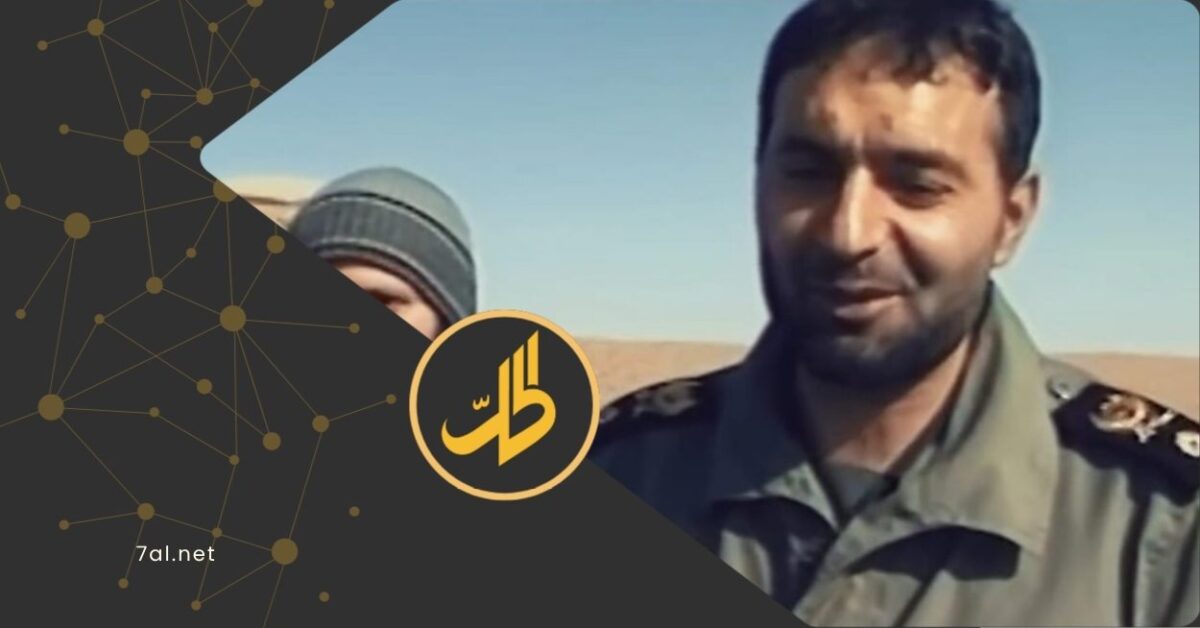
The images show former Houthi chief of staff Mohammed Abdul Karim al-Ghamari, known as “Sayyid Hashim,” alongside Iranian missile program engineer Hassan Tehrani Moghaddam inside control rooms and testing facilities believed to have been used for ballistic missile development.
The available evidence suggests the scenes were filmed between 2009 and 2011, a period when Houthi members were sent abroad for training as part of a program to prepare technical and military cadres who later took charge of weapons programs inside Yemen.
Organized training beyond the borders
The images come as the Houthi group continues to deny any direct ties to Tehran and insists it relies on local capabilities to develop its military systems.
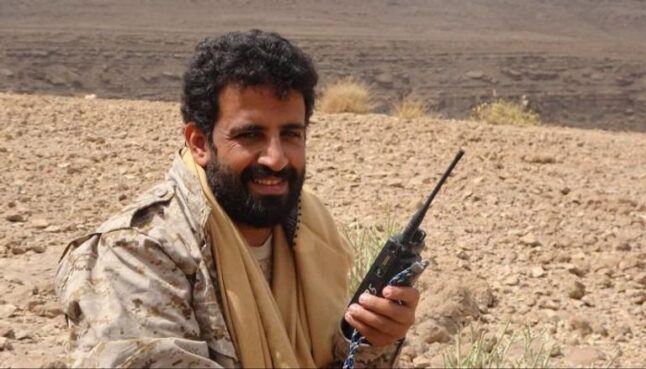
But the appearance of prominent leaders inside sensitive facilities raises direct questions about the sources of expertise behind these programs.
The presence is not limited to al-Ghamari. Zakaria Abdullah Hajar, who is responsible for the drone program, also appears in similar locations, suggesting a training track that involved more than one figure within the Iran-backed Houthi military structure.
Later, al-Ghamari played a key role in managing operations and overseeing weapons manufacturing programs, while Hajar led the development of the drone unit from its establishment in 2017, turning it into one of the Houthi group’s most important tools in military operations.
Transferring expertise inside the country
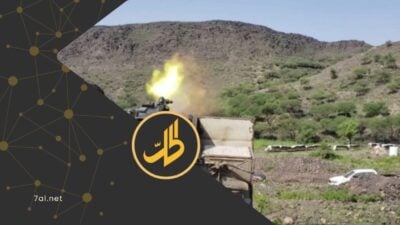
Field developments indicate that this training was brought home through the establishment of manufacturing and assembly workshops, the reactivation of military systems seized by the Houthi group after the coup, and technical modifications to munitions.

Later images also showed al-Ghamari and Hajar inside local manufacturing sites during the rollout of missile and drone programs, in the presence of political and military leaders.
Media reports say these activities took place with the support of experts linked to the Revolutionary Guard and Lebanon’s Iran-backed Hezbollah, as part of a technical support network focused on building operational capabilities inside Yemen, while technical channels of communication remained open.
An extended trajectory and growing impact
These developments outline a clear path in the Houthi group’s military evolution, from foreign training to field deployment.
In recent years, the results of that path have been evident in the expansion of operations beyond the country’s borders and the group’s recent participation in military operations against Israel in support of Iran.
- How the Houthis Are Choking Yemen’s Peace Efforts with a Broad Escalation on the Ground
- Economy in the Wind: How Yemenis Are Paying the Price of Disrupted Shipping Routes
- Houthi Summer Centers: Factories for Indoctrination and Raising a “Scream” Generation
- The “Coalition of Necessity”: What Costa Rica’s Terrorism Designation of the Houthis Signifies
- Mojtaba Khamenei Runs Iran from His Bed as Photos Vanish and the Supreme Leader Makes a “Voice-Only” Appearance