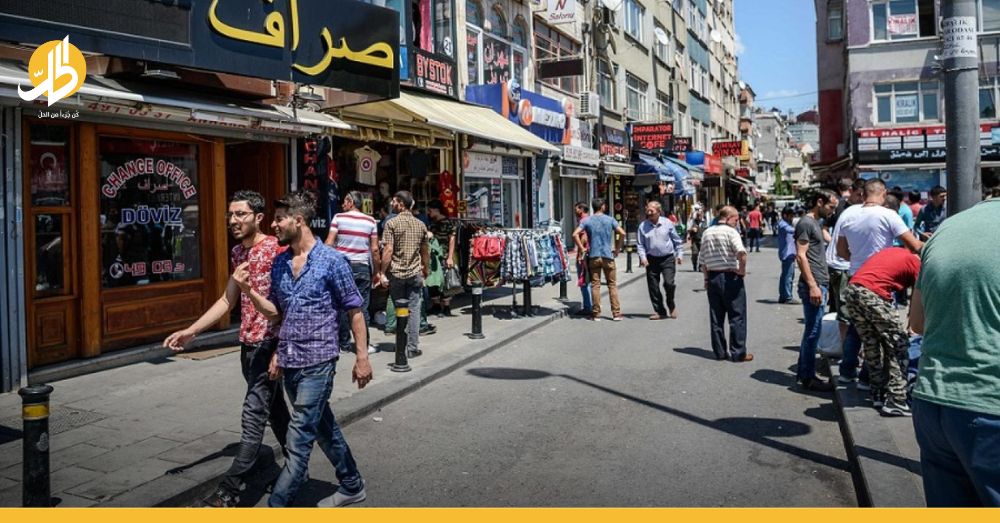
A series of assaults has recently targeted Syrian refugees in Turkey, with three young men killed by Turkish citizens in just one week, amid a rise in racist attacks in Turkey against Syrian refugees and even some tourists.
The latest victim was Syrian refugee Ahmad Madrati, who died on Monday evening after succumbing to critical injuries he sustained when a group of Turkish youths shot him at his workplace in Adana province after he refused to give them a phone for free.
Violence against Syrians in Turkey
A group of Turkish youths killed the Syrian man Ahmad Madrati by shooting him after he refused to give them a phone for free. Syrian human rights activist Taha al-Ghazi quoted the victim’s brother as saying that Madrati owned a mobile phone shop. A number of Turkish youths entered the store and asked him to give them a phone without paying for it, and when he refused, one of them opened fire on him directly.
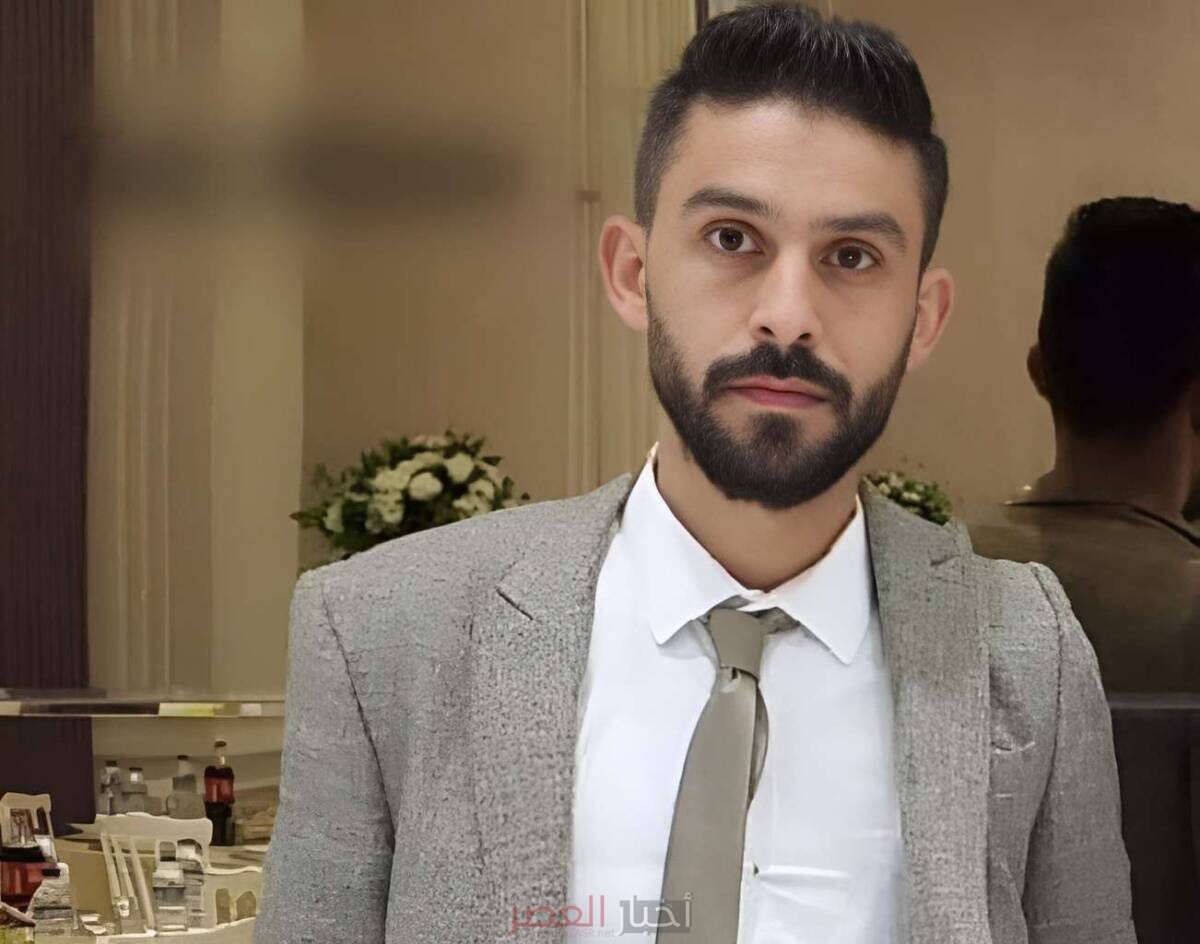
Madrati was then taken to the nearest public hospital, but despite medical intervention and emergency treatment, he died of his injuries. The same group had reportedly been approaching him regularly for months to demand that he pay “protection money” or extortion payments. According to al-Ghazi, the victim was in his early thirties, married, the father of one child, and was awaiting the birth of another.
Last Friday, the family of Syrian man Ammar Ibrahim Tabboush announced that he had been killed by the owner of a workshop where he had worked in the Turkish province of Konya after demanding his unpaid wages.
According to eyewitnesses who were present at the scene, the incident took place at an industrial workshop in a neighborhood in Konya, as reported by the Syrian rights activist and by several Turkish and Syrian media outlets.
Tabboush was 22 years old and had worked at that workshop some time earlier. On Friday, he went to the employer and demanded the remainder of his wages, amounting to 1,000 Turkish liras. The employer, identified as “Bekir J,” denied owing him the money and refused to pay, leading to a verbal argument, after which the workshop owner pulled out a pistol and fired several shots at the Syrian man.
Although Ammar Tabboush was taken to hospital and received emergency treatment, he died of his injuries. After committing the crime, the employer fled, according to the source, which added that security forces later arrested him after tracking surveillance camera footage and opened an investigation into the case.
Killed for not smoking!
In the same context, a Syrian man named Ibrahim Dali Hassan died after being stabbed several times in different parts of his body by a Turkish citizen in Izmir after the latter asked him for a cigarette and he replied, “I don’t smoke” — a simple answer that cost him his life.
According to the victim’s family, who are originally from Syria’s Aleppo province, a Turkish man stabbed him several times with a knife on September 14 while he was walking with a friend in the Sancak area of Izmir province.
Hassan was then taken to a nearby hospital, but he died days later despite attempts to save him. The victim’s family confirmed that there had been no prior acquaintance between their son and the Turkish assailant, stressing that the man had asked him for a cigarette, and when he replied that he did not smoke, the attacker — who was accompanied by another man — stabbed him several times. Turkish eyewitnesses also confirmed this account, according to press reports.
Shortly after the incident, security authorities arrested the killer and announced the start of legal procedures to hold him accountable, put him on trial, and determine the motives behind the crime. The Syrian rights activist added in a Facebook post that he had “coordinated with a number of legal professionals at the Izmir Bar Association in order to provide full legal support to the victim’s family and follow the case through the courts.”
Following these incidents, Syrian and Turkish local media outlets published a video documenting the victims collapsing to the ground after one was stabbed and another was shot.
These assaults against Syrian refugees in Turkey are not new, and they continue to recur from time to time. At the beginning of this month, a 35-year-old Turkish citizen identified as “Caglar Sh” shot dead 27-year-old Syrian refugee Mahmoud Dahi in the head in Adana province in southern Turkey.
According to organizations concerned with refugee rights, the recurrence of killings targeting Syrian refugees in Turkey is linked to incitement campaigns waged by local media outlets alongside political parties calling for their deportation back to Syria. The issue of refugees and their continued presence in Turkey has become a matter of debate between the ruling alliance, which includes the Justice and Development Party and the Nationalist Movement Party, and the opposition parties.
Both sides also compete to appease their angry support base ahead of every election in Turkey by promising to expel Syrian refugees or return them “voluntarily” to Syria.
Forcible deportation of Syrians
After the issue of Syrian refugees in Turkey was clearly exploited by Turkish political circles before the presidential elections last May to improve electoral prospects, Syrian refugees now fear an uncertain fate amid increasing deportations from Turkey.
Although Turkish President Recep Tayyip Erdogan said during his presidential campaign that Syrians would return to their country voluntarily, the Turkish government has for some time been intensifying campaigns to harass and deport Syrian refugees under various pretexts, including alleged violations. In practice, however minor the violation, the refugee is put on a bus to a deportation center and forced to sign a “voluntary return” form.
This deportation of Syrian refugees, in violation of international refugee laws and norms, intensified alongside remarks by Turkish Interior Minister Ali Yerlikaya, who claimed Ankara was fighting irregular foreign migrants and said he had “issued instructions to pursue illegal migrants throughout Turkey, and that their numbers will decline significantly within four or five months.”
In addition, press reports have spoken of Erdogan issuing instructions to encourage the return of Syrian refugees to their country in three stages according to the “Aleppo model.” All of this raises questions about what Ankara wants to gain from this file in the coming period.
Especially since Turkey is now planning to unify the administration of areas under the control of its forces and the factions of the so-called “Syrian National Army” that it backs in northern and northeastern Syria, by appointing a single governor to oversee those areas instead of the seven governors previously assigned to coordinate there, according to a Turkish newspaper.
Implications of Erdogan’s statement
Erdogan said in recent press remarks that Turkey had intensified its measures against human smugglers and prevented the entry of hundreds of thousands of irregular migrants. In reality, his repeated talk of deporting Syrian refugees, together with the Turkish newspaper report about appointing a single governor for Turkey-controlled areas in northern Syria, raises many questions. Does this signal a new phase in relations with Damascus, or are there other pragmatic interests behind it?
Erdogan’s remarks came a day after the newspaper Turkiye published a report saying that Arab businessmen were increasingly moving their projects out of Turkey amid rising hostility toward Arabs and racist incitement in the country. The newspaper said this capital flight had caused Turkey losses of $2 billion, noting that anti-Arab sentiment in Turkey had become clearly visible over the past two months and had significantly affected Arab investment in the country.
Accordingly, Erdogan’s statements appear to be driven, as usual, by a set of pragmatic interests. On the one hand, he does not want to lose Arab investment and tourism, which are among Ankara’s most important sources of national income, especially after two Moroccan citizens were deported to northern Syria when authorities mistakenly believed they were Syrians, even though they had come to Turkey as tourists.
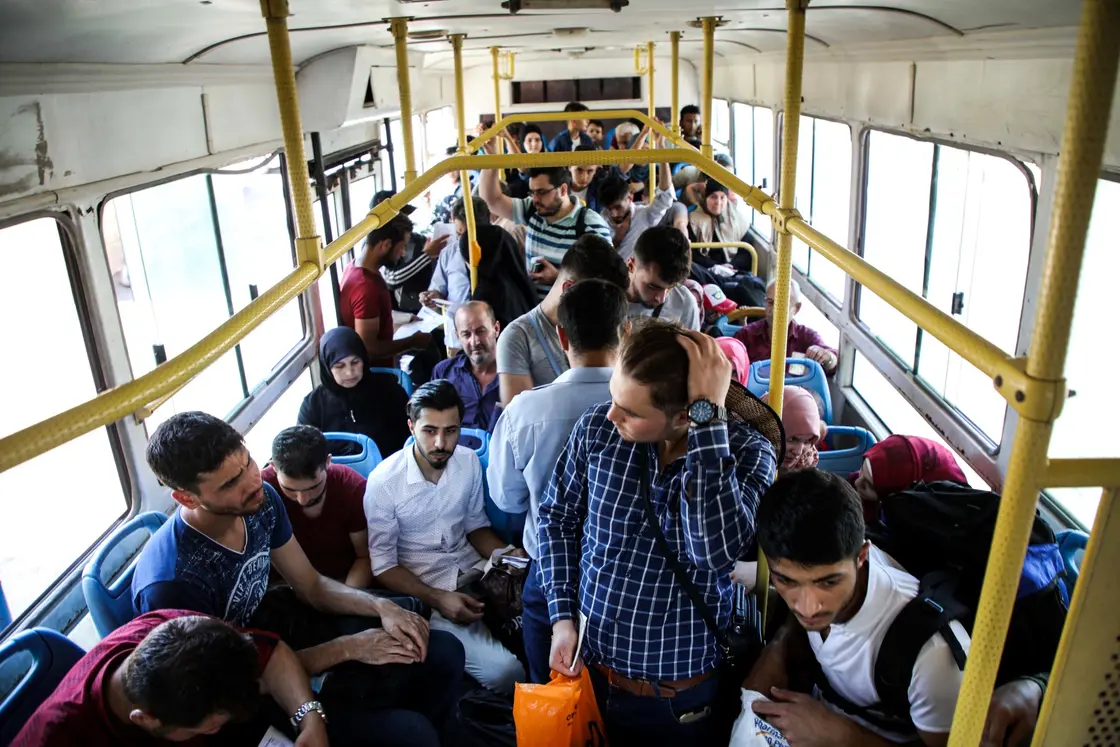
Erdogan’s current talk about the “voluntary return” project, which aims to return about one million refugees from Turkey to Syria, and the continued construction of permanent housing in northern Syria to facilitate “voluntary and safe” return, also indicates that political interests and gains lie behind these statements. It may also suggest a new phase in the rapprochement between Ankara and the Damascus government.
Some observers believe that the “Aleppo model” is a Turkish attempt to present itself as the route to a solution for any future political understanding with the Damascus government. There is little doubt that Erdogan has tactical goals and interests in proposing this plan, namely extending control over Aleppo by sending Syrian refugees there. Turkey’s ambition regarding Aleppo has long been present.
- How the Houthis Are Choking Yemen’s Peace Efforts with a Broad Escalation on the Ground
- Economy in the Wind: How Yemenis Are Paying the Price of Disrupted Shipping Routes
- Houthi Summer Centers: Factories for Indoctrination and Raising a “Scream” Generation
- The “Coalition of Necessity”: What Costa Rica’s Terrorism Designation of the Houthis Signifies
- Mojtaba Khamenei Runs Iran from His Bed as Photos Vanish and the Supreme Leader Makes a “Voice-Only” Appearance