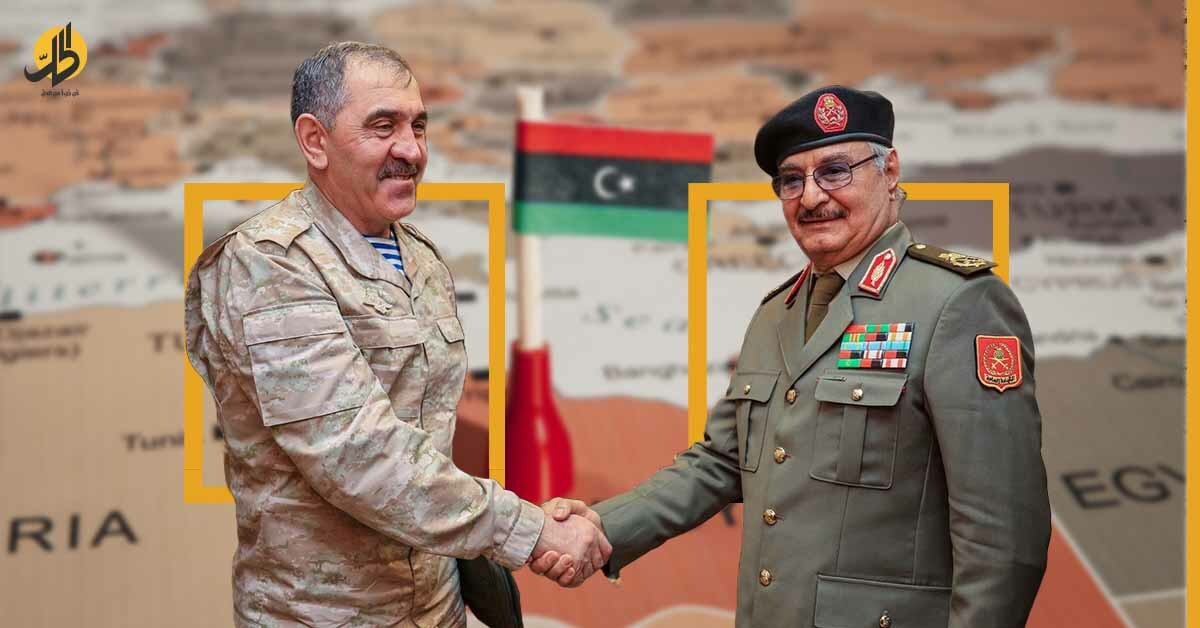
Libya’s political crisis remains hostage to international conflict and local rivalry among the key bodies and forces in the east and west of the country, amid efforts to reach the electoral stage and form a unified government to oversee presidential elections.
Over the past month, UN envoy Abdoulaye Bathily submitted his resignation, leaving mediation efforts to his deputy, Stephanie Koury, who soon held several meetings with local actors in an effort to assess the situation. Informed sources suggest she may be named the new envoy to succeed Bathily, who launched scathing criticism at all local parties and warned of a future constrained by international pressures.
Libya in Russia’s Crosshairs
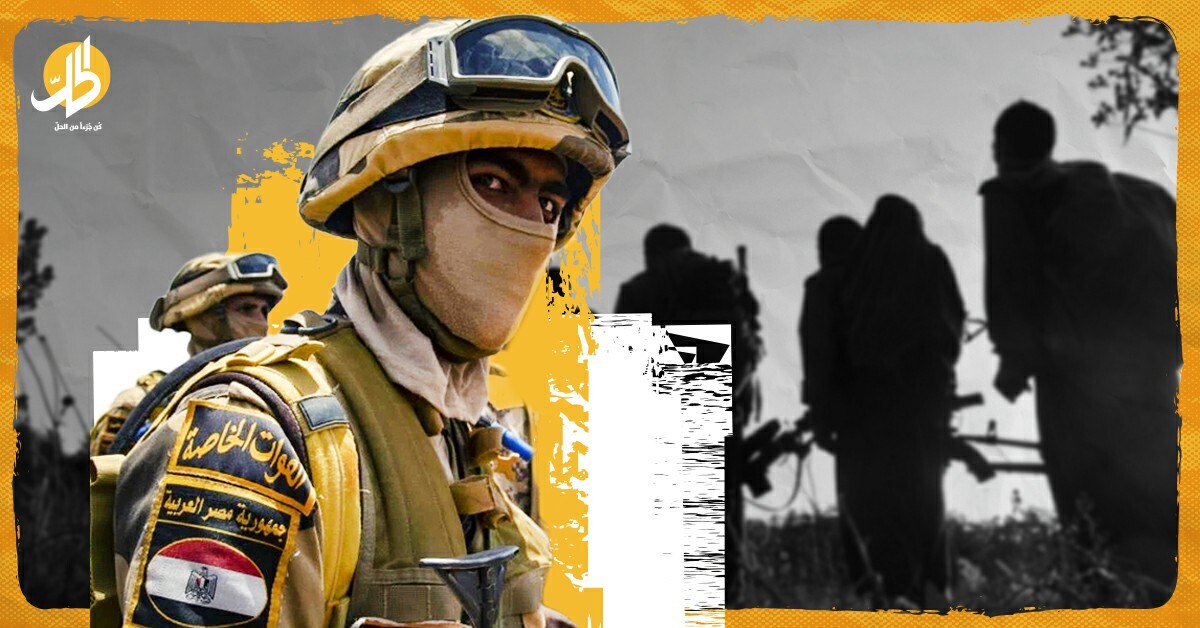
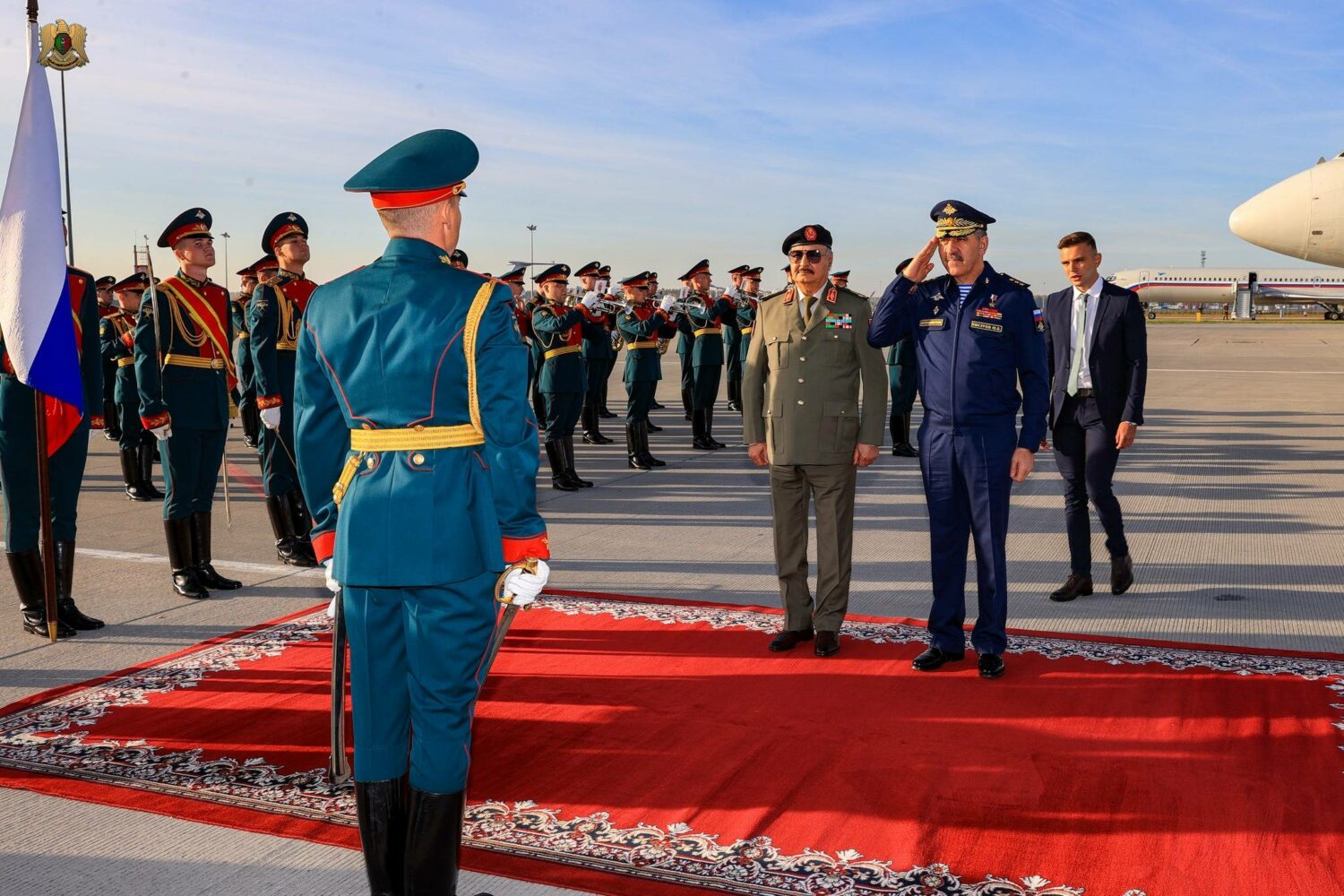
In this context, numerous reports have indicated that since the start of this year, Russia has been expanding its field presence in eastern and southern Libya as a central platform for advancing its strategic interests in Africa under the banner of the Russian Africa Corps, using Libya as a distribution hub for the theaters in which Moscow seeks influence.
On the other hand, reports say that under US-European supervision and with Libyan financial backing, a new corps is currently being prepared to counter the Russian corps in Libya.
According to Libyan media, the new corps will consist entirely of Libyan fighters drawn from six armed formations affiliated with the Interior and Defense ministries of the “Government of National Unity,” while command and oversight will be entrusted to foreign military personnel.
The main mission of this Libyan-European corps will be to confront growing Russian influence in Libya and Africa on behalf of Western countries.
For that purpose, a special budget for the corps will be allocated from Libyan funds abroad, in accordance with UN Security Council Resolution 1973 of 2011.
The extent of international competition and conflict over the Mediterranean gateway and Africa inside Libya is clearly visible in the statement issued by the “Council for Sharia Research and Studies” at Libya’s Dar al-Ifta in Tripoli, which supports Prime Minister Abdul Hamid Dbeibeh. The council described the Russian forces deployed across eastern and southern Libya under the control of Field Marshal Khalifa Haftar as “invading forces” and called on Libyans to fight them.
The council described the continued arrival of these forces during the months of this year as “a dangerous development.” In its statement, it said these were “aggressive invading forces” and declared that “jihad against them is a religious duty for Libyans,” calling on “everyone who has money, weapons, or decision-making power to help expel this occupying enemy.”
The statement warned that the duty of defensive jihad against Russian forces in Libya does not mean falling under the control of another occupier, whether the United States, the European Union, or any other power, because “jihad against occupiers must not mean replacing one occupier with another.”
What is striking about this statement is that it comes amid Russia’s political and diplomatic moves following the recent reopening of the Russian consulate in Tripoli and Russian Foreign Minister Sergey Lavrov’s meeting with representatives of the Presidential Council and the General Staff in western Libya. This puts armed formations aligned with Dar al-Ifta and Mufti al-Ghariani on alert and on a potential collision course with other armed blocs in Tripoli, raising the possibility of instability among these formations and further undermining the fragile stability of western Libyan cities.
Internal Struggles Over the Electoral Process
In a related domestic development, Prime Minister Abdul Hamid Dbeibeh and Mohamed Takala, head of the “Libyan State Council,” met on Monday, May 13, to discuss consultations on holding fair and transparent simultaneous presidential and parliamentary elections in Libya.
The media office of the prime minister said the meeting produced agreement on the need to focus on development projects, support municipalities in implementing local administration programs and reducing centralization, and address the fuel sector while setting the necessary regulations.
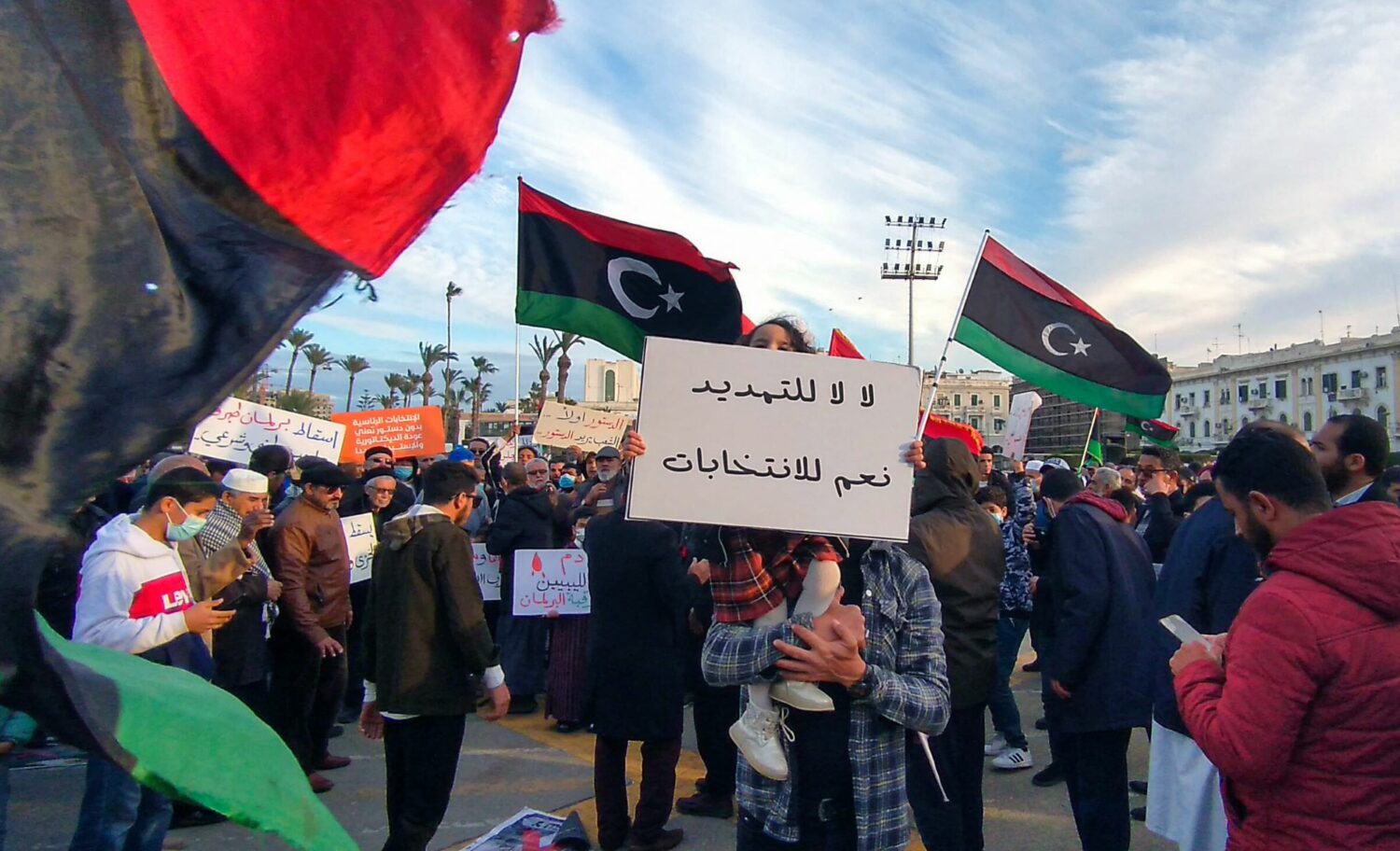
Dbeibeh and Takala also agreed to hold follow-up meetings involving the “State Council,” the “Administrative Control Authority,” and the “Audit Bureau” to strengthen disclosure and transparency in all government spending.
The meeting, held at the State Council headquarters, also addressed the political situation and government spending for 2024.
Mohamed Takala, head of the “High Council of State,” also affirmed their commitment to the Cairo Agreement, including the provisions related to forming a government and implementing them in the near future.
Speaking to the BBC, he said his dealings with Prime Minister Abdul Hamid Dbeibeh stem from the international recognition of Dbeibeh’s government, as well as the High Council’s own recognition of it, and fall within the broader framework of his council’s dealings with the state’s executive and legislative institutions.
As for Osama Hammad’s government in Benghazi, eastern Libya, the head of the “High Council of State” said it had not been “a legitimate government from the outset.” Takala also considered the “Libyan House of Representatives” in Tobruk’s recognition of Hammad’s government to be political antagonism and part of the messages that House Speaker Aguila Saleh has continued to send to Dbeibeh, in his words.
This comes amid continued reports from sources familiar with developments inside the “High Council of State” about mounting, pent-up anger against its president, who was elected last August over Khaled al-Mishri, who had retained the post for several consecutive terms. This points clearly to the desire of the government in western Libya to bring the High Council of State back into its orbit after the alignment that had emerged between former president Khaled al-Mishri and House Speaker Aguila Saleh in eastern Libya toward a political agreement allowing for the formation of a new government ahead of presidential elections.
The Muslim Brotherhood’s Bid for Power
By contrast, informed sources told Al-Hal Net that former president Khaled al-Mishri, who is aligned with the Muslim Brotherhood trend in Libya, has decided to run again for the post of president of the “High Council of State.”
The sources, who preferred not to disclose their identities, said members of the National Consensus bloc in the High Council of State — most of whom belong to the Democratic Party headed by Mohamed Sowan, which together with the “Justice and Construction Party” headed by Imad al-Banani forms the political arm of the Muslim Brotherhood trend — are angry over Takala’s performance in recent months, during which the council appeared to function as an extension of the government, placing many members in an embarrassing position.
Prime Minister Abdul Hamid Dbeibeh is considering choosing a figure from the city of Misrata in western Libya as a tactical alternative he can maneuver with during the upcoming election for the presidency of the “High Council of State.”
Special informed sources told Al-Hal Net
The sources added that there are early moves ahead of the election for the president of the “High Council of State” at the beginning of next August, involving notable arrangements by the “Government of National Unity” and Prime Minister Abdul Hamid Dbeibeh to keep the presidency within the government’s orbit. This could be done either by continuing to back the current council president, Mohamed Takala, or by choosing another figure to represent the government in the next phase. Another scenario would be to rely on a candidate who could split the vote in Takala’s favor, especially given Khaled al-Mishri’s decision to run and his strong chances of winning the post.
The sources noted that Dbeibeh is considering selecting a figure from Misrata as a tactical alternative he could use in the upcoming election for the presidency of the “High Council of State.”
The sources concluded by saying there is a strong possibility that Dbeibeh will seek to shape a new map of security and political alliances in Tripoli, and western Libya in particular, in a way that guarantees his staying in office over the next two years, in the face of efforts to form a smaller government aimed at unifying executive authority across Libya.
Overall, the prospects for a political solution in Libya appear deeply entangled, as all active local political bodies are exploiting international competition and conflict, maneuvering along its edges and within its contradictions, and using all its tools in local interactions. This makes it far from easy to create a mature environment capable of steering Libya away from the trap of state fragility.
- How the Houthis Are Choking Yemen’s Peace Efforts with a Broad Escalation on the Ground
- Economy in the Wind: How Yemenis Are Paying the Price of Disrupted Shipping Routes
- Houthi Summer Centers: Factories for Indoctrination and Raising a “Scream” Generation
- The “Coalition of Necessity”: What Costa Rica’s Terrorism Designation of the Houthis Signifies
- Mojtaba Khamenei Runs Iran from His Bed as Photos Vanish and the Supreme Leader Makes a “Voice-Only” Appearance