
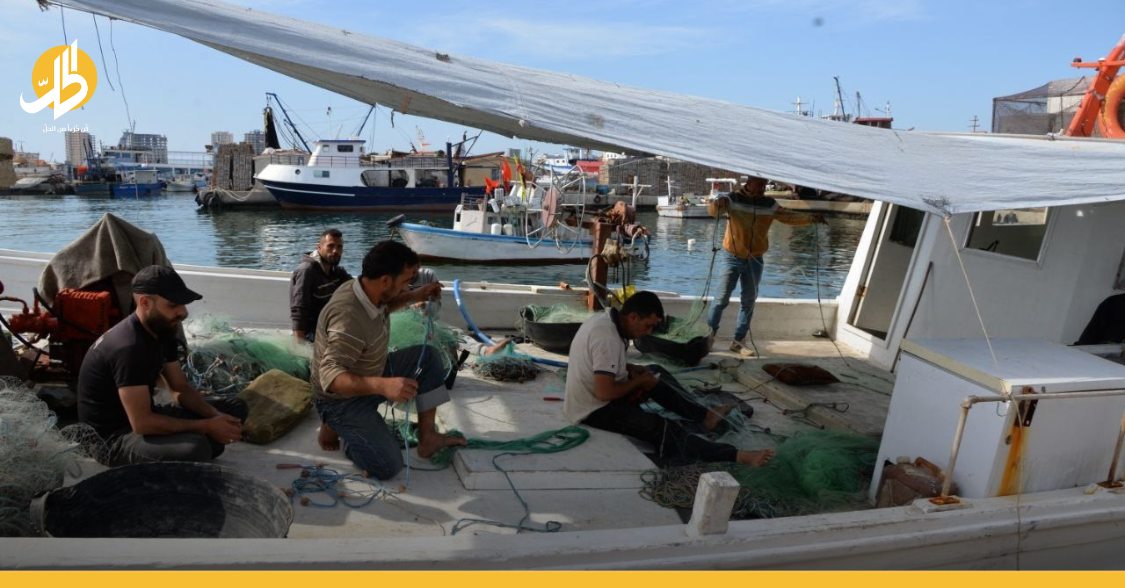
In Syria, the work of sea spotters, once a seasonal job linked to fishing, has turned into a lucrative trade for transporting migrants to Cyprus. These spotters now earn between 100 and 200 euros for each person they ferry on so-called death boats to the nearest gateway to Europe.
Cypriot Interior Minister Constantinos Ioannou warned yesterday, Thursday, of the growing number of Syrian migrants arriving on the island, as 120 Syrians reached the country in the past 24 hours. The minister said in a statement, “There have been recent changes in the methods used to transport migrants, which has affected the number of irregular migrants arriving by sea.”
The minister noted that the number of Syrian nationals arriving in Cyprus has increased, and that this rise is due to several factors, including the war in Syria, the harsh economic conditions Syrians are enduring, and the ease of reaching Cyprus by sea. But what lies behind this new lucrative trade that could turn the situation in Cyprus upside down?
Migration routes shift into Syria
Along Syria’s coastline, murky developments are emerging behind Cyprus’s declaration of a state of emergency. The work of sea spotters, once associated with fishermen seeking abundant catches in summer, has shifted from a common trade into a profitable and mysterious business at the same time.
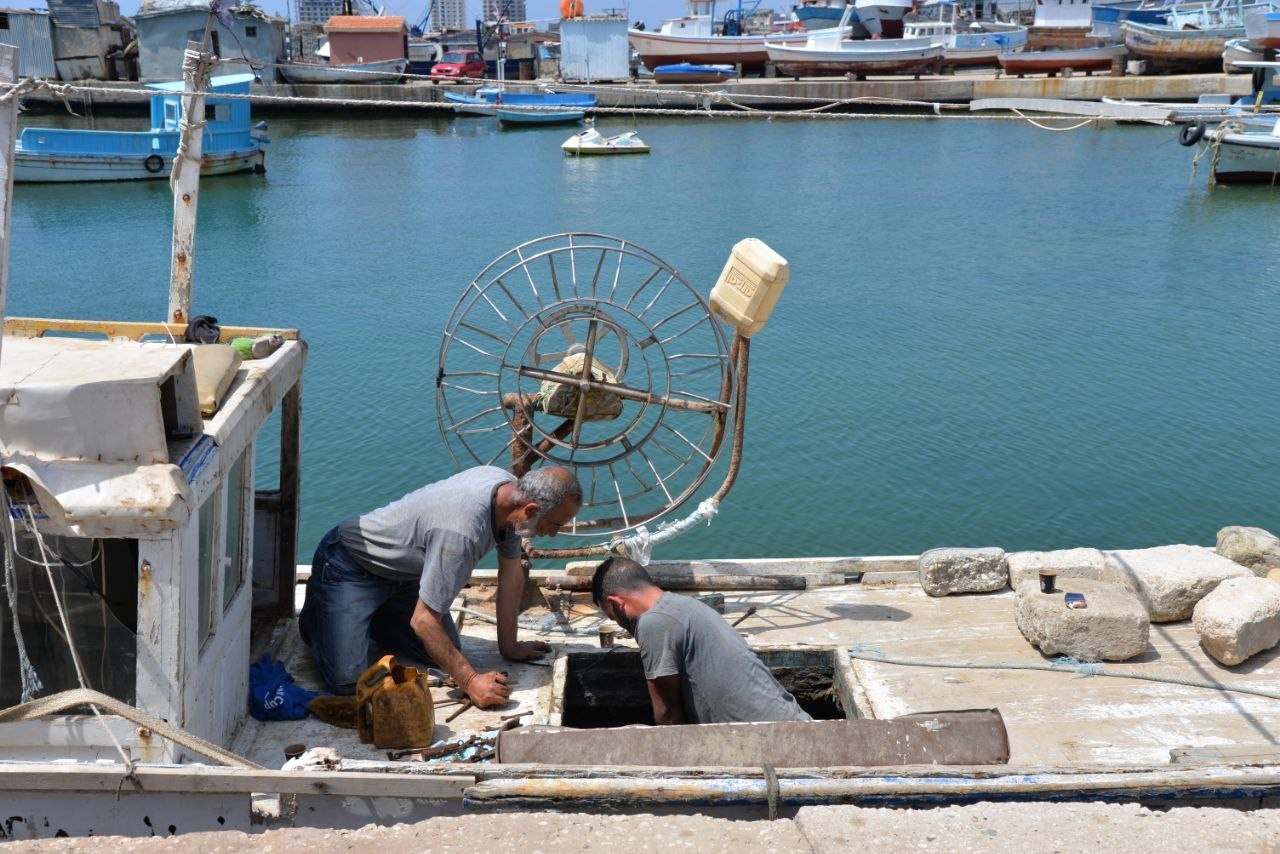
According to Al-Hal Net, the Syrian coastline and hidden sea passages have turned into a stage for an unexpected trade, with sea spotters becoming key transporters of migrants seeking a better life through illegal journeys.
In an unprecedented development, Syrian fishing boats that had stopped operating because of the fuel crisis and soaring operating costs have become a means of carrying migrants across rough seas, while also creating a profitable business for sea spotters, who earn hundreds of euros for transporting each person to the safer shores of Cyprus.
Ali al-Nahlous, one of the sea spotters on the coast of Latakia, told Al-Hal Net that his work has become tied to guiding Syrian migrants toward hope, especially after the humanitarian crises that have mercilessly struck the region, most recently the Turkish authorities’ campaign to return refugees to northern Syria, as well as the Lebanese government’s policy of tightening restrictions on Syrians there.
Al-Nahlous does not hide the fact that the work of sea spotters is one of the most dangerous jobs in Syria, as these boats often sink, and the spotters themselves face arrest or death at sea. Yet despite the risks, many Syrians turn to this work to earn a living, as they can find no other job in the country.
Syrian passports are the reason!
The Cypriot Interior Ministry said it had observed changes in the way smugglers operate, altering the balance of arrivals via the sea route. In terms of the makeup of those arriving, the proportion of Syrian nationals has increased.
According to a related announcement issued by the Interior Ministry, the authorities of the Republic of Cyprus are making efforts at the political and diplomatic levels, as well as at the technical and operational levels, to manage the growing migration phenomenon, especially from Syria, with asylum applications in the past month of June reaching 735.
Al-Nahlous added that one of the reasons he became involved in transporting migrants to Cypriot shores was the campaign launched by the Libyan and Tunisian authorities along their coasts against irregular migrants, leaving thousands of Syrians stranded there for months.
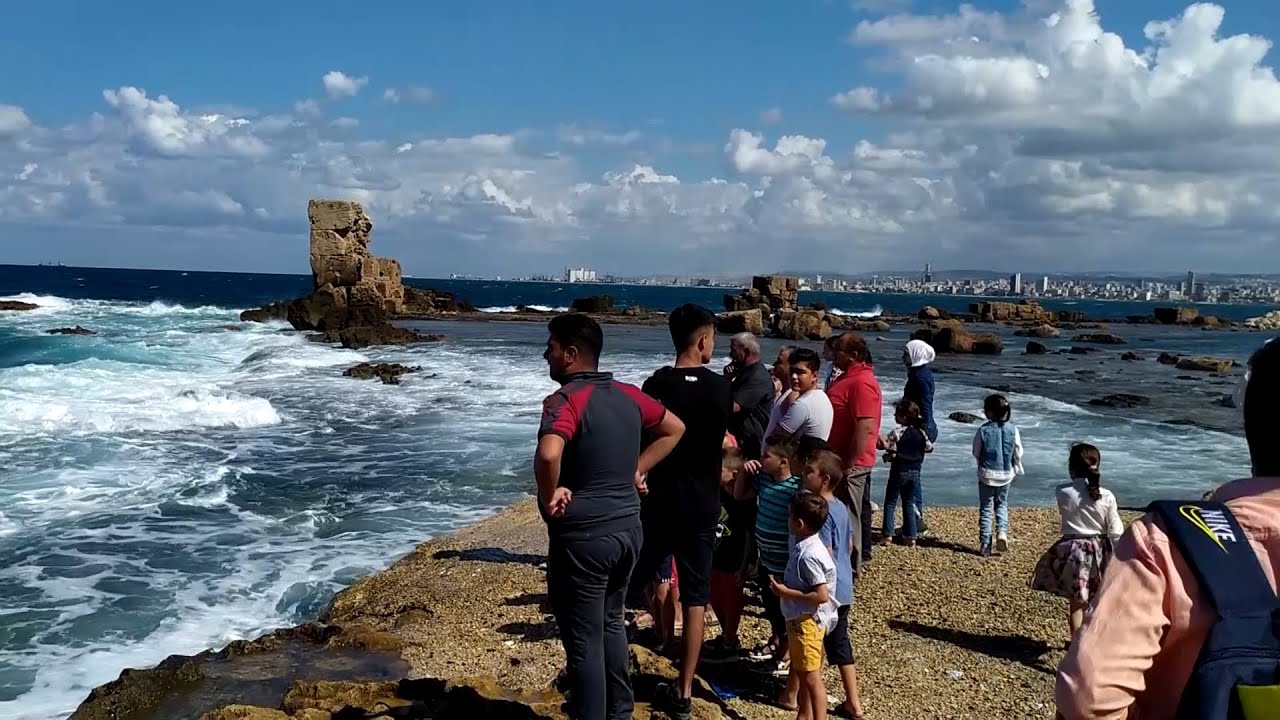
Moreover, the direct reason Syrians have turned to local fishing boats is that the Syrian Interior Ministry suddenly stopped issuing passports to citizens inside the country, in parallel with the international campaign against irregular migration, especially affecting recent university graduates who fear compulsory military service.
Smugglers work with influential figures
Last Wednesday, specifically at around 7 p.m., a wooden boat carrying 95 migrants was spotted 23 nautical miles southeast of Cape Greco. Shortly afterward, another boat carrying 18 migrants was detected 16 nautical miles away. The two boats were brought to the port of Larnaca with a total of 113 migrants on board, including 78 men, nine women, and 26 children.
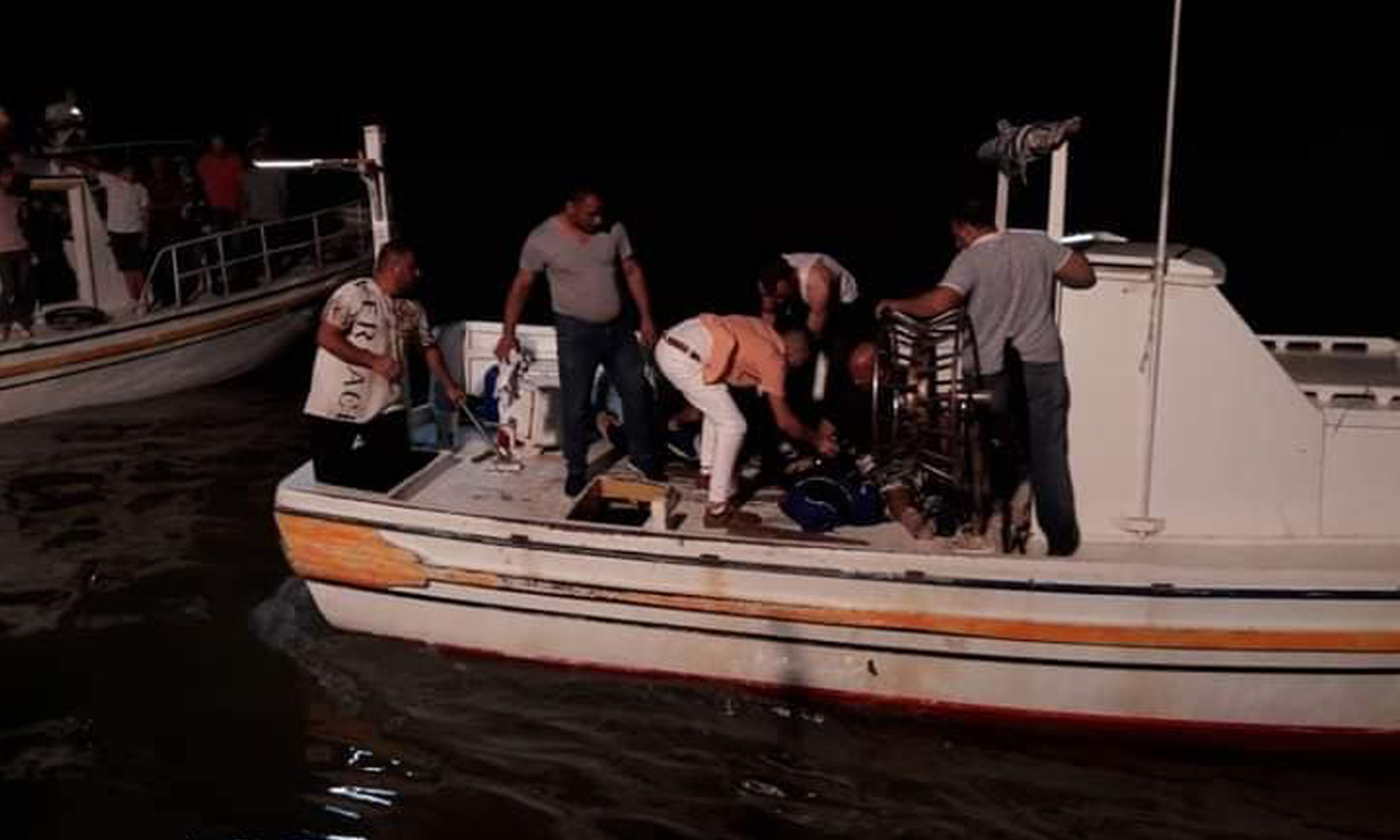
Despite the repeated sinking of death boats across the Mediterranean, most recently a boat carrying 750 migrants, most of them Syrians, human smuggling operations from the governorates of Tartus and Latakia to Cyprus across the Mediterranean have escalated in recent months.
Al-Nahlous confirmed to Al-Hal Net that fishing boats do not operate individually, but rather belong to smuggling networks that work with influential figures in the security services and the Syrian army, in exchange for sums that have reached $3,000 per person.
According to the Cypriot authorities, the European Union’s restrictions on engagement with Damascus do not allow the Republic of Cyprus to communicate directly with the Syrian authorities بشأن this issue, which has recently been gaining momentum. But Cyprus is in contact with the Lebanese authorities, with whom it has concluded a return agreement.
Damascus’s failure to implement solutions to the crises that are hitting people in the country has turned the work of sea spotters into one of the tragic phenomena reflecting the scale of the suffering endured by the Syrian people. It appears that Syria’s shores are becoming a new departure point for many people fleeing toward Cypriot ports.
- How the Houthis Are Choking Yemen’s Peace Efforts with a Broad Escalation on the Ground
- Economy in the Wind: How Yemenis Are Paying the Price of Disrupted Shipping Routes
- Houthi Summer Centers: Factories for Indoctrination and Raising a “Scream” Generation
- The “Coalition of Necessity”: What Costa Rica’s Terrorism Designation of the Houthis Signifies
- Mojtaba Khamenei Runs Iran from His Bed as Photos Vanish and the Supreme Leader Makes a “Voice-Only” Appearance