Communiqué No. 1 blares from Damascus Radio in the late 1940s, signaling that a military coup has taken place, and Syrians are glued to their radios awaiting the communiqués that follow. Chroniclers of modern Syrian history have not said much about Communiqués 2, 3, 4, and so on. Yet the first coup in Syria and the Arab world, led by Husni al-Za’im, was a striking turning point in Syria’s political history, shocking and astonishing many Syrian political and military figures. So what did the communiqués that followed Communiqué No. 1 during al-Za’im’s days contain, and what were the hidden details and secrets behind Husni al-Za’im’s coup?
Much of the history of the First Syrian Republic after the French Mandate is treated as little more than legend, drawing scant interest from Syrians to dig into its rich and eventful chapters.
Rebellious days, whose opening phase was led by a military officer who studied military science in Turkey and France and was fifty years old on the day of the coup.
Husni al-Za’im was born in Aleppo in 1889. His father was a mufti in what was then known as the Ottoman army. Al-Za’im himself was reinstated in the army in 1946 after the French had dismissed him before independence.
Before seven in the morning on March 30, 1949, most Syrians did not know what the term “military coup” meant. A few hours before the first coup in Syria was announced on Damascus Radio, one citizen approached a soldier standing near a tank at the entrance to the parliament building on al-Salihiyah Street and asked him, “Brother, what’s going on?” The soldier replied hurriedly and curtly, “A coup.” The man’s bewilderment only deepened, and he asked in shock, “A coup? What does coup mean?”
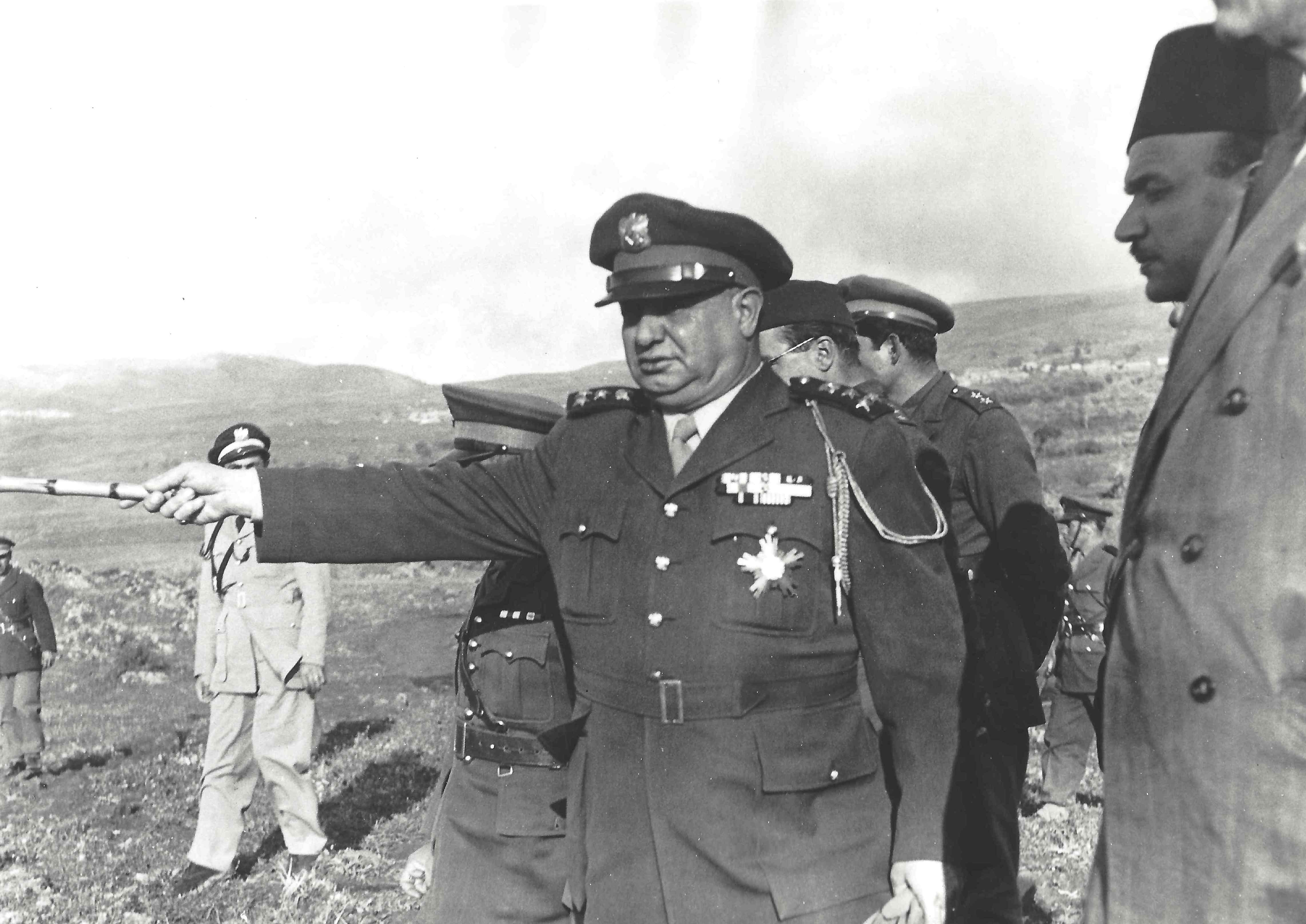
At exactly seven o’clock, Damascus Radio interrupted its regular programming, and the announcer read Communiqué No. 1.
Driven by patriotic zeal, and pained by what the situation in Syria had come to because of the fabrications and arbitrariness of the ruling political authority, the General Command of the Syrian Army and Armed Forces assumed power temporarily, stressing that it did not seek to rule but rather to pave the way for genuine democratic government to replace the current sham regime, then headed by Shukri al-Quwatli.
That was the bulk of the communiqué that the army commander at the time, Husni al-Za’im, ordered to be broadcast, as reported by the Syrian journalist Nadhir Fansa in his book The Days of Husni al-Za’im.
The 1948 war in Palestine was Husni al-Za’im’s gateway to leading the Syrian army. He proposed a plan that the Syrian army could have carried out, one that called for shifting the fighting to guerrilla warfare. The plan impressed Shukri al-Quwatli, who agreed to entrust him with military command at a time when Jamil Mardam Bey was serving as defense minister. Al-Za’im was later elevated to the rank of “Za’im,” a title later made equivalent to brigadier after military ranks were revised.
In The Days of Husni al-Za’im, its author Nadhir Fansa recounts that two sides were behind provoking the army leadership and pushing it toward a coup. The first was the “Cooperative Socialist Party,” headed by Faisal al-Asali, who was then a member of parliament. He accused Husni al-Za’im of planting a bomb that exploded in one of the party’s offices, an allegation later denied by one of al-Asali’s close associates in the party. The second was the prime minister’s office at the time, represented by Khalid al-Azm, a proud and haughty man who took pride in the feudal aristocracy to which he belonged, despite his many qualifications as a statesman, according to the memoir. Al-Azm hated al-Za’im; when the latter went to his office, he was met with disregard and even humiliation, left waiting for hours past his appointment, and sometimes not even admitted, forcing him to leave and return the way he came.
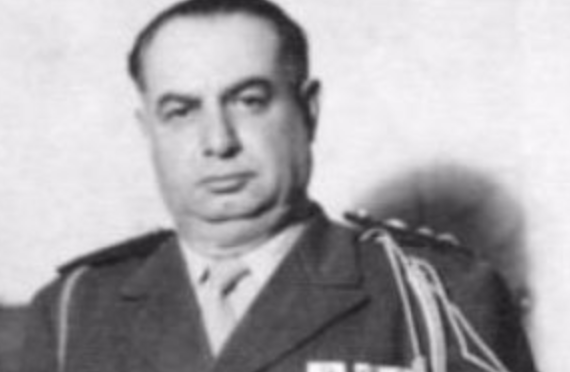
Meanwhile, some deputies organized a parliamentary campaign to cut the army’s budget and reduce its numbers. More than that, they were speaking in parliament about lowering officers’ salaries. This came at a time when resentment was growing among Syrian army officers, especially after the intense anger that followed the war in Palestine.
To be continued…