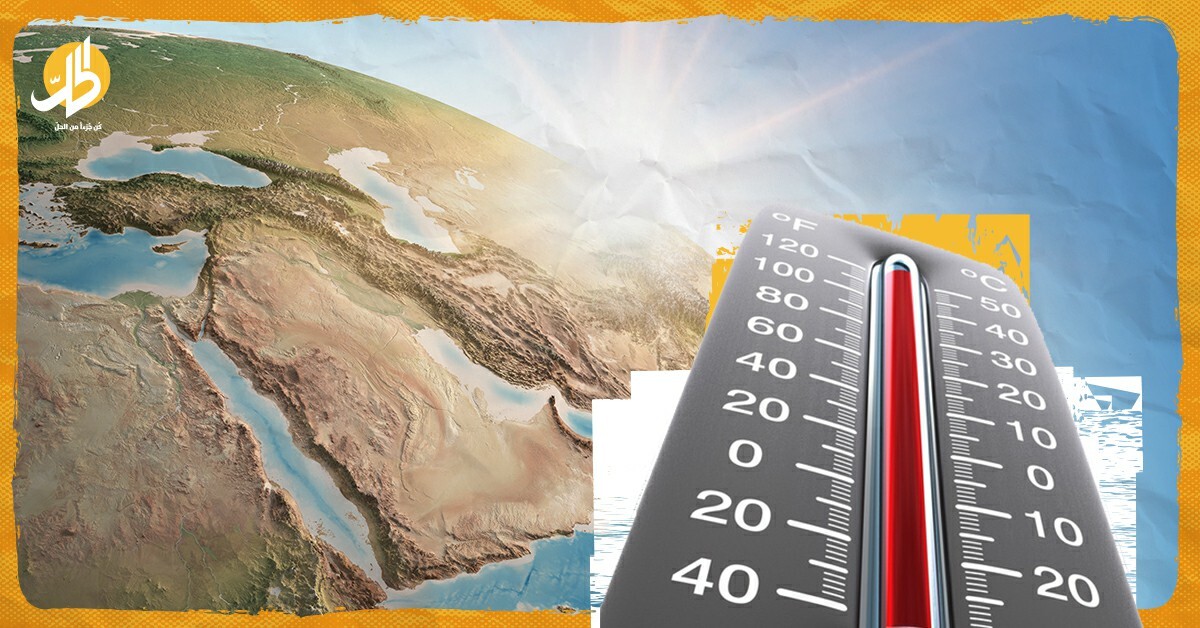
As the repercussions of climate change continue to affect the world and its people, humanity now faces a real threat from the changes the climate may bring in the future. Last Monday, United Nations High Commissioner for Human Rights Volker Türk warned that climate change points to a future that is “truly bleak and terrifying,” one in which hunger spreads and suffering prevails.
Türk therefore criticized world leaders for looking only at the short term when dealing with the climate crisis. During a discussion at the United Nations Human Rights Council on the right to food, he said that extreme climate events are destroying crops, livestock herds, and ecosystems, thereby undermining communities’ ability to rebuild and support themselves, and making that task impossible.
The UN High Commissioner for Human Rights added that more than 828 million people suffered from hunger in 2021, and that climate change is expected to put up to 80 million additional people at risk of hunger by the middle of this century, raising major concerns about the future of the world and humanity.
Climate Change Heralds a Bleak Future
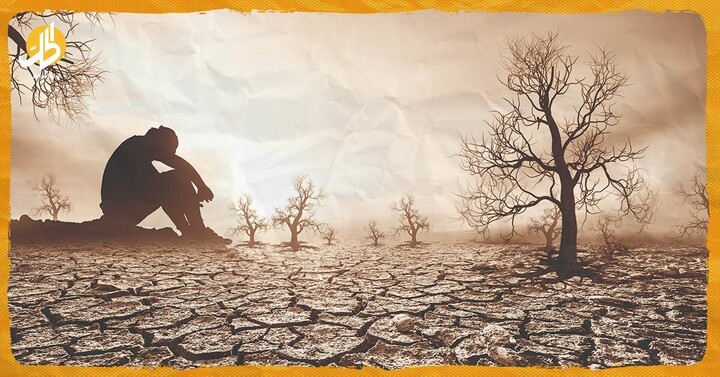
Türk described what is happening to the world because of climate change in deeply sorrowful terms, saying: “Our environment is burning. It is melting. It is flooding. And drying up. And dying… the future is bleak.” He stressed that addressing climate change is a human rights issue, and that there is still time to act—but that time is now.
He made these remarks during the 53rd session of the Human Rights Council, which is continuing until the 14th of this month. During the session, the UN official affirmed that we should not bequeath this future of hunger and suffering to our children and grandchildren—and that we do not have to. We, the generation that possesses the most powerful technological tools in history, have the ability to change it.
In 2015, the countries that signed the Paris climate agreement agreed to limit global warming to “well below” 2 degrees Celsius above the average levels recorded between 1850 and 1900, and to 1.5 degrees Celsius if possible.
In 2022, the average global temperature reached 1.15 degrees Celsius above the 1850–1900 average. According to current climate policy trends, the planet will be 2.8 degrees Celsius warmer by the end of the century, according to UN climate science assessments.
It is worth noting that climate change is making heatwaves hotter and more frequent across most regions of the Earth, as confirmed by the Intergovernmental Panel on Climate Change. Greenhouse gas emissions from human activities have raised the Earth’s temperature by about 1.2 degrees Celsius compared with the pre-industrial era, and this hotter baseline means that even higher temperatures can be reached during severe heatwaves.
In this regard, environmental expert Hassan Shakour said that in the absence of major structural reforms, it is difficult to succeed in pursuing a diverse, comprehensive, and resilient path to address climate challenges.
International Cooperation and a Clear Path to Address Climate Change
Speaking to Al-Hal Net, Shakour stressed that delaying the implementation of those reforms would hinder efforts to mitigate the negative physical and financial impacts of climate change and to meet growing investment needs, including in the water and electricity sectors. He explained that this requires intensive international cooperation through investments worth billions of dollars, with solutions implemented according to a clear and specific timetable, in order to bridge priority development gaps and embark on a path of inclusive green growth.
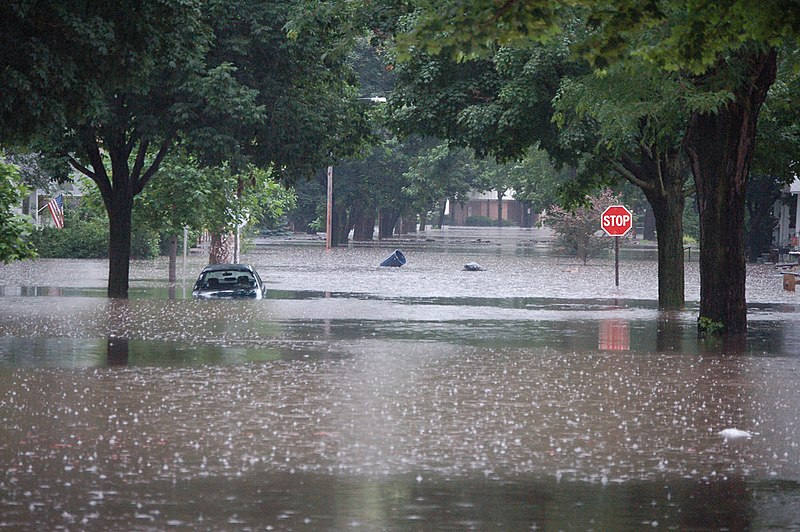
The environmental expert pointed out that on nearly every continent, the world is witnessing an increase in the frequency and severity of natural disasters because of climate change, as happened last year when fires swept the western United States, Greece, and Turkey; floods inundated areas in Germany and China; and record temperatures approaching 50 degrees Celsius were recorded in Canada—quite apart from what is happening in the Middle East.
He explained that the first steps in confronting the worsening and wider spread of these disasters require international and societal solidarity, working within a defined timeframe and specific plans to cut emissions by about 50 percent by 2030 so that warming remains below the 1.5 degrees Celsius threshold. He added, however, that this alone is not enough to avert the climate catastrophe that continues to threaten the planet; coal use must also be phased out.
Shakour called for stronger integration of the economic and social sciences and for decision-makers to be provided with information and knowledge to help them develop policies and make decisions. He pointed out that in some regions where temperatures exceed extremely high levels, human life may no longer be possible. He also explained that if sea levels rise by more than one meter in some coastal areas, protection through dams will no longer be possible, which requires serious and workable solutions.
It is worth noting that climate-related disasters caused the internal displacement of more than 23.7 million people in 2022, while many others were forced to move outside their countries. This figure is expected to rise sharply over the coming decades, with some specialized research centers estimating that the number of people displaced by climate factors could reach 1.2 billion by 2050.
This is in addition to the recording of nearly 670 cases of human trafficking in cyclone-affected areas, while government sources and non-governmental organizations reported directly that these cases increased after the disaster.
Climate Impacts on People
The links between climate change and human trafficking are increasing day by day. Recent reports indicate that cases of human trafficking are commonly being uncovered in the Sundarbans in Bangladesh, the world’s largest mangrove forest, which is particularly vulnerable to climate-related disasters, according to a report issued by a UN office.
Another example can be seen in Ghana, where floods and recurring droughts have driven large numbers of rural residents to move to cities, where they often found themselves compelled to work in low-income jobs and exposed to grave risks, in addition to victims of exploitation in conflict zones such as Ukraine.
According to the United Nations High Commissioner for Refugees, since 2010 around 21.5 million individuals each year have been forced to leave the areas where they live because of disasters linked to climate change, whether floods, extreme heat, storms, or other climate-related phenomena.
As evidence of this, the devastating cyclones that struck the Philippines and Bangladesh caused the displacement of large numbers of people. In addition, Typhoon Haiyan, which hit the Philippines in 2013, caused the deaths of nearly 6,300 people and displaced 4.4 million others.
Climate change also played a notable role in displacement between 2011 and 2015 because of severe drought linked to acute conflicts, especially in West Asia, which includes the Arab Mashreq, during the period between 2010 and 2012, when the events of the so-called Arab Spring unfolded and uprisings took place in Tunisia, Libya, Yemen, and Syria, leading to civil wars in the latter three countries.