
The global economic landscape is growing increasingly grim under the weight of the ongoing Strait of Hormuz crisis. The repercussions are no longer limited to disruptions in oil supplies; they have gone further, triggering a profound restructuring of global pricing mechanisms, with particular focus on what has come to be known as the “marine insurance shock,” which has become the strongest driver of rising prices worldwide.
According to a report by the Financial Times, oil alone is no longer the main determinant of international trade costs. Instead, the so-called “risk premium” has emerged as a decisive factor after insurance and reinsurance companies raised coverage premiums for ships transiting the Strait of Hormuz to unprecedented levels.
The Cost of Passage Becomes a Gamble
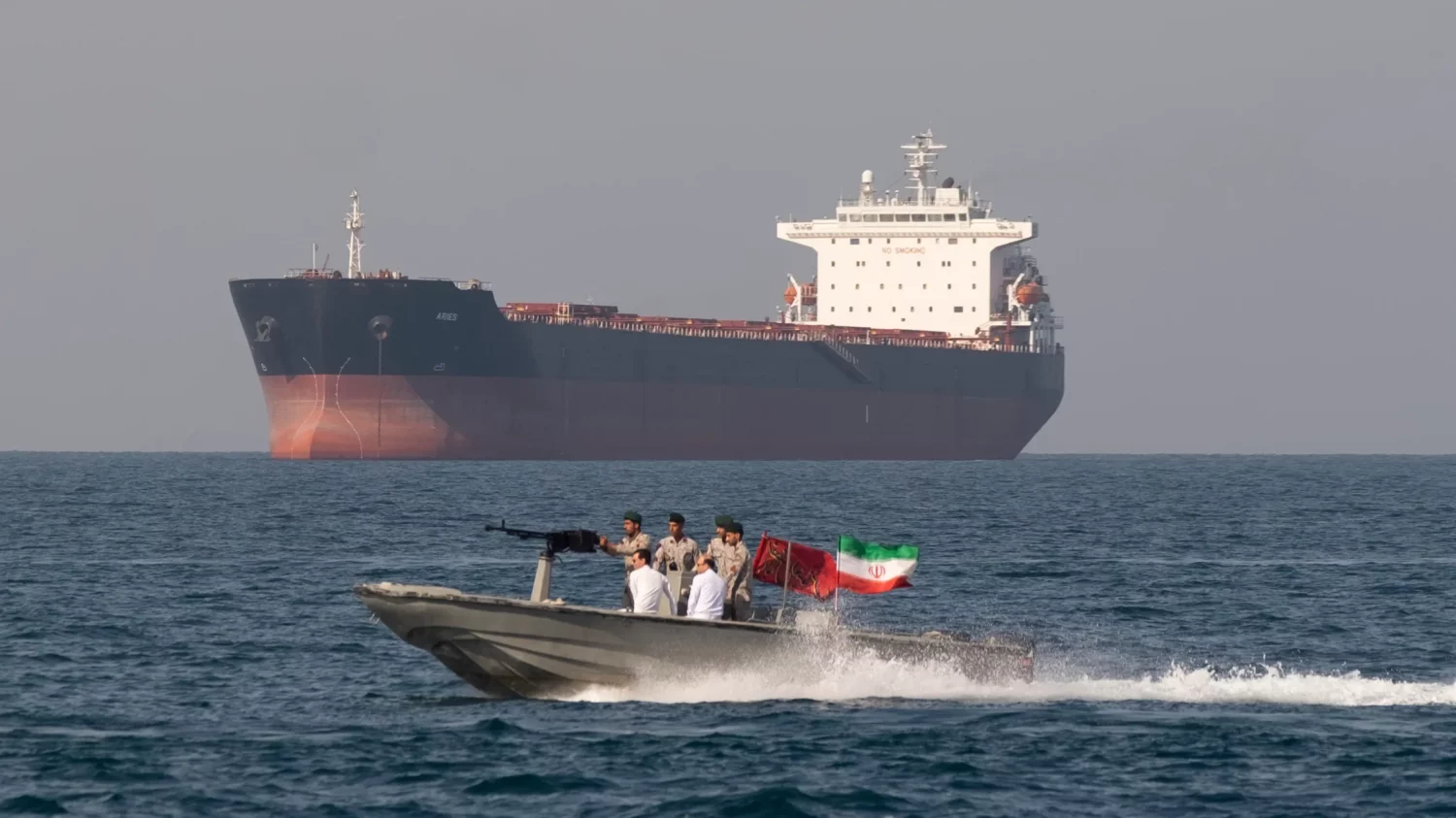
These increases, described as “astronomical,” have in some cases pushed insurance costs above the combined cost of fuel and freight, prompting a number of maritime transport companies to suspend operations or declare “force majeure.” In an unprecedented development reflecting the scale of the disruption that has hit the global trading system, passage through one of the world’s most important oil arteries is no longer merely a logistical decision, but a high-stakes financial gamble.
This shift did not remain confined to the energy sector; it quickly spread to the real economy. Analysts say the Hormuz shock has crossed oceans to hit consumer goods prices in Western markets, as higher shipping and insurance costs have been directly passed on to the prices of food and electronics in Europe and the United States.
This has triggered a new inflationary wave, placing central banks before a complex dilemma: raise interest rates to curb inflation, with the attendant risk of economic recession, or hold off and allow prices to keep rising, further squeezing consumers’ purchasing power. In either case, the cost of the crisis appears to extend beyond energy and into the foundations of global financial stability.
Reconfiguring Supply Chains
At the same time, the report highlights deep structural shifts in global supply chains, as major companies move to accelerate “nearshoring” strategies by relocating production lines to regions closer to consumer markets.
This shift reflects not only an attempt to reduce costs, but also a comprehensive reassessment of the risks of relying on sensitive maritime routes, especially in the Middle East and Asia. As dependence on this strategy grows, signs are emerging of a gradual end to the era of “low-cost globalization,” in favor of a more fragmented and more expensive model that is less vulnerable to geopolitical shocks.
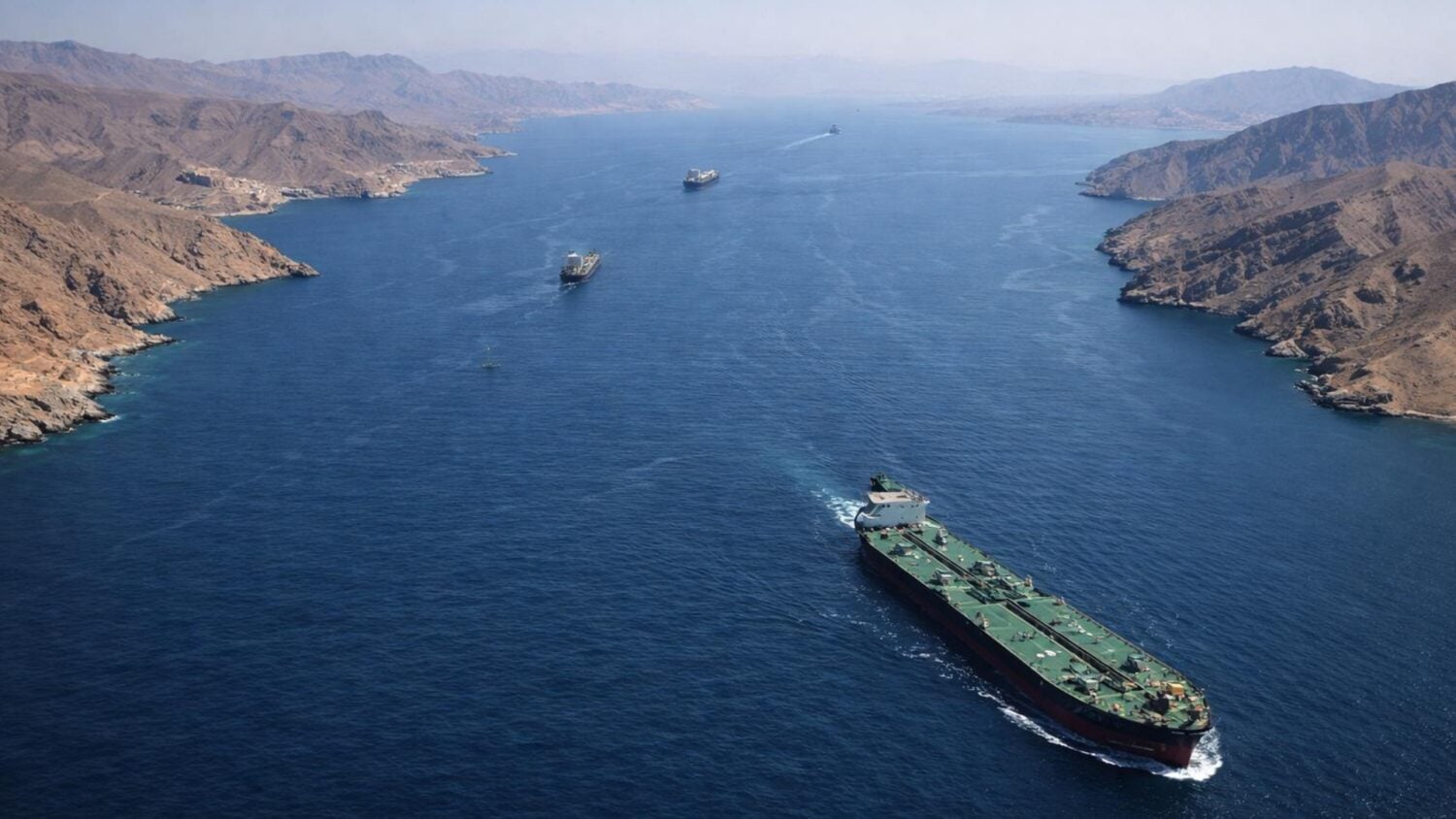
In a related development, the report reveals advanced negotiations between global shipping companies and international naval powers, led by the United States and Britain and involving Gulf states, to secure direct military protection for commercial vessels.
Discussions are underway on reviving the model of “protected naval convoys,” in a clear return to the tanker war scenarios of the 1980s, but with more advanced technological tools, including sophisticated surveillance systems and precise military escort. This trend reflects a shift in commercial shipping security from an implicit service to a direct cost factored into the final price of goods.
Alternative Energy as a Security Imperative
On another front, the crisis has driven a notable acceleration in Western investment in alternative energy. The shift toward sources such as renewable energy and green hydrogen is no longer merely an environmental choice, but a security necessity aimed at reducing dependence on oil and gas that pass through vulnerable geographic chokepoints.
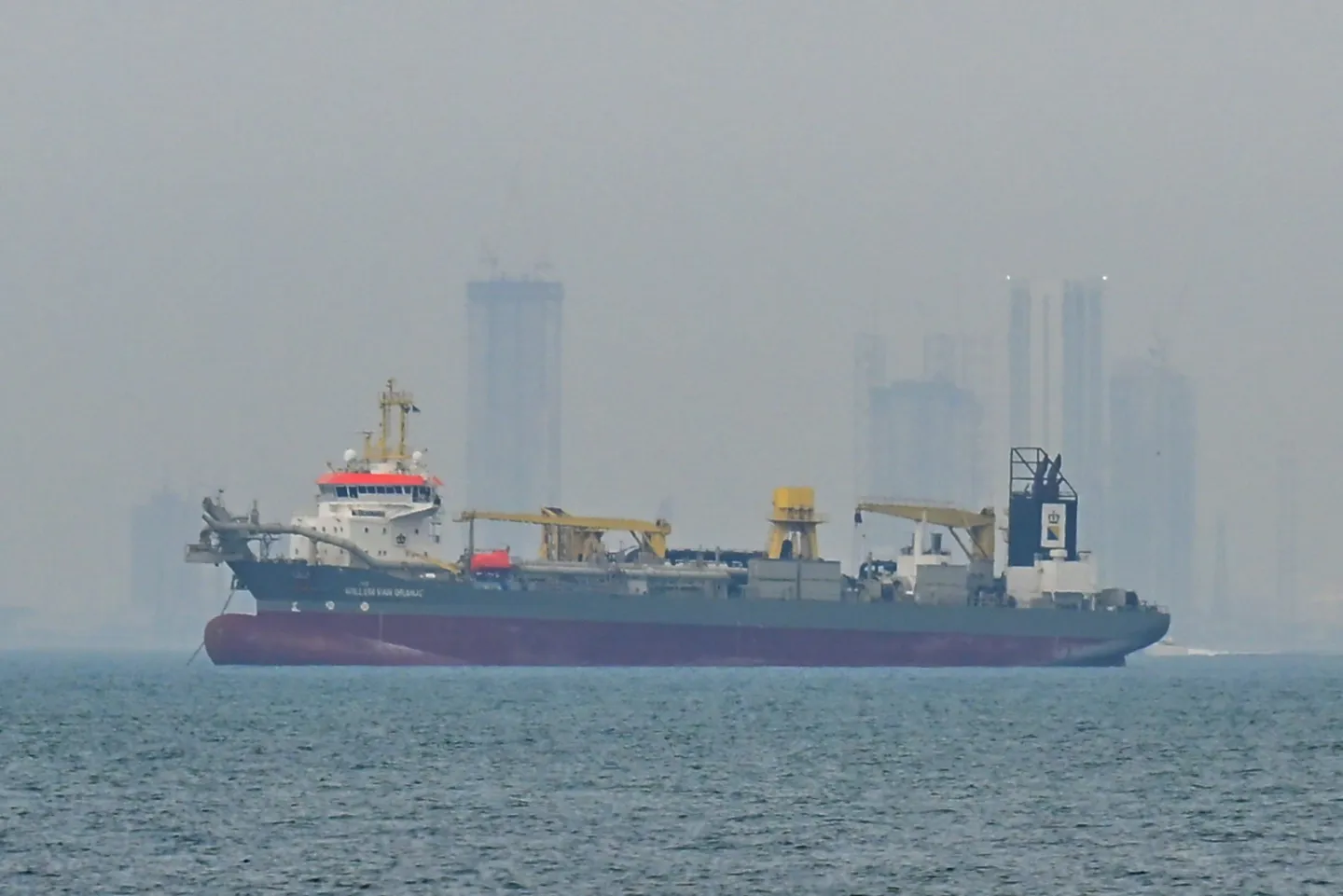
Data indicate that European and American governments have reordered their investment priorities, directing billions of dollars toward projects that reduce the energy system’s vulnerability to geopolitical tensions.
In sum, the Financial Times report shows that the Strait of Hormuz has shifted from being merely a strategic corridor for transporting oil to a pivotal point shaping global prices and the stability of financial markets. As the crisis continues, the repercussions are no longer confined to any one sector; they now affect the cost of living around the world, clearly indicating that the international economy has entered a new phase in which the concepts of risk, cost, and globalization itself are being redefined.
- How the Houthis Are Choking Yemen’s Peace Efforts with a Broad Escalation on the Ground
- Economy in the Wind: How Yemenis Are Paying the Price of Disrupted Shipping Routes
- Houthi Summer Centers: Factories for Indoctrination and Raising a “Scream” Generation
- The “Coalition of Necessity”: What Costa Rica’s Terrorism Designation of the Houthis Signifies
- Mojtaba Khamenei Runs Iran from His Bed as Photos Vanish and the Supreme Leader Makes a “Voice-Only” Appearance