In a new indication of the deepening cost-of-living crisis in Syria, a recent report issued by the United Nations Office for the Coordination of Humanitarian Affairs revealed a continued rise in living costs during February 2026, driven by the decline in the value of the local currency and mounting inflationary pressures. This reflects the widening gap between income and spending among the population and places further burdens on households already suffering from the erosion of their purchasing power.
According to the report, published on the ReliefWeb platform, the average cost of the small- and medium-sized basic food basket at the national level reached about 169 US dollars, equivalent to nearly 1.97 million Syrian pounds, marking an increase of 2 percent in dollar terms and 4 percent in pound terms compared with October 2025.
Inflation outpaces the exchange rate
This increase reflects the continuation of the upward price trend despite the slower pace of the currency’s deterioration, indicating that inflation in the Syrian market is no longer tied only to the exchange rate, but also to deeper factors related to weak supply and rising transport and production costs.
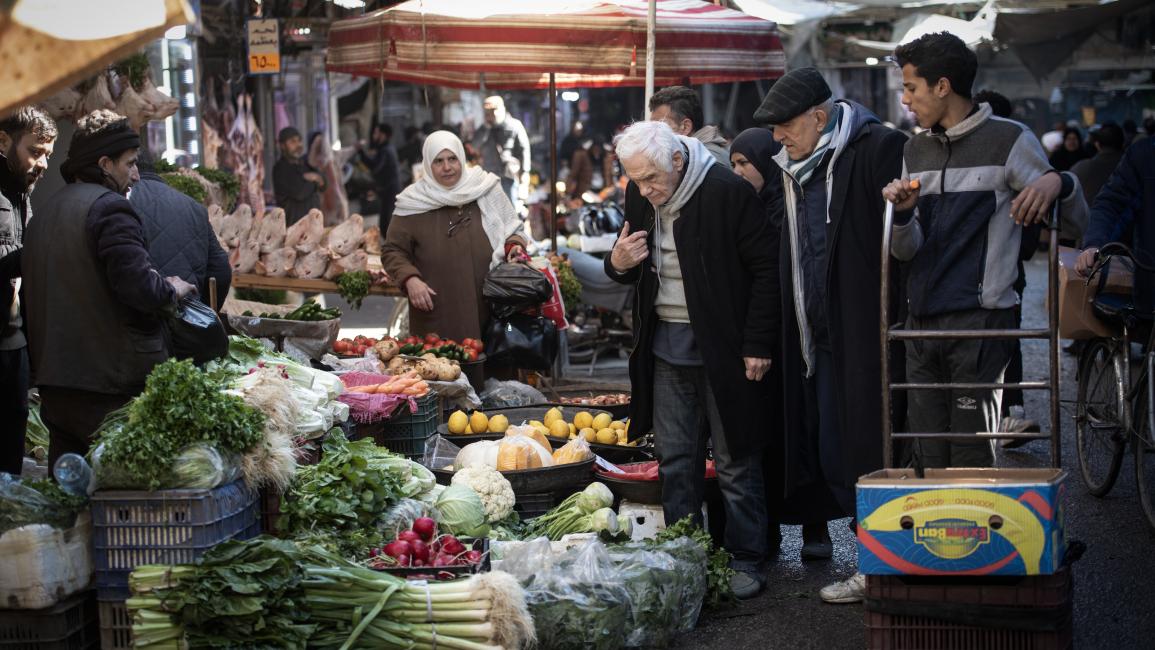
The data show clear geographic disparities in living costs, with the highest food basket cost recorded in the central and southern parts of the country at about 175 dollars, followed by northeastern Syria at an average of 172 dollars, while it fell to 156 dollars in the northwest. This disparity reflects differences in access to goods and supply costs from one area to another, amid continued economic fragmentation and multiple centers of influence.
Although the pace of the Syrian pound’s decline slowed relatively compared with the previous quarter, this did not translate into a tangible improvement in prices. The report confirms that underlying inflationary pressures remain the decisive factor driving up the cost of basic goods, reflecting a state of “structural inflation” linked to weak domestic production, increased reliance on imports, and fragile supply chains.
The growing burden of daily spending
In a related context, the cost of the mini food basket rose to about 123 dollars, an increase of 3 percent, while non-food hygiene items reached about 12 dollars, up 4 percent in dollar terms and 6 percent in pound terms, reflecting the widening scope of cost-of-living pressures to include various aspects of daily spending, not just food.
This simultaneous rise in basic and non-food goods points to a broad erosion of purchasing power and weakens households’ ability to meet their basic needs.
As for services, the data showed the widespread availability of water trucking services, with 85 percent of vendors confirming their availability, despite bottlenecks in some areas, particularly in Sweida governorate, which recorded the highest shortage rates.
Variation in services and energy
By contrast, markets in Hasakah saw a relative recovery after the disruptions recorded in January, reflecting differences in service stability from one area to another depending on security and logistical conditions.
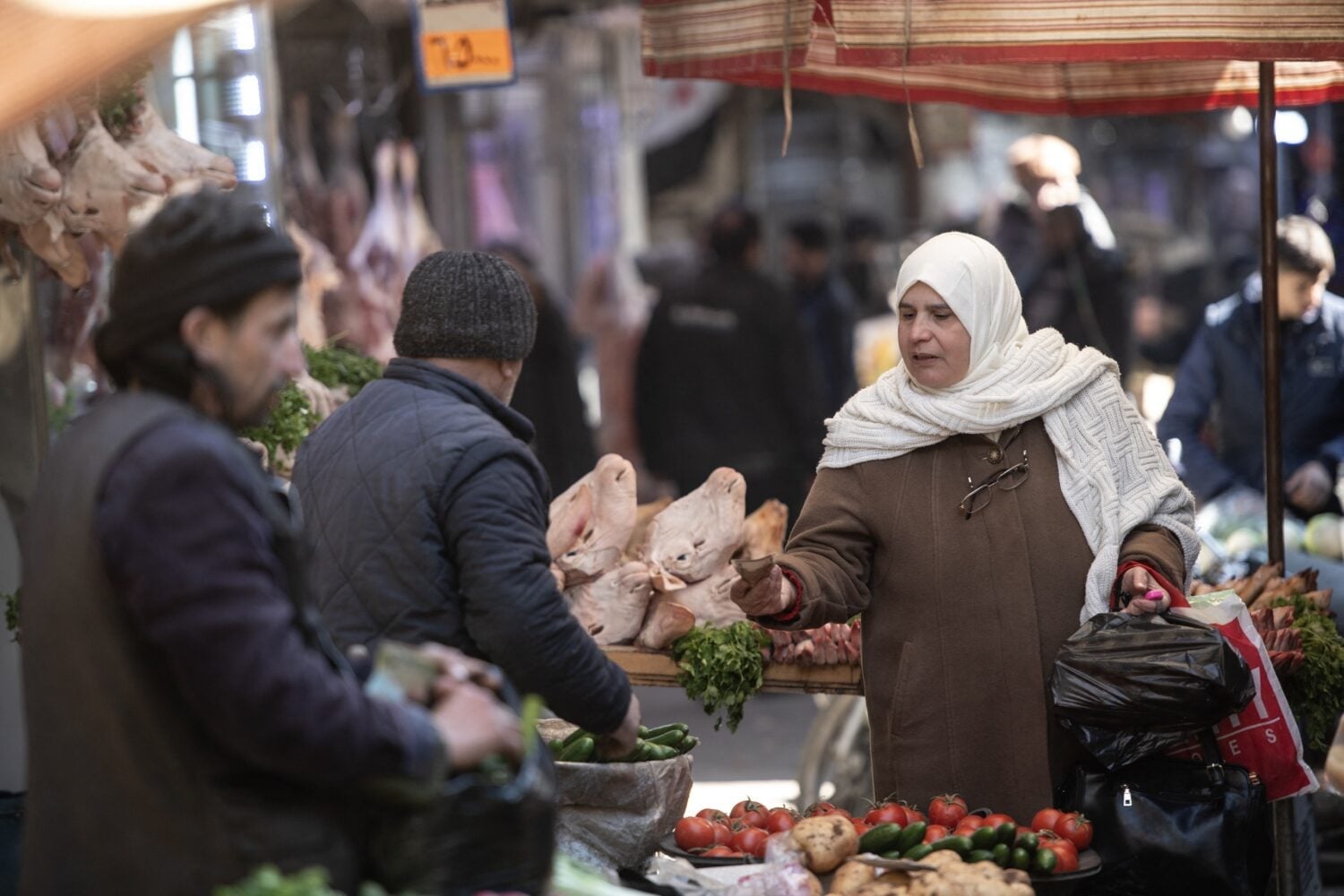
In the energy sector, the average cost of refilling a cooking gas cylinder (24 kg) fell to about 11 dollars, a decline of 8 percent, with it generally available in most areas, except northeastern Syria where supply restrictions remain in place.
Despite this relative decline, the report indicates that supply chains have not fully recovered, making any improvement in prices vulnerable to rapid fluctuations.
Markets under continued pressure
The report also recorded a decline in access to markets compared with October, due to rising financial barriers facing consumers, alongside operational challenges confronting shops, especially in the governorates of Hasakah, Aleppo, Raqqa, and Latakia, where markets are suffering simultaneously from weak demand and rising operating costs, compounding their fragility.
In sum, the report by the United Nations Office for the Coordination of Humanitarian Affairs concludes that most Syrian markets are still operating partially or under increasing pressure in an unstable economic environment, as they continue to provide basic goods and services, but at an irregular pace. This reflects growing fragility in their structure and confirms that the cost-of-living crisis in Syria has entered a more complex stage, going beyond mere price fluctuations to a deep imbalance in market equilibrium and purchasing power.
- How the Houthis Are Choking Yemen’s Peace Efforts with a Broad Escalation on the Ground
- Economy in the Wind: How Yemenis Are Paying the Price of Disrupted Shipping Routes
- Houthi Summer Centers: Factories for Indoctrination and Raising a “Scream” Generation
- The “Coalition of Necessity”: What Costa Rica’s Terrorism Designation of the Houthis Signifies
- Mojtaba Khamenei Runs Iran from His Bed as Photos Vanish and the Supreme Leader Makes a “Voice-Only” Appearance