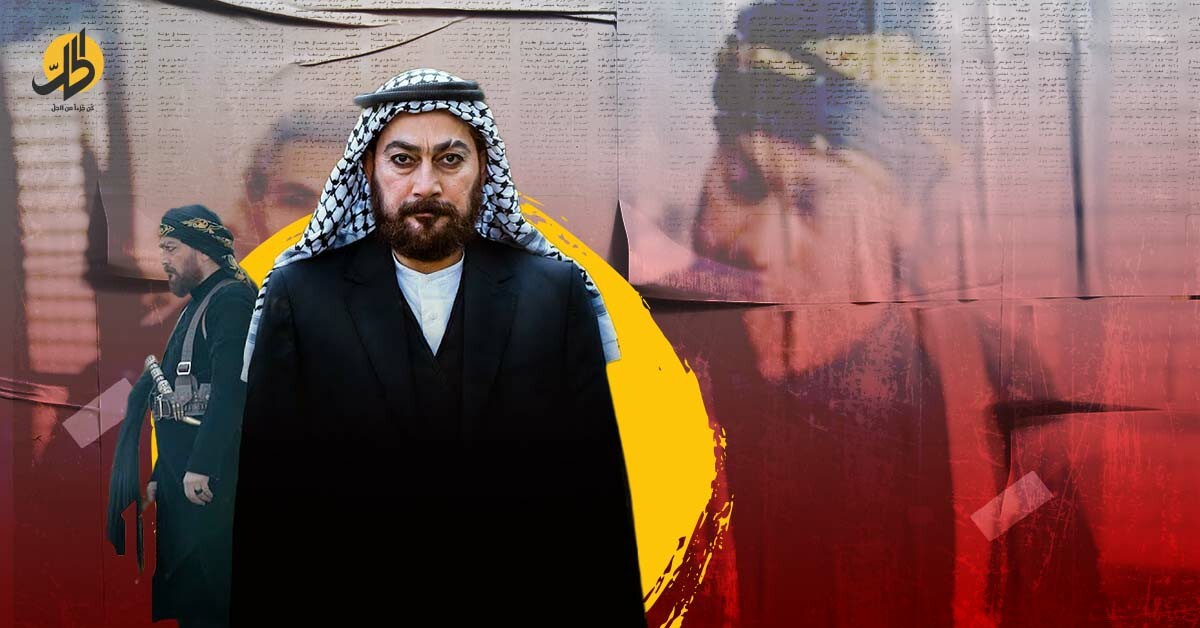
As has been the case with many dramatic works in post-2003 Iraq, the airing of a television series titled “Al-Kasser” in the first days of Ramadan sparked controversy across social media platforms. Critics said it infringed on the authentic traditions of the tribes in the country’s south, prompting official intervention and the suspension of the series after its third episode.
The series, which airs on the local station “U.TV,” revolves around tribal conflicts and revenge killings in southern Iraq. Some Iraqis considered it an insult to the norms and traditions of Iraqi tribes, denouncing dramatic portrayals that depict southern society as bloody and chaotic, dismissive of state law and in rebellion against it in order to secure gains and expand influence, amid calls to prosecute the series’ producers.
Amid a split between opponents and supporters of the series, some saw the backlash against it as illogical, especially since southern Iraq continually witnesses bloody tribal conflicts while a large portion of its population lives below the poverty line. Parliamentary, political, and tribal circles then joined the controversy surrounding the Ramadan series, with some lawmakers calling for its broadcast to be halted and for it to be banned from all available platforms.
The charge of “offense” and artistic works
From the first episode, Mahmoud al-Rubaie, spokesperson for the political office of the Asaib Ahl al-Haq movement led by Qais al-Khazali, which is designated as a terrorist organization, called for the management of the television channel airing the series to be held accountable. He said: “I had warned against offending our people in the south, and stressed the need to confront any dramatic work that could provoke Iraqis’ anger in this holy month.”
Read also: An epic American tour in Africa.. Will it curb the expansionist agenda of Russia and China?
But the management of “U.TV,” which airs the series, had previously said before its release that it contained nothing offensive, according to al-Rubaie, who added in a tweet on his official Twitter account: “Now the truth has become clear, so it must be stopped, its broadcast prevented, and the channel’s management held accountable.”
The charge of “offense” is often used as a pretext by parties seeking to exploit it for their political agendas, and it frequently stands as an obstacle to many artistic works, especially those dealing with political, social, and tribal issues. It is the same accusation al-Rubaie used against the series, which was broadcast by a television station affiliated with a political camp opposed to the one he belongs to.
Meanwhile, in the first parliamentary response, MP Mustafa Jabbar Sanad called on the Iraqi Communications and Media Commission to halt the airing of the series, arguing that its events are inaccurate, distort facts, and offend southern society and its tribes, according to what he posted on Twitter.
Immediately afterward, the Sadiqoun parliamentary bloc, affiliated with the Asaib Ahl al-Haq movement, addressed the Communications and Media Commission, calling for the enforcement of a decision to withdraw U.TV’s license following what it described as the “offense committed by the channel against the people of the south” through the series “Al-Kasser.”
U.TV’s position on the campaign against “Al-Kasser”
For its part, U.TV responded in a statement to the objections raised against “Al-Kasser,” starring Iraqi actor Ghalib Jawad. In the statement, reviewed by Al-Hal Net, the channel said the series falls within professional and dramatic objectives, and that any other motives exist “only in the minds of those claiming them.” The channel, owned by Khamis al-Khanjar, head of the Sunni political Sovereignty Alliance, also denounced what it described as a campaign being waged against it by certain parties and figures, stressing that the drama is professional in purpose and not intended to target any segment of Iraqi society.
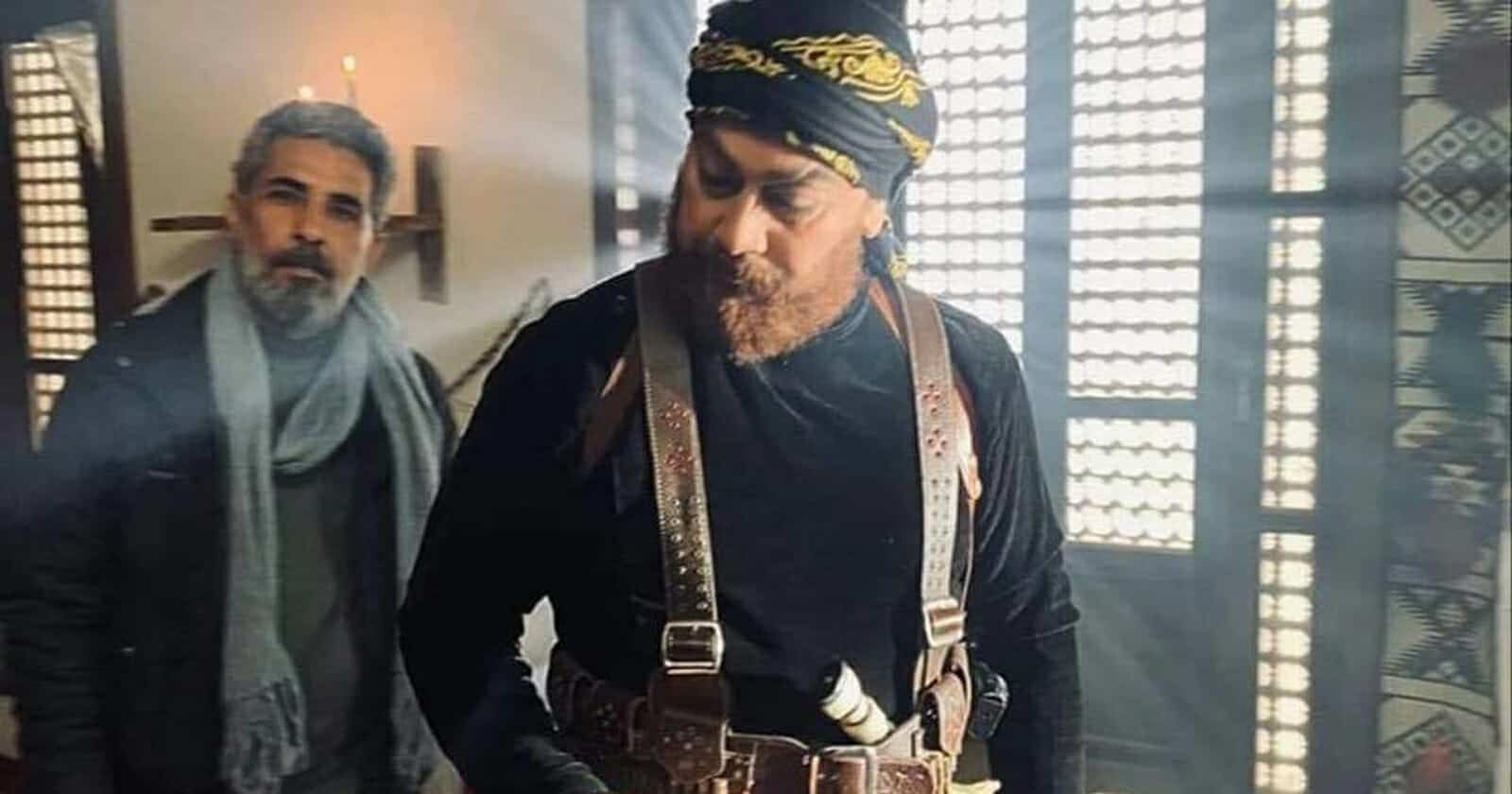
In a related context, some tribes in southern Iraq denounced the airing of the series, saying it aims to portray them as lawless and savage. They added that such works contribute to obscuring the facts and overlooking the honorable role of the authentic southern tribes. At the same time, some of Iraq’s most prominent artists tried to explain that artistic works do not necessarily target an idealized character, but rather critique a negative phenomenon that cannot be generalized.
However, the story did not end there. A delegation of tribal sheikhs from southern Iraq visited the headquarters of the Communications and Media Commission last Sunday to demand limits on what they described as abuses targeting the southern tribes through some channels.
After the uproar from politicians, members of parliament, and armed factions, the Communications and Media Commission decided to halt the broadcast of “Al-Kasser” and delete all of its episodes from social media platforms, warning the satellite channel that legal measures would be taken against it if it failed to comply.
The head of the Communications and Media Commission, Ali al-Muayyad, justified stopping “Al-Kasser” by citing parliamentary and tribal demands. Al-Muayyad said in a statement to the official Iraqi News Agency: “We informed U.TV of the need to stop the series ‘Al-Kasser’ after the many parliamentary and tribal demands received by the commission.”
Attempts to drag art into the sectarian sphere
But the Iraqi Artists Syndicate defended the series, saying there was nothing in it that offended the values of the Iraqi people. In a statement reviewed by Al-Hal Net, the syndicate said it had examined “Al-Kasser,” watched the first and second episodes, and found nothing that offended the values and traditions of the Iraqi people. It called on the objecting parties and the Communications and Media Commission to wait until after Eid al-Fitr, when the series ends, before settling the matter.

The head of the Iraqi Artists Syndicate, Jabbar Joudi, described the campaign against the Ramadan series “Al-Kasser” as unjustified, considering it a desperate attempt to drag art and artists into a “sectarian space” that neither they nor the country need. Joudi said in a press statement to Ultra Iraq on Wednesday that the decision to stop broadcasting “Al-Kasser” during Ramadan was unfair and had been categorically rejected by the syndicate, noting that the drama had received the syndicate’s approval before production and that all of its details had been reviewed.
Joudi stressed that the series contains no offense or transgression against any group, customs, or traditions anywhere in Iraq, not just in the south. He added that talks and communication are underway between the syndicate and the parties behind the suspension in order to settle the matter and end what he described as an unfair decision.
Joudi also called for these attacks on Ramadan productions to stop, and for restraint in reactions until each Ramadan work has been seen in full. He said events should not be prejudged every season or placed in a sectarian frame, noting that Iraqi viewers have discernment and are capable of evaluating works if they watch them through to the end, and adding that those swept up in such attacks are a minority and should not set the direction.
Moreover, the series’ lead actor, Ghalib Jawad, had said days before it aired that the work does not represent any side—southern, northern, or western—but is rather a non-realistic rural drama. However, many believe that the campaign launched by Asaib Ahl al-Haq aims to mobilize the public along sectarian and regional lines for political purposes.
- How the Houthis Are Choking Yemen’s Peace Efforts with a Broad Escalation on the Ground
- Economy in the Wind: How Yemenis Are Paying the Price of Disrupted Shipping Routes
- Houthi Summer Centers: Factories for Indoctrination and Raising a “Scream” Generation
- The “Coalition of Necessity”: What Costa Rica’s Terrorism Designation of the Houthis Signifies
- Mojtaba Khamenei Runs Iran from His Bed as Photos Vanish and the Supreme Leader Makes a “Voice-Only” Appearance