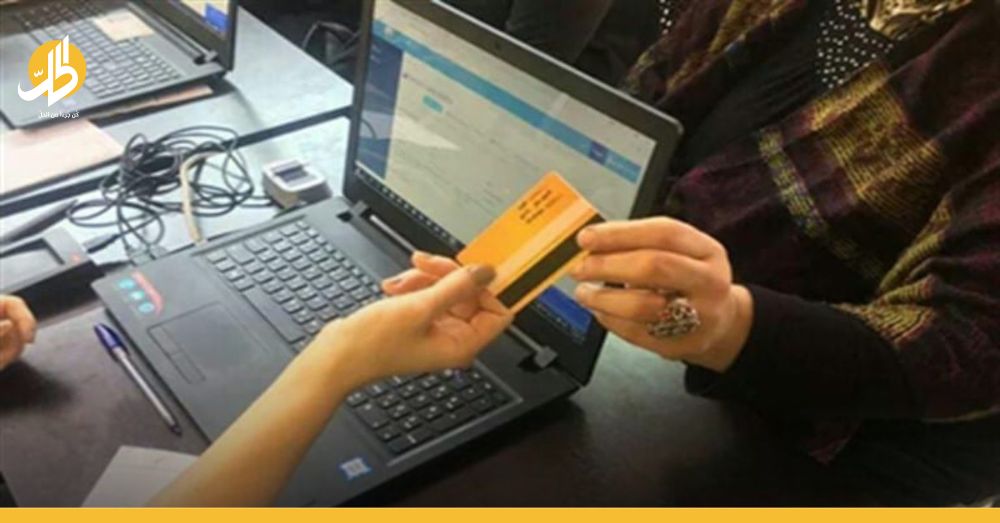
Mocking criticism has targeted the Syrian government over its claim that Syria has witnessed a major shift due to digital transformation that has affected all aspects of daily life, such as the issuance of the so-called “smart card” and the launch of a dedicated online platform for obtaining passports, a move that sparked widespread criticism on social media.
Some argued that these measures have worsened the country’s crises rather than solved them, asking how a government that cannot provide electricity can rely on electronic platforms that fundamentally depend on electricity and the internet, two services that are not easily available in Syria.
“Why Is There Electricity at All?”
In a discussion aired on “Al-Madina FM” yesterday, Monday, about the role and importance of digital transformation in Syria, software and information systems engineer Raed Qudmani said: “Syria began digital transformation several years ago and has made good progress. We can start with an example that all Syrians have experienced: the fuel crisis in the country about three years ago. There were long queues just to obtain fuel, but after the smart card was introduced, citizens came to know when their turn was and from which station they could get gasoline or diesel.”
The second example, according to Qudmani, is electronic payment, including bill payment and other services, in addition to completing procedures through the “Transactions” app in Syria. For example, a citizen can obtain various government documents through the app, such as a certified copy of a secondary school certificate, a real estate record extract, or other official papers.
But from the perspective of many Syrians, the engineer’s claim that things have become easier and smoother in Syria is incorrect, as the issuance of the “smart card” and other electronic platforms has only increased corruption and chaos in these matters.
Some commented sarcastically, saying: “This digital transformation is unbelievable. I felt like I was watching a program about Japan. They call organizing turns at gas stations an achievement… man, this is not even a problem in any other country in the world.” Others wrote: “For God’s sake, stop it—you don’t even believe this yourself. Now we wait 10 days at home to fill up with gasoline instead of waiting a few hours at the station. An e-government in a country with no electricity… I wish we could secure electricity before turning into Pokémon.”
A citizen from Damascus told Al-Hal Net that everything being said about digital transformation in Syria solving many problems and making daily life easier is untrue; on the contrary, things are becoming more complicated.
To obtain or complete any transaction at a government institution, one still has to appear in person and stand in line for a long time. The Syrian government’s electronic applications are almost nonfunctional and only work through certain people—brokers who take money to get things done, such as securing a booking on the electronic passport platform, the same citizen said in a phone call.
The citizen, who preferred not to be named, gave an example: “If I want to obtain an individual or family civil registry extract, I have to go to the civil registry office and wait for hours in line just to submit the request, and the employee won’t process it unless I give him a tip—that is, a bribe. Also, if I want to certify any paper at the Ministry of Foreign Affairs, it takes a full day or two, and there are queues there every day. If you are in a hurry because of travel or something else, there are always brokers there who can get it done for you, but you have to pay around 60,000 Syrian pounds per transaction, and sometimes more.”
Deepening the Passport Crisis
As for the passport platform, Qudmani said it had been useful, despite facing several problems that caused it to stop working at times. He added that adopting electronic and digital methods in government and other institutions also reduces financial and human costs, according to his remarks to the local radio station.
The electronic platform for obtaining passports and the “smart card” were introduced about three years ago. The card is issued to families in Syria and to some public and private service sectors in order to provide certain service and food items at subsidized government prices.
The government claims that its “smart card” project aims to automate the distribution of fuel derivatives and other goods and services to citizens in order to prevent smuggling and illicit trade in these materials. However, corruption and trafficking in these goods have become even more widespread than before the card was introduced.
On 24 November 2021, the “Syrian Ministry of Interior” announced in a statement published on its official website the launch of the “electronic queue” platform for booking an appointment to obtain a passport through a passport appointment-booking system, initially in Damascus and its countryside only. The ministry noted at the time that it would gradually expand the service to the rest of the immigration and passport branches across Syria.
Since the electronic platform was rolled out across all governorates, Syrians’ suffering has increased unprecedentedly, as it has become difficult to secure a slot on the platform or obtain an expedited Syrian passport. It is not possible to apply for a regular passport without first booking an appointment on the platform.

Citizens in Syria have continued to complain that they are unable to book appointments, as the link is opened only briefly and for a very limited number of slots. The cost of securing an appointment or obtaining an expedited passport has reached between 2 and 3 million Syrian pounds in Damascus, according to previous testimonies obtained by Al-Hal Net, amounts that amount to outright exploitation and extortion of citizens.
Underscoring the point that digital transformation has increased corruption in the country, Ziad al-Balkhi, director of measurement and quality at the “Ministry of Tourism,” said recently in remarks to the local newspaper “Tishreen” that the work of institutions and travel and tourism agencies involves issuing travel tickets inside and outside Syria and facilitating entry visas to destination countries as a service complementary to the tourist trip, especially when the issuance of such visas or equivalent documents is carried out through electronic platforms.
In the course of this work, problems arise due to the differing nature of the tickets issued—some are changeable and others are not—as well as because some agencies process entry visas for different countries whose conditions and requirements change, resulting in problems such as visa refusals.
But according to the local website “Athr Press,” a number of tourism offices in Damascus had previously been shut down by the “Ministry of Tourism” on charges of fraud, swindling, and taking money unlawfully; after closing those offices, the ministry returned the sums to those entitled to them in accordance with the law.
“Goodbye to Electricity”
The sarcasm did not stop there, but extended to the reality of electricity and renewable energy, as Syrians increasingly turn to solar panels. A new investment license to manufacture solar panels, granted by the “Syrian Investment Authority” in the industrial city of Adra at an estimated cost of more than 81 billion Syrian pounds and with a production capacity of 150,000 panels annually, sparked ridicule on social media.
One commenter, sharply criticizing the government, said: “Instead of spending 81 billion to manufacture solar panels, why don’t you rehabilitate the electricity generation plants that you always say are out of service? Or do you want to promote the solar panel market the same way you previously promoted the generator market? How can this miserable citizen even afford food, let alone install solar panels? How long will you keep serving your own interests at the expense of this citizen—the one whom God did not grant the chance to leave this country, which has become an exile for all its people—while only officials and their children, as if they descended from the sky by parachute, have the right to enjoy every means of comfort and luxury, and the citizen who sacrificed everything for this country is deprived of the most basic human rights?”
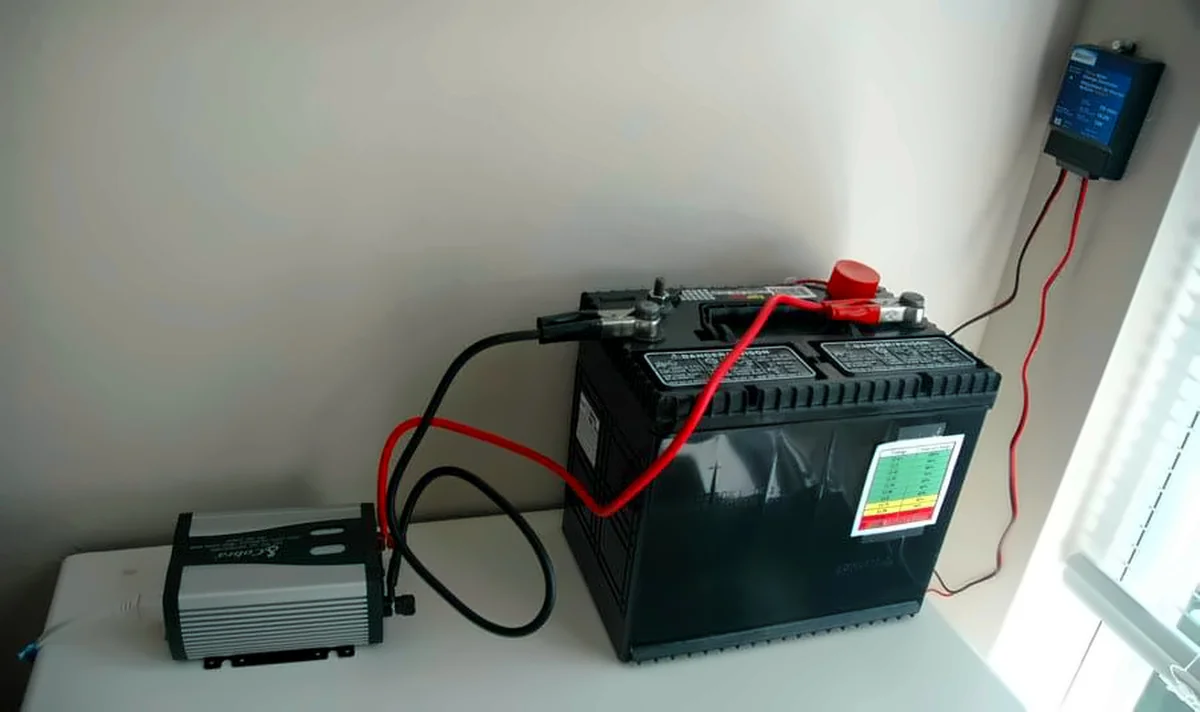
Others said: “It will cost more than the Chinese panel. Goodbye to electricity—electricity will disappear altogether. God protect you, sharks of the country, land of wonders,” according to a report by the local radio station “Ninar FM” yesterday, Monday.
Another report published yesterday by the website “Global News” said that the talk about the “ampere” system and renewable energy being behind the long electricity cuts is merely part of promoting the renewable energy strategy set by the “Syrian Ministry of Electricity” through 2030.
A source in the “Ministry of Electricity” told the local website that claims circulating on Facebook—that power cuts are intended to support implementation of the ministry’s renewable energy strategy through 2030—are merely social media talk, and that the long outages are actually related to the quantities of fuel supplied to the ministry. All power plants are fully ready, but “Just give me gas to run them.”
The Ministry of Electricity can barely provide power for one hour, and sometimes two, in exchange for four or five hours of outage, blaming the situation on insufficient fuel supplies to generating stations.
- How the Houthis Are Choking Yemen’s Peace Efforts with a Broad Escalation on the Ground
- Economy in the Wind: How Yemenis Are Paying the Price of Disrupted Shipping Routes
- Houthi Summer Centers: Factories for Indoctrination and Raising a “Scream” Generation
- The “Coalition of Necessity”: What Costa Rica’s Terrorism Designation of the Houthis Signifies
- Mojtaba Khamenei Runs Iran from His Bed as Photos Vanish and the Supreme Leader Makes a “Voice-Only” Appearance