
In a notable shift in energy export routes, Iraq has resumed overland fuel transport through Syria after a hiatus that lasted decades, driven by regional turmoil that has constrained maritime shipping after Iran closed the Strait of Hormuz to commercial traffic.
This step comes amid declining production due to full storage facilities, forcing Baghdad to find alternative routes. Recently signed contracts reveal a rapid attempt to offload the surplus, alongside strategic moves to redraw the export map in the future, according to a Reuters report on Wednesday.
Overland exports as a stopgap measure
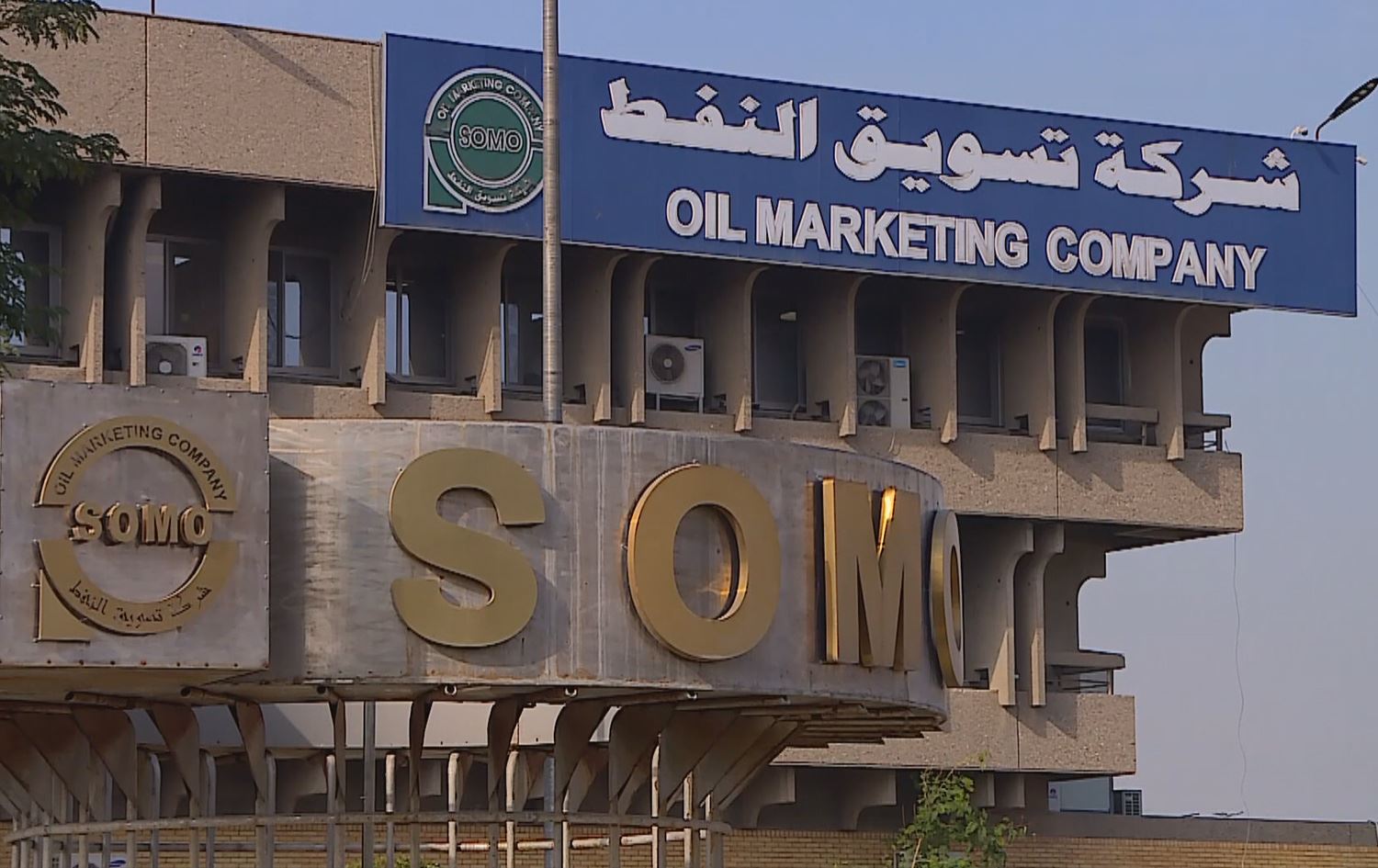
The Iraqi state oil marketer SOMO announced on March 31 that it had finalized contracts to supply about 650,000 metric tons of fuel oil per month from April through June, to be transported overland through Syrian territory, according to a document seen by Reuters and Iraqi energy sector officials.
According to informed sources, this route has not been used for decades, but the “end of the civil war in Syria,” along with the repercussions of the war with Iran and the unprecedented disruptions that accompanied it, pushed Baghdad to adopt it as a practical option despite its higher cost compared with maritime shipping.
Two sources said the first truck convoys had already set off on Tuesday, indicating that the contracts entered into force quickly. These arrangements came in the wake of the repercussions of the US-Israeli war on the Iranian regime, which led Tehran to close the Strait of Hormuz, restricting oil exports in the region. SOMO did not respond to Reuters’ request for official comment on these developments.
Production decline and storage pressures
The shift to overland transport coincided with a sharp drop in production, as three Iraqi energy sector officials confirmed that output from the main fields in southern Iraq fell by about 80% to around 800,000 barrels per day, as a result of full storage tanks and difficulties in clearing shipments. They preferred not to disclose their identities because they were not authorized to speak publicly.
Before this crisis, Iraq had relied primarily on maritime exports of fuel oil through the port of Khor al-Zubair in the Gulf, taking advantage of shipping lines to global markets.
But the current restrictions have forced the adoption of more complex and costly logistical options, such as overland transport, in the absence of immediate alternatives.
The SOMO document shows the contract details: two traders received allocations of 720,000 metric tons each of high-sulfur fuel oil over three months, with balanced supply from northern, central, and southern refineries, at discounts ranging between $160 and $170 per ton.
A third trader also contracted to export 401,000 tons at a discount of about $160, while the fourth trader was awarded a smaller contract of 90,000 tons at a discount of around $155 per ton.
Redrawing export routes
Alongside temporary solutions, Baghdad has revealed strategic directions for rebuilding its export infrastructure. In mid-March, Oil Minister Hayan Abdul Ghani explained that talks with the Syrian side were moving toward establishing a new, integrated pipeline reaching the port of Baniyas on the Mediterranean, instead of rehabilitating the old pipeline between Kirkuk and Baniyas.
The minister indicated that preliminary studies and joint assessments previously conducted showed that building a new line represents the most viable option, given the technical challenges facing the current infrastructure.
He also pointed out that the government is simultaneously working on a pipeline project extending from Basra to Haditha, which is currently being implemented as a first phase within a broader plan aimed at diversifying export outlets, including the Turkish port of Ceyhan in addition to Syria’s Baniyas.
These moves come amid growing recognition that the war on the Iranian regime may impose a long-term reality requiring a comprehensive restructuring of Iraqi oil export routes. Indicators are mounting that Tehran’s behavior is pushing toward further regional escalation, with continued threats to international navigation and an expansion of the confrontation through its allies in the region.
- How the Houthis Are Choking Yemen’s Peace Efforts with a Broad Escalation on the Ground
- Economy in the Wind: How Yemenis Are Paying the Price of Disrupted Shipping Routes
- Houthi Summer Centers: Factories for Indoctrination and Raising a “Scream” Generation
- The “Coalition of Necessity”: What Costa Rica’s Terrorism Designation of the Houthis Signifies
- Mojtaba Khamenei Runs Iran from His Bed as Photos Vanish and the Supreme Leader Makes a “Voice-Only” Appearance